Tile Roof Replacement in Stone Oak | Wannamaker
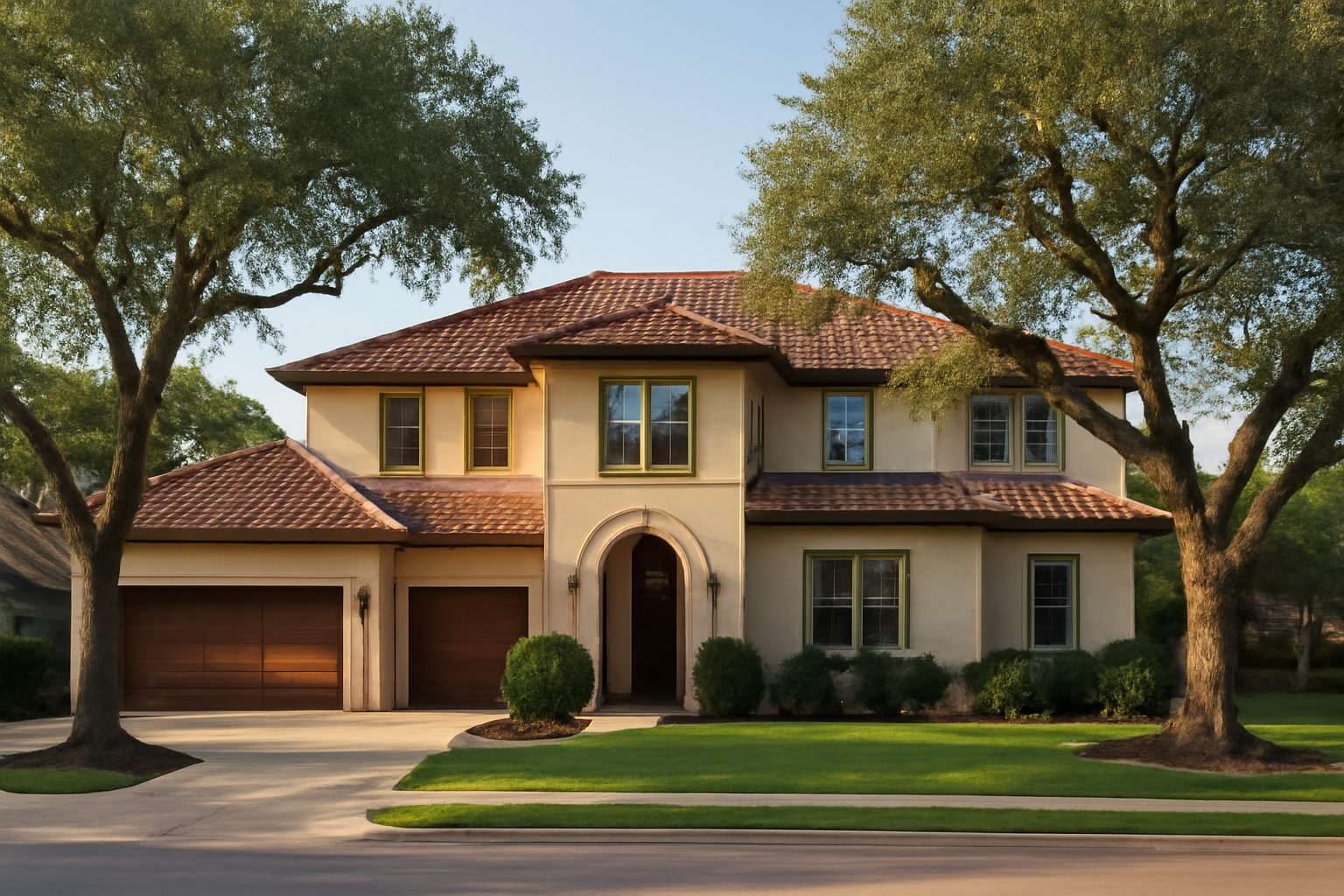
Stone Oak is one of the most recognizable neighborhoods in north San Antonio — and a big part of that look comes from the tile roofs. Whether it's concrete tile, clay barrel, or flat profile, these roofs define the streetscape. But tile doesn't last forever, especially in a climate that dishes out 100°F summers, sudden hailstorms, and occasional freezes. If your Stone Oak tile roof is approaching 20-30 years old, or you've noticed cracked tiles, slipping mortar, or leaks after storms, replacement is probably on the horizon. Here's what you need to know before you sign anything.
Why Stone Oak Tile Roofs Need Special Attention
Most Stone Oak subdivisions were built between the mid-1990s and mid-2010s. That means a significant number of original tile roofs are either at or past their expected service life. Concrete tile — the most common type in the area — typically lasts 25-40 years depending on quality and maintenance. But the tile itself often isn't the problem. What fails first is the underlayment beneath it.
The underlayment is a waterproof membrane between the tile and the roof deck. In many Stone Oak homes built in the late '90s and early 2000s, builders used a single layer of 30-lb felt. That material degrades faster than the tile above it, which means your roof can look fine from the curb while water is already getting past the first line of defense. We've pulled tile off Stone Oak homes that looked perfectly intact on top — only to find the underlayment crumbling underneath.
HOA Rules You Can't Ignore
Almost every Stone Oak subdivision has an HOA with architectural guidelines, and those guidelines almost always dictate what goes on your roof. Before you start getting quotes, pull out your CC&Rs or call your HOA's management company. Here's what typically gets regulated:
- Tile type and profile. Many HOAs require you to match the original tile style — flat, S-profile, or barrel. Switching from concrete tile to asphalt shingle is almost never approved, even if it would save you thousands.
- Color matching. Some associations require an exact color match to adjacent homes or the original spec. Get this clarified before ordering materials — tile manufacturers discontinue colors regularly, and a close match might require a variance approval.
- Contractor requirements. A few Stone Oak HOAs require proof of licensing and insurance from your roofer before work starts. That's actually a good thing — it weeds out the storm chasers who flood the area after every hail event.
We handle HOA submittals for Stone Oak roofing projects regularly. It's not complicated, but skipping this step can result in fines or being forced to redo work — and we've seen both happen.
What a Tile Roof Replacement Actually Involves
Tile replacement isn't like swapping out shingles. It's heavier, slower, and more labor-intensive. Here's the typical process for a Stone Oak home:
- Full tear-off. Every tile comes off, along with the old battens, underlayment, and flashing. We inspect the roof deck for rot, ant damage, and any structural issues. In Stone Oak, we occasionally find decking damage around satellite dish mounts and old solar panel brackets.
- Deck repair. Any compromised plywood gets replaced. This is non-negotiable — you can't put a 50-year tile system on rotted wood.
- Upgraded underlayment. We strongly recommend a high-temperature synthetic underlayment rated for tile applications. This is the single biggest upgrade you can make. It costs a few hundred dollars more than felt and can outlast the tile itself.
- New battens and flashing. Battens get replaced with pressure-treated wood or composite. All valleys, walls, and penetrations get new flashing — we use galvanized or painted steel, never aluminum against concrete tile.
- Tile installation. Tiles are set on battens with mechanical fasteners (not just gravity-set, which was common in older installs). This makes the roof far more resistant to wind uplift during San Antonio's spring and fall storms.
Cost Expectations for Stone Oak
Tile roof replacement in Stone Oak typically runs $15,000-$35,000+ depending on roof size, tile selection, and complexity. Two-story homes with steep pitches, multiple valleys, and hip-heavy designs cost more — and Stone Oak has a lot of those floor plans. Concrete tile is generally less expensive than clay, and flat-profile tile costs less than barrel or S-tile due to easier installation.
For a detailed breakdown of what drives pricing, check out our guide on roof replacement cost in the San Antonio area. The short version: labor and underlayment quality matter more than tile brand.
Should You Consider a Different Roof Type?
If your HOA allows it — and that's a big if — some Stone Oak homeowners explore metal roofing as an alternative. Standing seam metal can mimic the look of tile from the street, lasts 40-60 years, and handles hail significantly better. It's also lighter, which reduces structural load on older framing. But the upfront cost is comparable to or higher than quality tile roofing, and many Stone Oak HOAs simply won't approve it.
If you're going back with tile — which most Stone Oak homeowners do — focus your budget on underlayment and installation quality rather than the most expensive tile on the market. A mid-grade concrete tile installed correctly with premium underlayment will outperform a premium tile set on cheap felt every single time.
Insurance and Hail Damage Claims
Stone Oak sits in one of San Antonio's most hail-prone corridors. If your tile roof has sustained hail damage, your homeowner's insurance may cover part or all of the replacement — minus your deductible, which in this area is often 1-2% of dwelling coverage. We work with all major Texas carriers and can help you navigate the insurance claim process from inspection through final payment.
One word of caution: some carriers are non-renewing tile roof policies in hail-prone ZIP codes unless the roof is replaced with impact-resistant materials. If you're getting a new tile roof, ask your agent whether an IR-rated tile affects your premium or insurability. It's worth the conversation before you commit to a specific product.
Ready to Talk About Your Stone Oak Tile Roof?
We've replaced hundreds of tile roofs across north San Antonio — from Hardy Oak to Stone Oak Ranch and everywhere in between. Schedule a free roof inspection and we'll give you an honest assessment: what shape your underlayment is really in, what your HOA requires, and what a quality replacement will actually cost. No pressure, no storm-chaser tactics — just a straight answer from a local contractor who's been here since 2012.
Choosing the Right Contractor in Stone Oak
Tile work requires specific experience. Not every roofer who can install shingles can properly set tile — the weight distribution, batten spacing, and flashing details are completely different. When you're vetting contractors for your Stone Oak roof replacement, ask how many tile roofs they've done in the last 12 months. Ask to see photos. Ask about their underlayment spec. If they can't answer those questions confidently, keep looking.
Your tile roof is the most visible feature of your home and one of the most expensive systems to replace. Get it right the first time, and you won't think about it again for decades. Cut corners, and you'll be dealing with leaks, HOA complaints, and insurance headaches for years to come.