Solar Panels & Your Roof Warranty | Wannamaker
We get calls every month from San Antonio homeowners who just had solar panels installed — and then discovered their roof warranty is void. The solar company didn't mention it. The roofing manufacturer's fine print told a different story. And now they're staring at a roof that still has 15 years of coverage on paper but zero years in practice. If you're considering solar, here's everything you need to understand about how panels interact with your roofing warranty — before the installers show up with their drill bits.
How Solar Panel Installation Actually Affects Your Roof
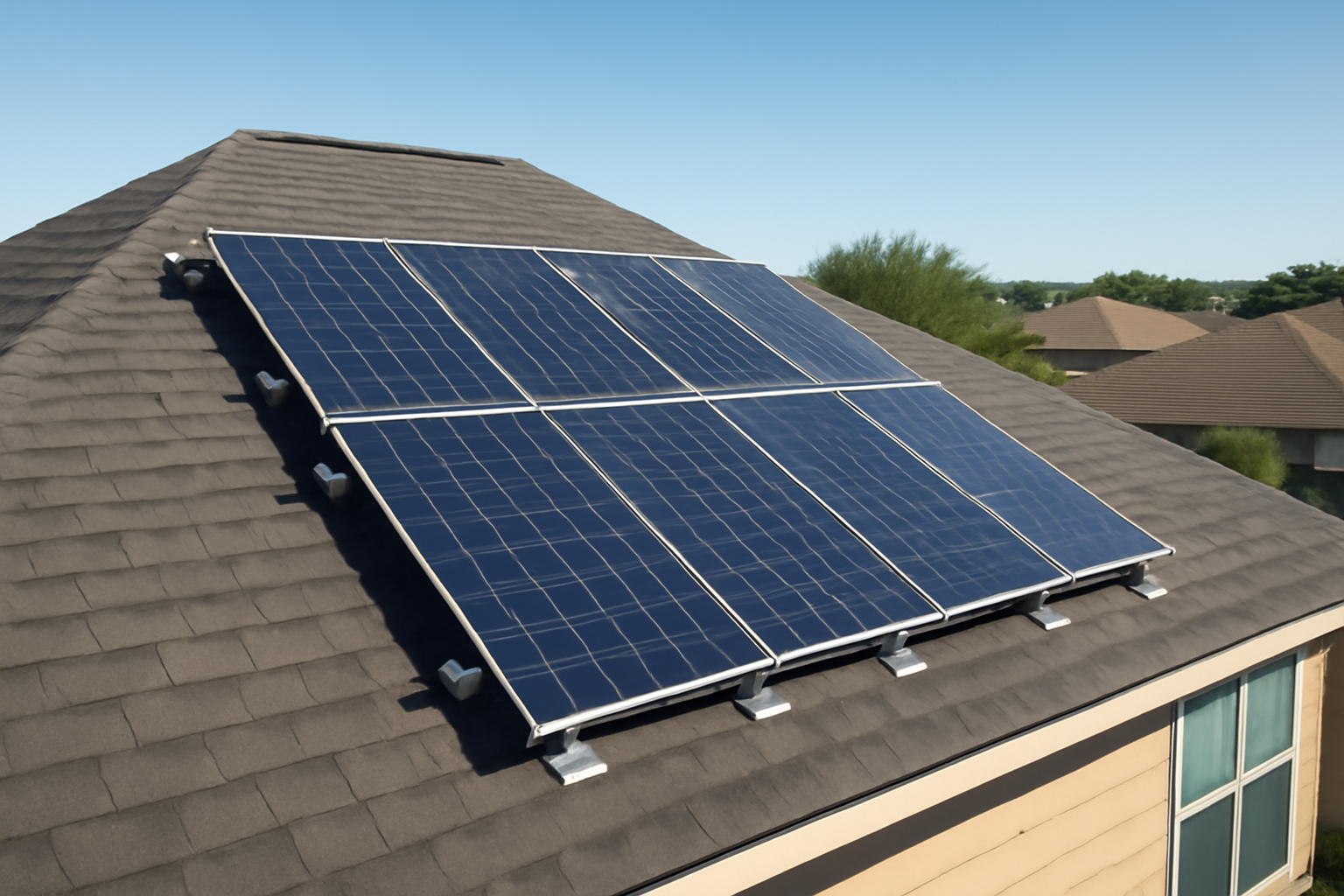
Most residential solar installations in the San Antonio market use a rail-mounted, roof-penetrating system. That means the installers drill lag bolts through your roofing material and into the roof deck or rafters, then seal around the penetrations with flashing and sealant. The panels sit on rails attached to those mounts, typically raised a few inches above the roof surface.
The problem isn't the panels themselves — it's the penetrations. Every hole drilled through your asphalt shingle or metal roofing system is a potential leak point. And from a warranty standpoint, those penetrations were made by someone other than the original roofing contractor — which is where things get complicated fast.
Manufacturer Warranties vs. Workmanship Warranties
You likely have two warranties on your roof, and solar panels can affect both differently:
- Manufacturer's material warranty. This covers defects in the shingles, tiles, or metal panels themselves — cracking, granule loss, delamination. Most major manufacturers (GAF, Owens Corning, CertainTeed) include language that voids coverage if the roof system is altered or penetrated by a third party without authorization. Some have specific solar addendums; many do not.
- Contractor workmanship warranty. This is the guarantee your roofer provided on the installation itself — proper flashing, underlayment, nail patterns. If a solar installer modifies the work your roofer did, your roofer has every right to say "that's no longer our responsibility." And they will.
The distinction matters because a leak caused by a solar mount penetration isn't a "material defect" — it's damage from installation. Neither warranty is likely to cover it unless you've taken specific steps beforehand.
What Most Solar Companies Tell You (and What They Leave Out)
Most solar installers in the San Antonio and Hill Country market will tell you some version of: "Don't worry, we warranty our roof penetrations for 10 years." That sounds reassuring until you think about it for 30 seconds.
First, a 10-year penetration warranty from a solar company doesn't replace a 25- or 50-year manufacturer warranty on your roofing materials. Second, solar companies come and go. The company that installed your panels in 2024 may not exist in 2030. Third, their warranty typically only covers the specific penetration points — not any secondary damage caused by water intrusion through those points, like rotted decking or damaged insulation.
We've seen homeowners in Stone Oak and Alamo Heights discover water damage under solar arrays that went undetected for years because the panels literally covered the leak. By the time anyone noticed, the roof repair bill dwarfed whatever they'd saved on electricity.
Steps to Protect Your Warranty Before Going Solar
If you're committed to solar — and in San Antonio's climate, it can genuinely make financial sense — here's how to protect yourself:
1. Get a Roof Inspection First
Before any solar work begins, get a thorough roof inspection from a licensed roofer — not the solar company. You need to know the exact condition of your roof, remaining useful life, and whether the structure can handle the added load (typically 3-5 pounds per square foot for most residential systems). If your roof has fewer than 10-15 years of life remaining, you should consider roof replacement before panel installation. Removing and reinstalling solar panels later for a re-roof typically costs $3,000-$8,000 in our market.
2. Contact Your Roofing Manufacturer
Call the manufacturer directly and ask about their solar policy. GAF, for example, has a process where approved solar installers can maintain the warranty — but only if they use specific mounting systems and follow documented procedures. Get any approval in writing. If the manufacturer says solar voids the warranty, you at least know the risk you're accepting.
3. Talk to Your Original Roofer
Your roofing contractor's workmanship warranty will almost certainly have language about third-party modifications. Some roofers will work with your solar installer to maintain coverage — others won't. Either way, have the conversation before the solar crew arrives, not after.
4. Consider Non-Penetrating Mounting Options
Ballasted systems (weighted mounts that don't penetrate the roof) are more common on flat roofing and commercial applications, but some residential options exist. Rail-less and adhesive-mount systems are improving, though they're not suitable for every roof type or wind zone — and San Antonio sees enough severe weather that wind rating matters.
5. Get the Solar Company's Warranty in Writing — Every Detail
Don't accept vague promises. Get their penetration warranty, their removal/reinstallation policy, and their liability for water damage in a signed contract. Ask specifically: if a mount leaks and damages my decking, who pays? If your roof needs replacement in 12 years, what does panel removal and reinstall cost? If the company is sold or closes, is the warranty transferable or insured?
The Timing Question: Roof Age and Solar
The ideal scenario is installing solar on a brand-new roof. You coordinate with your roofer during installation to reinforce penetration points, install proper flashing before the panels go on, and start the clock on both warranties at the same time. If your current roof is more than 10 years old and you're in a hail damage repair-prone area like northern San Antonio or Boerne, seriously consider replacing the roof first. The math almost always works out better than paying for panel removal and reinstallation mid-life.
For tile roofing systems, which are common in neighborhoods around Helotes and the Dominion, solar installation is even more complex — tiles are fragile, and the mounting systems require specialized tile hooks that many solar installers aren't experienced with. Broken tiles under solar arrays are a constant source of hidden leaks.
Thinking About Solar? Start With Your Roof.
Before you commit to a solar contract, let us evaluate your roof's condition, remaining life, and warranty status. We'll give you a straight answer about whether your roof is ready for panels — or whether you should replace first. Schedule a free roof inspection and get the information you need before you sign anything.
The Bottom Line
Solar panels don't automatically destroy your roof or your warranty — but the default path most homeowners take (signing a solar contract without consulting their roofer or manufacturer) leaves them exposed to real financial risk. A 25-year shingle warranty is worth thousands of dollars. Trading it away without realizing it, for panels that might save you $100 a month on electricity, is a bad deal. Do the homework first. Talk to your roofer. Read the fine print. And if anyone tells you "it's fine, don't worry about the warranty" — that's exactly when you should worry.