Post-Storm Roof Inspection: When to Call | Wannamaker
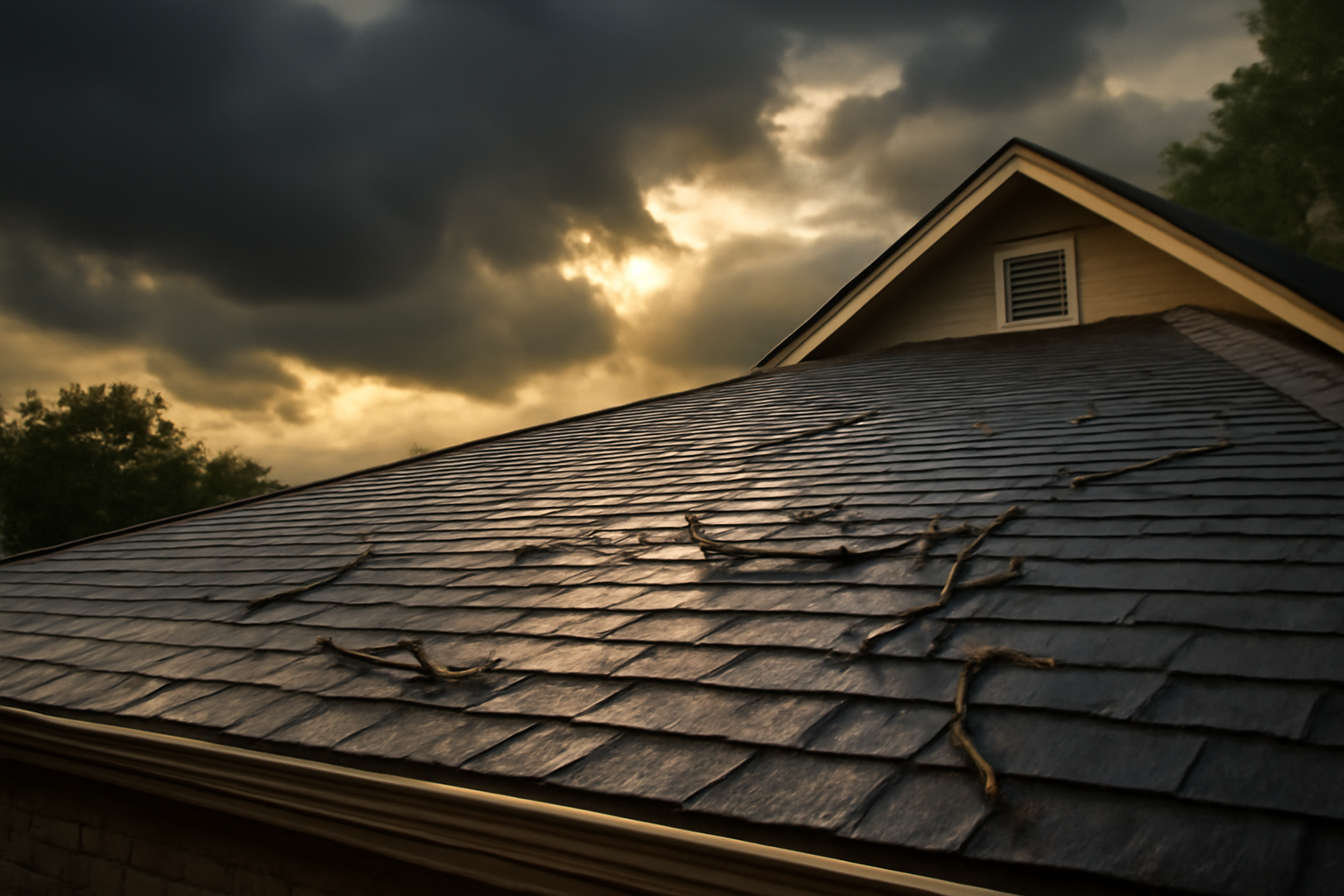
A line of storms rolls through San Antonio, your phone buzzes with weather alerts, and then — silence. The power's back on, the kids are fine, and the house looks okay from the driveway. So you move on. That's exactly how thousands of homeowners end up paying out of pocket for damage their insurance should have covered. The difference between a fully covered claim and a denial often comes down to one thing: when you called for an inspection.
San Antonio's Storm Season Is Longer Than You Think
Most people think of hail season as a narrow window in spring. In reality, San Antonio and the Hill Country see damaging weather from March through late October. Severe thunderstorms peak between April and June, but late-summer microbursts and fall tropical moisture events are just as destructive — sometimes more so because homeowners aren't expecting them. Cities like Boerne, New Braunfels, and Stone Oak sit right in the path of storms funneling down the I-35 corridor and off the Balcones Escarpment.
The point: don't assume your roof is fine because the calendar says September. If a storm produced hail larger than a quarter, sustained winds above 55 mph, or drove rain sideways for more than a few minutes, your roof took a hit whether you can see it or not.
The Golden Timeline: What to Do and When
Within 24 Hours: Document Everything
You don't need to climb on your roof. In fact, please don't — wet shingles on a pitched roof are dangerously slick. Here's what to do from the ground:
- Photograph your property. Walk the perimeter and take wide shots and close-ups of any visible damage: dented gutters, cracked siding, broken screens, downed branches. Photograph your roof from multiple angles if you can see it from ground level.
- Check your attic. Look for any new water stains, daylight showing through, or damp insulation. This is the fastest way to confirm a leak before it destroys drywall.
- Save the date and weather data. Screenshot the storm alert from your phone or pull up NOAA's storm reports for your zip code. Insurance adjusters want specific dates, and memory gets fuzzy fast.
Within 72 Hours: Call a Licensed Roofer
This is the window that matters most. Calling within the first three days after a significant storm does two things: it gives you an honest damage assessment before you file a claim, and it puts you ahead of the rush. After a major hail event in San Antonio, every roofer in town gets flooded with calls. Wait a week and you're competing with the entire northeast side for appointment slots.
A free roof inspection from a licensed contractor will tell you whether the damage is cosmetic, functional, or catastrophic — and whether filing a claim is even worth it. Not every storm warrants a claim, and filing one unnecessarily can raise your premiums with carriers like USAA, State Farm, or Amica for years.
Within 7-14 Days: File the Claim (If Warranted)
Most Texas homeowner policies don't have a hard 30-day filing deadline, but earlier is always better. Adjusters are more receptive when damage is fresh and documented. After two weeks, secondary damage starts creeping in — moisture intrusion, mold behind fascia boards, granule loss accelerating — and insurers start asking whether the storm actually caused it or whether it was pre-existing wear.
If your roofer's inspection confirms storm damage worth claiming, have them provide a written scope and estimate before the adjuster visits. This gives you leverage. It doesn't guarantee the adjuster agrees, but it forces them to address specific line items rather than doing a cursory walk-and-deny. We've written more about navigating this process in our insurance claim guide.
What Happens When You Wait Too Long
We get calls every year from homeowners who noticed a leak in November and trace it back to a hail event the previous May. By then, the damage has compounded: underlayment has deteriorated, decking has started to rot, and the insurance company's position is that you failed to mitigate. Texas Insurance Code does expect policyholders to take reasonable steps to prevent further damage. Waiting six months isn't reasonable in anyone's book.
The financial difference is stark. A hail damage repair caught early might involve replacing a section of shingles and some flashing — a few thousand dollars, often fully covered by insurance. That same damage left unaddressed can turn into a full roof replacement with decking work, pushing costs to $12,000–$25,000 depending on your roof size and material.
How to Vet the Roofer Who Shows Up
After every major storm, out-of-state crews flood San Antonio neighborhoods. They knock doors, leave flyers on windshields, and offer to "handle everything with your insurance." Some are legitimate. Many are not. Here's what to verify:
- Texas contractor registration. Texas doesn't require a state roofing license, but legitimate contractors carry general liability insurance, workers' comp, and can show proof of both on the spot.
- Local physical address. Not a P.O. box. Not a hotel room. A real office or shop you can visit. If they disappear after install, your warranty means nothing.
- Manufacturer certifications. A contractor certified by GAF, Owens Corning, or CertainTeed can offer extended warranty coverage that a fly-by-night crew cannot.
- No upfront payment demands. A reputable roofer won't ask for full payment before materials hit your driveway. Deposits are normal; writing a check to a stranger at your door is not.
Material-Specific Concerns After Storms
Not all roofs show storm damage the same way. Asphalt shingle roofs show hail hits as dark spots where granules have been knocked loose — subtle from the ground, obvious up close. Metal roofing dents visibly but rarely leaks from hail alone; the bigger concern is seam integrity after high winds. Tile roofing, common in neighborhoods like Alamo Heights and the Dominion, can crack or shatter from hail — and cracked tiles let water behind them long before you notice inside.
Flat roofing on commercial buildings and modern residential designs is especially vulnerable to pooling water after storms. Even a small puncture from wind-blown debris can turn into a catastrophic leak within days if water sits on the membrane.
A Quick-Reference Checklist by Day
- Day 0 (storm day). Stay safe. Don't go on the roof. Photograph visible damage from the ground. Check the attic.
- Day 1-3. Call a licensed local roofer for a roof inspection. Get a written damage report with photos.
- Day 3-7. Review the report. If damage warrants it, file your insurance claim with the date, photos, and contractor's scope in hand.
- Day 7-14. Meet the adjuster on-site — ideally with your roofer present. Compare line items.
- Day 14-30. Approve the scope, schedule the roof repair or replacement, and get it done before the next storm cycle.
Storm hit your neighborhood?
Don't wait for a door-knocker to tell you what happened to your roof. Wannamaker Roofing has been inspecting and repairing storm-damaged roofs across San Antonio since 2012. We'll give you an honest assessment — even if that means telling you your roof is fine. Schedule your free inspection today.
Timing isn't everything in roofing. But after a storm, it's the closest thing to it. The homeowners who act within the first 72 hours almost always come out ahead — better documentation, smoother claims, faster repairs, and less secondary damage eating into their wallets. The ones who wait? They're the ones calling us in November wondering why their ceiling is wet.