Hurricane Season Hits Inland Texas Too | Wannamaker
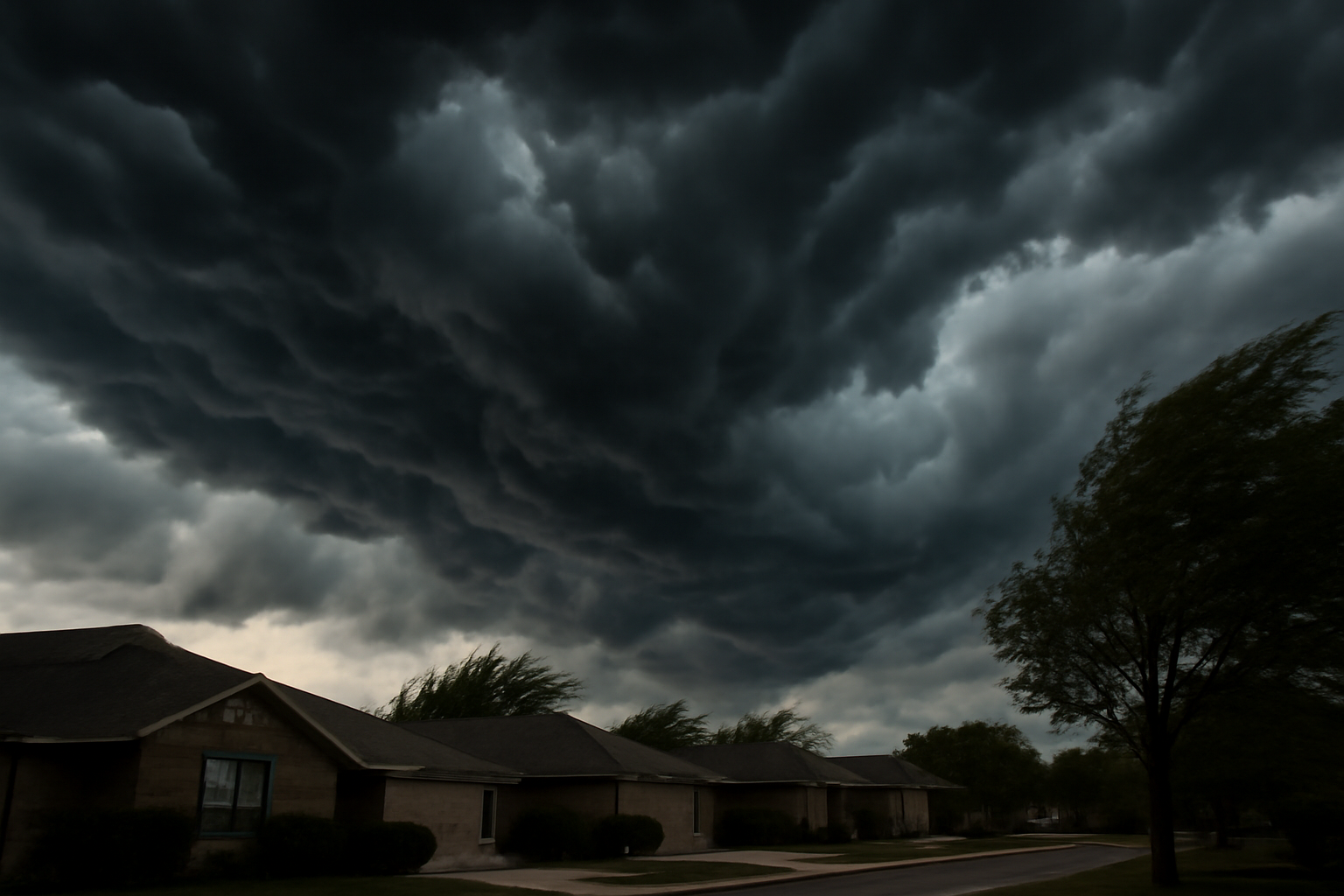
San Antonio is 150 miles from the Gulf Coast. That distance buys you a false sense of security. When a hurricane or tropical storm makes landfall along the Texas coastline, the remnants don't politely stop at the county line. They push inland — sometimes for hundreds of miles — carrying sustained winds above 50 mph, dumping 6-12 inches of rain in 24 hours, and spinning off tornadoes that touch down with zero warning. If you lived here during Tropical Storm Harvey in 2017 or the remnants of Hurricane Hanna in 2020, you already know. If you didn't, this is the guide you need.
Why Inland Texas Is Still Hurricane-Vulnerable
The Atlantic hurricane season runs from June 1 through November 30. The peak window — when the Gulf of Mexico is warmest and most active — is mid-August through mid-October. Storms that hit anywhere from Corpus Christi to Galveston can send their remnants directly through the Hill Country and San Antonio metro.
Here's what those remnants actually do to roofs in our area:
- Sustained wind (40-70 mph). Enough to lift poorly sealed shingle tabs, tear off ridge caps, and rip fascia boards loose. You don't need Category 3 winds to cause real damage.
- Torrential rain. San Antonio's clay-heavy soils don't absorb water fast. Water pools on flat roofs, overwhelms gutters, and finds every existing leak path in your decking.
- Spin-off tornadoes. Tropical systems produce embedded tornadoes — often EF0-EF1 — that touch down in unpredictable locations. Areas like Schertz, Converse, and Universal City on the northeast side of town have been hit by these in past tropical events.
- Hail from outer bands. Not every tropical system brings hail, but the convective bands feeding into the main circulation can produce it, compounding wind damage.
Your Month-by-Month Roof Prep Checklist
This isn't a generic "clean your gutters" list. These are specific, timed actions based on San Antonio's climate patterns and what we see cause the most preventable damage.
May: Pre-Season Inspection Window
May is the sweet spot. Spring hail season (March-April) is wrapping up, and you still have weeks before the Gulf heats up. This is when you should schedule a free roof inspection. A qualified inspector will check:
- Shingle adhesion. Are tabs sealed to each other? Older asphalt shingle roofs lose their adhesive strip integrity after 12-15 years in our heat. Unsealed tabs are the first thing wind grabs.
- Flashing integrity. Pipe boots, chimney flashing, and wall-to-roof transitions. These are where 80% of leaks originate during heavy rain events.
- Gutter and downspout condition. Gutters need to be firmly attached and draining away from the foundation. During a tropical rain event, a single clogged downspout can redirect hundreds of gallons into your soffit.
- Existing damage from spring storms. If you took hail in April and haven't addressed it, those bruised shingles will fail catastrophically under tropical wind loads.
June-July: Address Any Repairs Now
If your May inspection turned up problems, June and July are your repair window. Roofers are busy but not yet slammed with storm-response work. A roof repair that takes three days to schedule in June might take three weeks in September after a tropical system. Get it done early.
Key repairs to prioritize:
- Replace cracked or missing shingles. Even a few missing shingles create a wind entry point that can peel back an entire section.
- Reseal or replace pipe boot flashings. Rubber boots degrade fast in San Antonio's UV environment. If they're cracked, they're going to leak — period.
- Reinforce ridge caps. Ridge cap shingles take the most wind abuse on any roof. Hand-sealing them with roofing cement adds meaningful uplift resistance.
August-October: Active Monitoring
This is peak season. When a named storm enters the Gulf of Mexico, you typically have 3-5 days before remnants could reach inland Texas. Here's what to do when you see a storm forming:
- 48 hours out. Walk your yard and remove anything that could become a projectile — patio furniture, potted plants, loose landscaping materials. Secure trash cans. Trim any dead branches hanging over or near your roofline.
- 24 hours out. Document your roof's current condition with timestamped photos from the ground. Shoot all four sides. This is critical for any insurance claim you might file afterward.
- During the storm. Stay inside. Do not go on your roof. If you notice an active leak, contain the water with buckets and tarps on the interior, and document it on video.
After the Storm: The 72-Hour Window
Once conditions are safe, do a ground-level walk-around within the first 24 hours. Look for:
- Shingles or debris in the yard. Obvious, but sometimes people don't look behind the house.
- Dented gutters or downspouts. Indicates impact from wind-driven debris.
- Water stains on ceilings or in the attic. Check the attic with a flashlight if you can safely access it. Wet decking or insulation means water got in.
- Sagging or pooling on flat sections. If you have a flat roofing section, standing water 48 hours after rain stops is a drainage problem that needs immediate attention.
File your insurance claim within 72 hours if you see damage. Texas carriers — State Farm, USAA, Allstate, and others writing policies in Bexar County — have specific timelines, and delays give adjusters reasons to push back. Schedule a professional storm damage inspection as soon as possible so you have a contractor's assessment to support your claim.
Roof Types and Wind Resistance
Not all roofing materials handle tropical wind loads equally. If you're considering a roof replacement and live in a wind-prone area — especially properties in San Antonio proper or the more exposed Hill Country neighborhoods near Boerne and Helotes — here's what to know:
- Impact-resistant shingles (Class 3 or 4). These are the baseline upgrade we recommend. They handle both hail and wind better than standard 3-tab, and most Texas insurers offer a premium discount for Class 4 shingles.
- Standing seam metal. Metal roofing with concealed fasteners and interlocking panels has excellent wind uplift resistance — typically rated for 110-140 mph winds depending on the profile. It's a strong choice for exposed properties.
- Tile roofing. Tile roofing is heavy and wind-resistant when properly installed with mechanical fasteners. However, individual tiles can crack from debris impact, and replacement tiles sometimes require special ordering.
The Biggest Mistake We See After Tropical Storms
Storm chasers. Every single time a significant weather event hits San Antonio, out-of-state roofing crews flood the area within 48 hours. They knock on doors, offer free inspections, and push you to sign contracts immediately. Many are unlicensed in Texas, carry no local insurance, and will be gone before your warranty claim ever comes due.
Stick with a local contractor who has been here before the storm and will be here after. Check their Texas contractor registration, ask for proof of insurance, and verify they have a physical office — not just a truck and a phone number.
Don't Wait for the Storm to Find the Problem
The best time to find a roof vulnerability is before 50 mph winds and 8 inches of rain test it for you. Wannamaker Roofing offers a thorough free roof inspection that covers shingle adhesion, flashing, ventilation, and drainage — everything a tropical system will exploit. We've been doing this in San Antonio since 2012, and we'll still be here when the next storm passes. Schedule yours before peak season.
Quick Reference: Hurricane Season Timeline for San Antonio
- May. Schedule your pre-season roof inspection.
- June-July. Complete all identified repairs while scheduling is easy.
- August-October. Monitor Gulf activity. Prep your property 48 hours before any approaching system.
- After any event. Document damage immediately, file claims within 72 hours, and call a local roofer — not a storm chaser.
- November. Post-season follow-up inspection to catch anything that degraded during the season.
Hurricane season isn't just a coastal problem. It's a San Antonio problem too — and the homeowners who prepare in May are the ones who sleep through the September storms.