Helotes Ridge Exposure Roofing Tips | Wannamaker
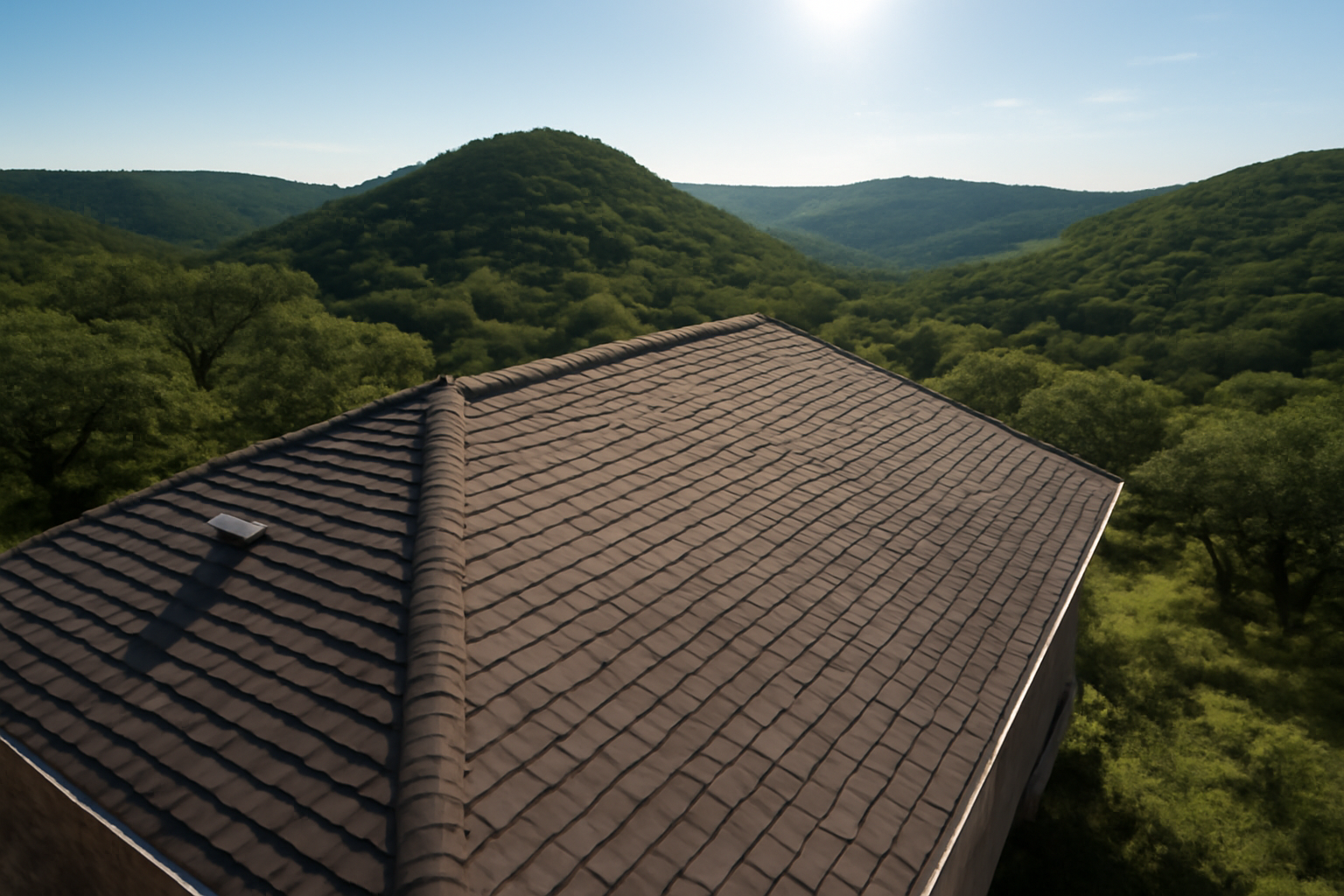
If you own a home along one of Helotes' ridgelines — Old Fredericksburg Road, Scenic Loop, or any of the hilltop developments off Bandera Road — your roof takes more punishment than a house in a valley subdivision a few miles away. That's not opinion; it's physics. Higher elevation means higher sustained wind speeds, longer sun exposure with less shade, and zero buffer from storm-driven hail. We've replaced roofs along these ridges that failed a full decade before the same product installed in a sheltered neighborhood closer to Loop 1604. The difference isn't the shingle — it's the exposure.
Why Ridge Exposure Matters More Than You Think
San Antonio averages around 9 mph sustained wind at ground level. On a Helotes ridgeline at 1,300–1,500 feet elevation, that figure climbs noticeably — and gusts during spring fronts and summer thunderstorms can exceed 60 mph without a named storm in sight. Wind doesn't just rip shingles off. It creates negative pressure on the leeward side of your ridge, lifting edges and allowing moisture infiltration at every seam. Over time, this micro-lifting fatigues adhesive strips on asphalt shingles, even if nothing looks wrong from the ground.
Then there's UV. A south-facing slope on a Helotes ridge gets hammered with direct sunlight from roughly 9 a.m. to 6 p.m. in summer with zero tree canopy to soften the blow. UV degrades the petroleum-based binders in asphalt shingles, causing granule loss that accelerates every subsequent problem — heat absorption, cracking, and water penetration. Homes in shaded valley lots simply don't age at the same rate.
Material Selection for Exposed Ridgelines
Not every roofing material is suited for ridge exposure. Here's what we actually recommend — and what we steer people away from — based on years of working Helotes properties.
- Standing seam metal roofing. This is the top performer for ridge-exposed homes. Panels interlock mechanically, eliminating adhesive failure. Metal roofing handles sustained wind far beyond what asphalt can manage, reflects UV rather than absorbing it, and carries a lifespan measured in decades rather than years. The upfront cost is higher, but on a ridge where you'd otherwise replace shingles every 12–15 years, the math favors metal within the first replacement cycle.
- Impact-resistant asphalt shingles (Class 4). If budget constraints rule out metal, a Class 4 impact-resistant shingle rated for 130+ mph winds is the minimum we install on ridge-exposure homes. Products from manufacturers like Owens Corning (Duration STORM) or CertainTeed (Landmark IR) use SBS-modified asphalt that stays flexible longer under UV stress. Bonus: most Texas insurers — USAA, State Farm, Amica — offer premium discounts of 15–30% for Class 4 shingles, which offsets the higher material cost within a few years.
- Concrete or clay tile. Tile roofing performs well in UV and wind when properly installed with mechanical fasteners rather than mortar-set methods. The weight requires adequate structural support, which many Helotes custom homes already have. It's a strong choice for Mediterranean and Hill Country architectural styles common in the area.
- Three-tab shingles. We genuinely discourage three-tab on any ridge-exposed Helotes home. The single-layer design has a lower wind rating, thinner profile, and shorter UV lifespan. Saving $1,500–$2,500 on a cheaper shingle only to need roof repair or full replacement years earlier is a losing trade.
Installation Details That Actually Matter
Material gets all the attention, but installation technique determines whether that material performs to spec on an exposed ridge. Here are the details we enforce on every Helotes ridge job:
Enhanced Nailing Patterns
Manufacturer specs call for a standard nailing pattern in "normal" wind zones and a high-wind pattern in exposed areas. On ridgelines, we default to the high-wind pattern — six nails per shingle instead of four, placed in the manufacturer-specified nail zone. This single change dramatically improves wind resistance without adding significant cost.
Starter Strip and Hip/Ridge Cap
The eaves and ridge line are the most vulnerable points on a wind-exposed roof. We use a factory-made starter strip with a full adhesive band — not cut shingles flipped upside down, which is a shortcut some crews still take. At the ridge cap, we install hip-and-ridge shingles with a secondary sealant application because the cap sits at the highest point and catches every gust.
Synthetic Underlayment
Felt underlayment (15 lb or 30 lb) tears in sustained wind during installation and degrades faster under UV if any shingle lifts over time. Synthetic underlayment costs slightly more but lies flat, resists tearing, and acts as a real secondary water barrier. On a ridge-exposed home, this isn't optional — it's the difference between a leak and a near-miss.
Drip Edge and Flashing
Wind-driven rain on a ridgeline doesn't fall straight down — it moves laterally. Proper drip edge installation on all eaves and rakes prevents water from wicking under the deck. We also pay extra attention to flashing around any roof penetrations (vents, chimneys, skylights) because lateral rain finds every gap that vertical rain would miss.
Storm Damage and Insurance on Helotes Ridgelines
Hail season in the San Antonio metro typically runs from March through June, and Helotes ridgelines are often the first terrain features that storms hit as they roll in from the west. After a hail event, ridge-exposed roofs almost always sustain more damage than valley-floor homes — adjusters know this, and most will agree once the inspection confirms it. If you've been through a recent storm, getting a free roof inspection before filing a claim gives you documentation that strengthens your case. We handle insurance claims regularly and can walk you through the process with your specific carrier.
Maintenance on Exposed Roofs
Because ridge-exposed roofs age faster, annual inspections aren't just a good idea — they're the only way to catch problems before they become expensive. We specifically look for granule accumulation in gutters (a sign of UV degradation), lifted edges along the windward eave, sealant failure at penetrations, and cracked ridge cap shingles. Catching a few lifted shingles early costs a couple hundred dollars. Ignoring them until water reaches the decking costs thousands.
Own a ridge-top home in Helotes?
Schedule a free roof inspection with Wannamaker Roofing. We'll assess your current roof's condition, identify wind and UV vulnerabilities, and give you a straight answer on what — if anything — needs attention. No pressure, no sales pitch. Visit our Helotes roofing page to learn more about our work in the area.
Ridge exposure isn't a marketing term — it's a measurable set of conditions that shorten roof life and increase failure risk. The good news is that the right material, installed correctly, handles these conditions without drama. The bad news is that the wrong material, or the right material installed by a crew that doesn't adjust for exposure, will cost you far more in the long run. If you're weighing a roof replacement on a Helotes ridgeline, make sure your contractor understands the difference.