Alamo Heights Historic Roofing Rules | Wannamaker
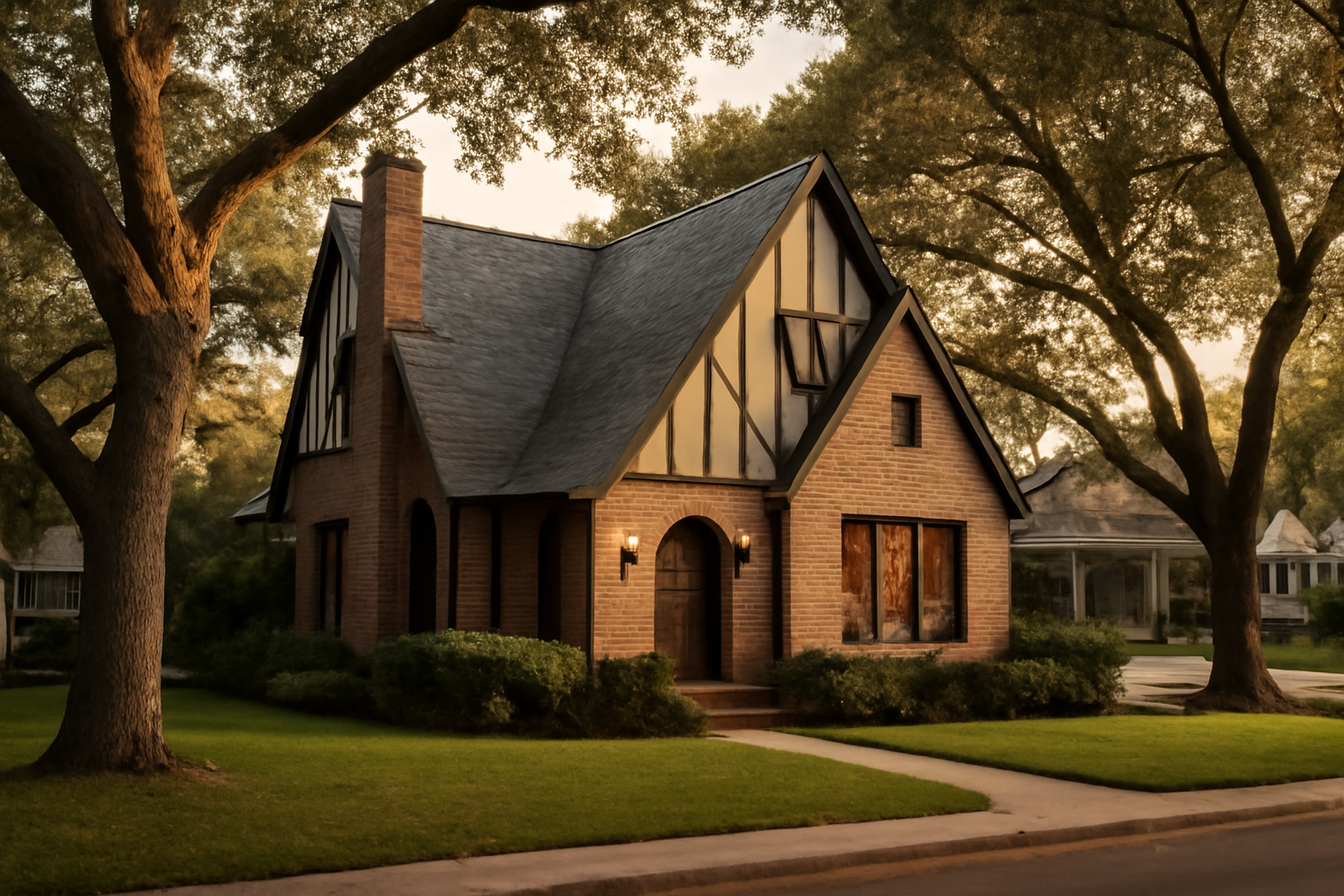
Alamo Heights is one of the most desirable neighborhoods in the San Antonio metro — and one of the most regulated when it comes to what you can put on your roof. If you own a home in the '09 zip code and you're thinking about a roof replacement, the material you choose, the color you pick, and even the contractor you hire can all be subject to review. We've seen homeowners buy $15,000 worth of architectural shingles only to learn they needed approval for a completely different material. Here's what we've learned from working in Alamo Heights for over a decade.
Why Alamo Heights Has Different Rules
Alamo Heights is an independent city within San Antonio with its own building department, its own permitting process, and its own Architectural Review Board (ARB). Unlike most of unincorporated Bexar County — where you pull a permit and go — Alamo Heights requires exterior modifications on many homes to pass through an additional design review. This is especially true for properties within designated historic overlay zones or on streets with established architectural character.
The City of Alamo Heights adopted historic preservation guidelines that govern roofing materials, roof profiles, and visible exterior changes. The goal is to maintain the neighborhood's 1920s–1950s architectural character — Tudor revivals, Spanish colonials, and mid-century ranches that give the area its distinctive look. Whether you agree with that philosophy or not, the rules are enforceable, and violating them can mean fines, forced removal, or a lien on your property.
What Materials Are Typically Approved
The ARB doesn't publish a simple "approved materials" list the way some HOAs do. Instead, they evaluate each project on a case-by-case basis. That said, there are clear patterns in what gets approved and what gets rejected:
- Slate and natural stone. Original slate roofs are common on Tudor-style homes in Alamo Heights. If your home had slate roofing, the ARB will almost always require you to replace with real or synthetic slate — not a standard shingle.
- Clay and concrete tile. Spanish Colonial and Mediterranean-style homes are expected to maintain tile roofing. Barrel tile, flat tile, and S-tile are all generally acceptable, but color matters. You'll need to match or closely approximate the original tile profile and hue.
- Architectural shingles. Asphalt shingle roofs are common on mid-century ranches and some bungalows. These are usually approved as long as you stick with dimensional (architectural) shingles in an appropriate color. Three-tab shingles are increasingly rejected for visible roof planes.
- Standing seam metal. Metal roofing can be a gray area. Some newer construction in Alamo Heights uses standing seam, but if your home was built in 1938 with a clay tile roof, don't expect the ARB to approve a switch to metal. Material changes that alter the home's historic character are the most common reason for denial.
The Approval Process Step by Step
Here's the general workflow for getting a roof replacement approved in Alamo Heights:
- 1. Get an inspection first. Before you apply for anything, get a professional roof inspection to document the current material, condition, and any storm damage. This documentation supports your permit application and any insurance claim.
- 2. Check if your property is in an overlay zone. Contact the Alamo Heights Building Department at City Hall (6116 Broadway) to determine whether your property falls within a historic overlay district. Not every home in Alamo Heights requires ARB review — but many do.
- 3. Submit your application with material samples. The ARB typically wants to see the actual material and color you're proposing. Bring physical samples, not just brochure photos. Include the manufacturer name, product line, and color code.
- 4. Attend the ARB meeting if required. Some projects are approved administratively. Others require you (or your contractor) to present at a board meeting. These meetings happen monthly, so timing matters — miss the deadline and you're waiting another 30 days.
- 5. Pull the building permit after ARB approval. ARB approval and a building permit are two separate things. You need both before any work begins.
Common Mistakes We See
The biggest mistake is hiring a contractor who doesn't know Alamo Heights operates independently from San Antonio. We've been called to fix projects where a crew showed up, tore off a clay tile roof, and installed standard shingles — only for the city to issue a stop-work order the same day. The homeowner was stuck with a half-finished roof and a code violation.
Another common issue: assuming your insurance carrier will cover the cost of historically appropriate materials. If you file a insurance claim after hail damage, your policy may only cover "like kind and quality" replacement. For a standard shingle roof, that's straightforward. For a natural slate roof, "like kind and quality" means real slate — which can push a roof replacement cost well above $30,000. Make sure your agent and your contractor are aligned on what your policy actually covers before you sign anything.
Color and Profile Restrictions
Even if you're replacing with the same material type, color can trigger a rejection. The ARB evaluates whether the proposed color is consistent with the home's architecture and the surrounding streetscape. Bright or unconventional colors — white metal, blue shingles, glazed tile — are almost always denied on pre-1960 homes. Stick with earth tones, weathered grays, and muted reds unless you have a specific reason to deviate and the documentation to support it.
Roof profile changes are also scrutinized. Adding dormers, skylights, or solar panels to a historically significant roof plane may require additional review or a variance. This doesn't mean it's impossible — it means you need to plan for it.
Working With a Contractor Who Knows the Process
The single best thing you can do is hire a roofer who has completed projects in Alamo Heights before and understands the permitting and ARB process. A contractor who's worked in the neighborhood knows which materials the board favors, which manufacturers offer historically appropriate options, and how to present a project that gets approved the first time. We've handled dozens of roofs in Alamo Heights and surrounding areas like greater San Antonio and Stone Oak, and the process is night-and-day different depending on where you are.
Own a home in Alamo Heights?
Before you commit to a material or a contractor, get a free roof inspection from a team that knows the local rules. We'll document your current roofing material, identify any storm or age-related damage, and walk you through the ARB process so there are no surprises. Call us or book online — no pressure, no obligation.
Alamo Heights' rules exist to protect property values and neighborhood character. That's not a bad thing — but it does mean you can't treat a roof replacement here the same way you would in most of San Antonio. Know the rules before you start, choose the right materials from the beginning, and work with someone who's been through the process. It saves time, money, and a lot of frustration.