What Actually Drives a Roof Quote Up or D… | Wannamaker
You call three roofers. You get three quotes. One is $8,500, another is $14,000, and the third lands at $11,200. None of them are necessarily wrong — they're just weighing different variables differently, or they're not all quoting the same scope of work. If you don't understand what actually moves the number, you can't tell which quote is the best value. Here's a line-by-line breakdown of every factor that pushes a San Antonio roof quote up or down.
Roof Size — But Not the Way You Think
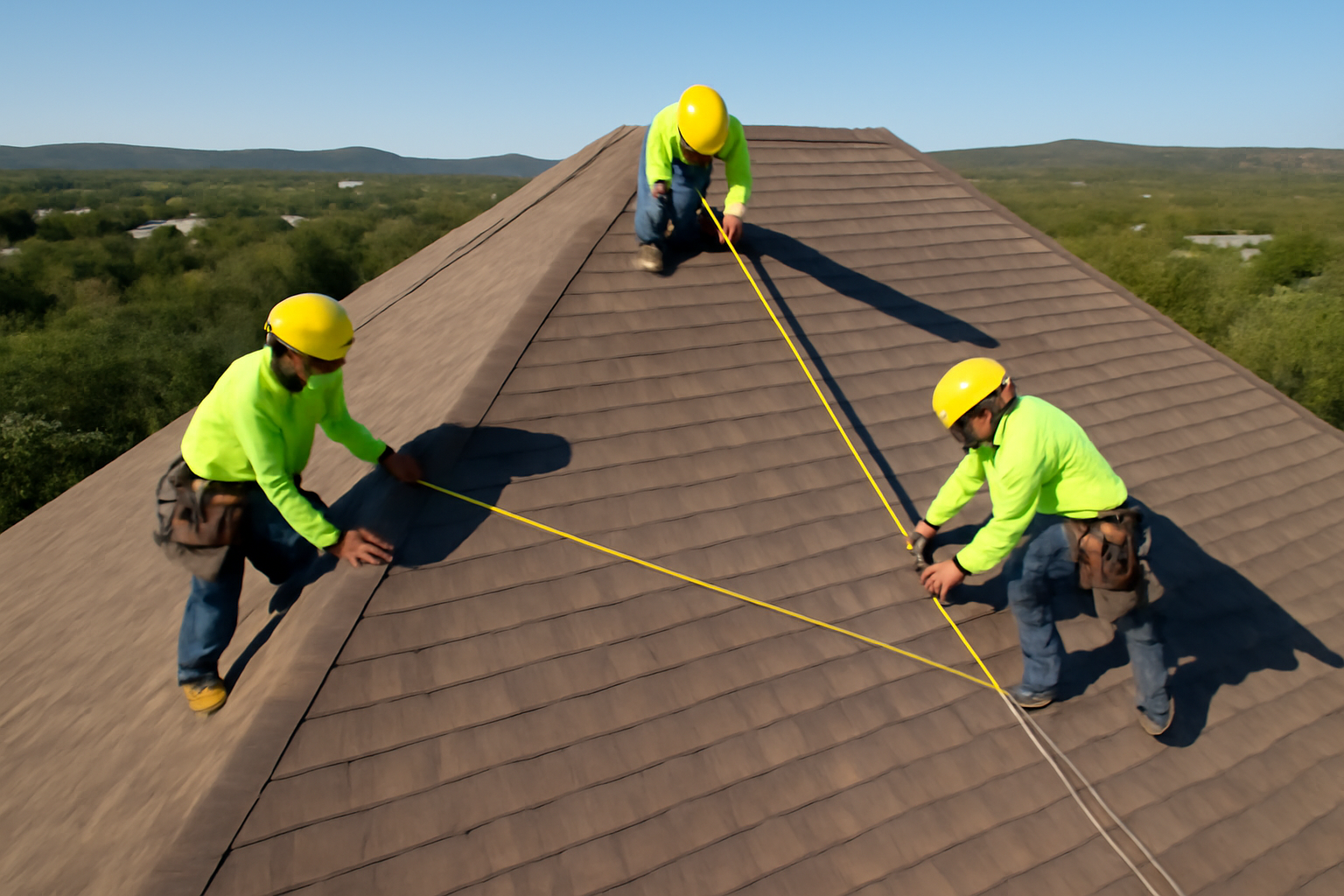
Yes, a bigger roof costs more. But the measurement that matters isn't your home's square footage — it's the roofing square footage, which accounts for slope, overhangs, and complex geometry. A 2,000 sq ft single-story ranch with a simple gable has far more roof area than a 2,000 sq ft two-story with a compact footprint. During a roof inspection, your contractor should measure from the roof itself or use satellite measurement tools — not just estimate off your tax records.
Waste factor matters too. A cut-up roof with lots of hips, valleys, and dormers generates more material waste — sometimes 15-20% more than a straightforward gable. That waste gets built into your quote whether the contractor itemizes it or not.
Pitch and Steepness
Roof pitch is the single biggest labor multiplier most homeowners overlook. A standard 4/12 pitch (four inches of rise per twelve inches of run) is walkable. Crews move fast, staging is minimal, and safety equipment is basic. Once you get above 8/12, everything changes: harnesses, toe boards, slower installation, and higher risk. Many San Antonio homes in neighborhoods like Stone Oak and Alamo Heights have steep architectural rooflines that push labor costs up 20-40% compared to a low-slope ranch.
Material Grade and Type
This is the most obvious price driver, but the range is enormous:
- Three-tab asphalt shingles. The budget option. Thinner, shorter warranty, less wind resistance. Rarely recommended anymore for San Antonio's hail and wind exposure.
- Architectural (dimensional) shingles. The standard for most asphalt shingle installs today. Better wind rating, typically 30-year or lifetime limited warranty, and significantly more durable than three-tab.
- Impact-resistant (IR) shingles. Class 3 or Class 4 rated. They cost more upfront but can earn you a meaningful discount on your Texas homeowner's insurance — sometimes enough to offset the upgrade within a few years.
- Metal roofing. Standing seam metal typically runs 2-3x the cost of architectural shingles but lasts 40-60+ years with minimal maintenance.
- Tile and slate. Tile roofing is common in parts of San Antonio and can last 50+ years, but the material and labor costs are significantly higher, and the structure needs to support the weight.
The material itself is only part of the equation. Underlayment quality, starter strips, ridge vent systems, and ice-and-water shield in valleys all add up. A quote that skips these details is a quote that's cutting corners.
Deck Condition — The Hidden Variable
No one knows what your decking looks like until the old shingles come off. If the plywood or OSB underneath is rotted, delaminated, or water-damaged, it has to be replaced before new material goes on. Most honest contractors will quote a per-sheet price for deck replacement and give you a realistic estimate of how many sheets they expect to need. In San Antonio, where summer attic temperatures can exceed 150°F, heat-related decking deterioration is more common than people expect — especially on homes built in the 1980s and 1990s with thinner OSB.
This is one reason we always recommend a thorough free roof inspection before committing to any contract. Attic-side clues — daylight coming through, dark staining, sagging — help us estimate deck condition before tear-off day.
Number of Layers to Remove
Texas building code allows a maximum of two layers of asphalt shingles. If your roof already has two layers, everything comes off. Tearing off two layers takes more labor, generates more dump fees, and takes longer. Even removing a single layer costs more if the previous install used six nails per shingle instead of four — more nails means more labor stripping the deck clean.
Access and Logistics
Can a material delivery truck get close to your house? Is there room for a dumpster in the driveway? Are there mature oak trees overhanging every elevation? Tight lots in neighborhoods like Leon Valley or older areas near downtown can add half a day of labor just in material handling and debris cleanup. Two-story homes with no ground-level access on certain sides require more ladder work and longer carry distances.
Ventilation, Flashing, and Penetrations
Every pipe boot, vent stack, skylight, chimney, and satellite dish mount is a penetration that needs proper flashing. More penetrations = more labor and more potential leak points to address. If your attic ventilation is inadequate — and in San Antonio, it usually is — a good roofer will recommend adding ridge vent, soffit intake, or powered ventilation. This adds cost but protects your investment by reducing heat buildup that degrades shingles from below.
Insurance vs. Out-of-Pocket
If your roof was damaged by hail or wind, your homeowner's insurance may cover most of the roof replacement cost. But the insurance adjuster's scope and your contractor's scope don't always match. A reputable company will supplement the claim with documentation to get the full scope covered — not inflate the price, but make sure nothing legitimate gets left out. If you're navigating insurance claims after hail damage repair, understanding these cost drivers helps you hold both your insurer and your contractor accountable.
What Doesn't (or Shouldn't) Drive the Price
A few things that should raise red flags if they show up as major line items or excuses for inflated pricing:
- "Urgency" surcharges. Storm chasers love these. Legitimate local contractors don't charge you extra because a storm just hit.
- Vague "overhead and profit" padding. O&P is standard in insurance work, but it should be transparent and match industry norms — not a catch-all markup.
- Brand-name upsells with no performance difference. Some contractors push premium product lines that cost more but don't perform meaningfully better for our climate. Ask what the upgrade actually gets you.
Want a quote you can actually understand?
Wannamaker Roofing provides detailed, line-item estimates — not vague lump sums. We walk you through every cost driver so you know exactly what you're paying for and why. Schedule a free roof inspection and get a transparent quote from a locally-owned San Antonio contractor who's been doing this since 2012.
The Bottom Line
A roof quote is the sum of measurable variables: size, pitch, material, deck condition, layers, access, penetrations, and ventilation. When you understand these inputs, you stop comparing quotes by the bottom-line number alone and start comparing them by scope and value. The cheapest quote isn't always the worst — but it usually means something is missing. And the most expensive quote isn't always the best — it might just mean someone's padding. Know what drives the number, and you'll make a better decision every time.