UV Degradation & Your Roof in Texas Sun | Wannamaker
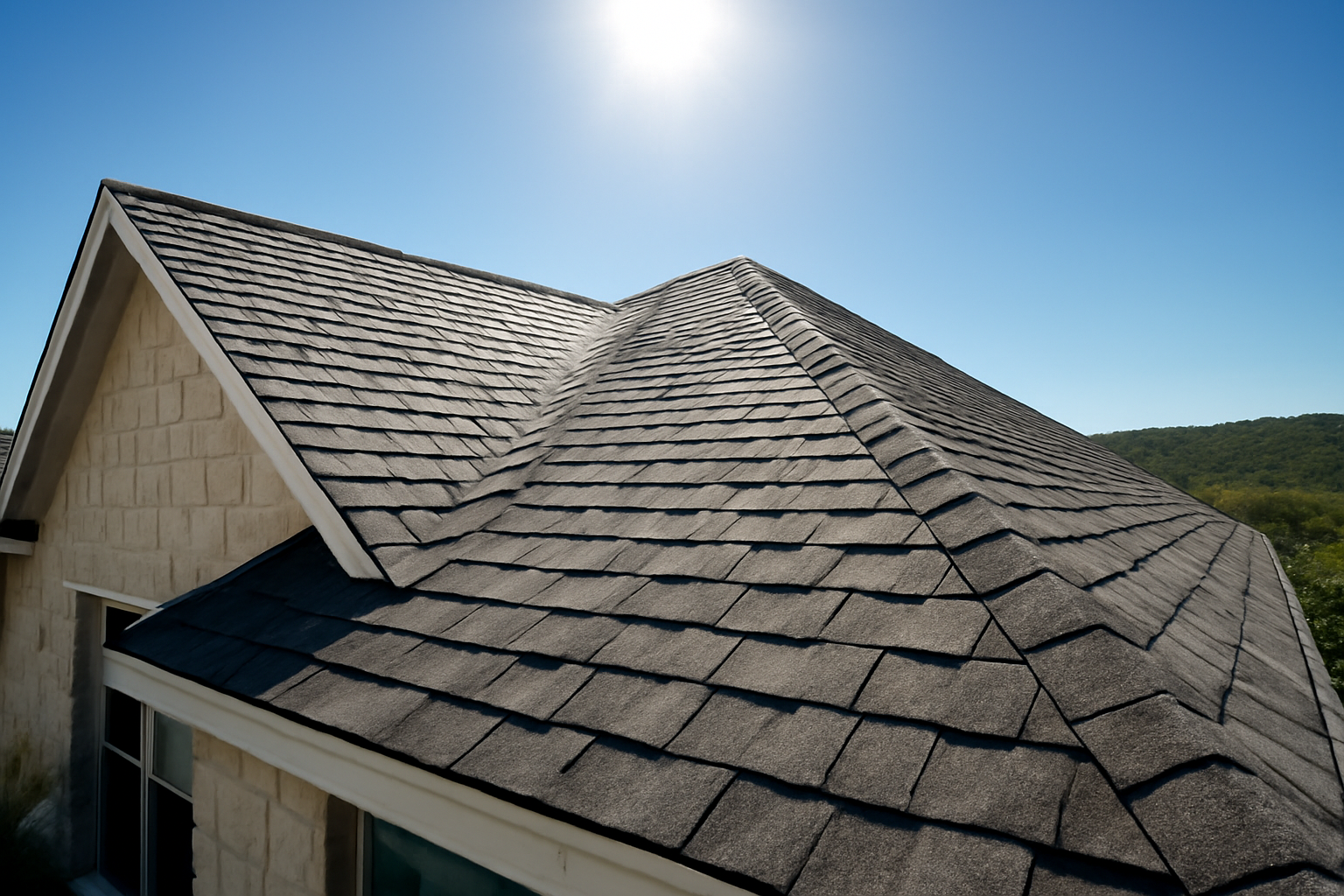
Everyone in San Antonio talks about hail damage. And fair enough — a spring hailstorm can wreck a roof in fifteen minutes. But here's what nobody warns you about: the Texas sun destroys more roofs than hail ever will. It just does it slowly, silently, over years instead of minutes. UV radiation breaks down roofing materials at a molecular level, and by the time you see the obvious signs — curling shingles, bare granule patches, color bleaching — you've already lost years of useful life. This guide walks you through what UV degradation actually looks like, when it accelerates, and what to do about it on a month-by-month schedule specific to the San Antonio climate.
How UV Radiation Actually Kills Your Roof
San Antonio averages roughly 220 sunny days per year. That's more than most of Texas, and significantly more than the national average. The UV index here regularly hits 10-11 during summer months — classified as "very high" to "extreme" by the EPA. That radiation doesn't just fade your shingles' color. It triggers a chemical process called photo-oxidation that breaks the hydrocarbon bonds in asphalt. The oils that keep shingles flexible evaporate. The material becomes brittle. Granules loosen and wash away in the next rain.
This is why an asphalt shingle roof rated for 25-30 years in Ohio might only last 18-22 years in San Antonio — even without a single hailstorm. The manufacturer warranty assumes average conditions. The Bexar County sun is anything but average.
The Surfaces That Take the Worst Beating
UV degradation isn't uniform across your roof. The south- and west-facing slopes take the hardest hit because they absorb the most direct afternoon sun. If your home faces southwest — common in neighborhoods throughout Stone Oak, Helotes, and Alamo Heights — those slopes can age 30-40% faster than the north-facing side of the same roof. We've inspected roofs where the south slope needed full replacement while the north side had five or more good years left.
Visible Signs of UV Damage (What to Look For)
- Granule loss in gutters. Check your downspouts after a rain. A handful of granules is normal on a new roof. A consistent sandpaper-like layer in your gutters means the UV shield is failing.
- Color fading or uneven bleaching. Compare your south-facing slope to the north. If one side looks noticeably lighter or patchy, UV degradation is advanced.
- Shingle curling or cupping. When oils evaporate from asphalt, shingles lose flexibility. Edges curl upward (cupping) or the center buckles (clawing). Either way, wind and rain can now get underneath.
- Cracking or splitting. Brittle shingles develop hairline fractures. These are easy to miss from the ground but obvious during a roof inspection.
- Dark streaks that aren't algae. Sometimes what looks like algae staining is actually exposed asphalt where the granule layer has completely worn away.
Your San Antonio Seasonal Roof Checklist
UV damage is cumulative, but the rate of degradation changes with the seasons. Here's when to take specific actions:
February – March: Pre-Storm Season Inspection
Before hail season ramps up in April, get a professional free roof inspection. This establishes a baseline. If a hailstorm hits in May, you'll want documented proof of your roof's pre-storm condition for your insurance claim. During this inspection, we specifically check south- and west-facing slopes for UV wear that accumulated over the previous summer.
April – May: Gutter and Attic Check
Clean gutters and inspect for granule accumulation. Check your attic for signs of heat buildup — inadequate ventilation amplifies UV damage from below by trapping heat against the roof deck. Attic temperatures in poorly ventilated San Antonio homes can exceed 150°F in summer. That bakes shingles from both sides.
June – August: Peak UV Season (Damage Accelerates)
This is when the most UV degradation occurs. There's not much to do during these months except ensure your attic ventilation is working properly. If you're planning a roof replacement, this is actually a good time to schedule it — crews are often more available between storm seasons, and you can choose UV-resistant materials before the next cycle begins.
September – October: Post-Summer Assessment
After four months of extreme UV exposure, schedule a visual inspection. Look for new curling, cracking, or color changes that weren't present in spring. This is the most revealing time to assess UV damage because the cumulative summer effect is fresh and visible. If your roof is approaching 15 years old, this fall check matters more than any other.
November – January: Planning Window
UV intensity drops, giving your roof a brief reprieve. Use this time to get estimates if fall inspections revealed concerning wear. Winter is often the best time to lock in pricing for spring projects. Review your homeowner's insurance policy — UV degradation is considered normal wear and tear and is not covered by insurance. That's a critical distinction from hail damage repair, which is a covered peril.
Materials That Resist UV Better
Not all roofing materials degrade at the same rate under Texas sun. If UV lifespan is a priority, here's how the options stack up:
- Metal roofing. Reflective coatings bounce UV radiation away rather than absorbing it. A quality standing seam metal roof can last 40-60 years in San Antonio with minimal UV-related maintenance.
- Tile roofing. Clay and concrete tiles are essentially baked earth — UV can't break down material that was already fired at 2,000°F. Common in the Hill Country for good reason.
- Impact-resistant asphalt shingles (Class 4). These use SBS-modified asphalt that resists both hail and UV degradation better than standard architectural shingles. They cost 15-25% more but typically last longer in our climate.
- Cool roof coatings. For flat roofing and commercial applications, reflective coatings can reduce surface temperatures by 50-60°F and significantly slow UV breakdown.
The Ventilation Factor Most Contractors Ignore
Here's something that separates a thorough roofer from a shingle-slapper: attic ventilation directly impacts how fast UV degrades your roof. When hot air gets trapped in the attic, it superheats the underside of the roof deck. Your shingles are now being cooked from above by the sun and from below by trapped heat. Proper ridge and soffit ventilation can extend shingle life by several years — and it's something we check on every roof inspection we perform.
If your home was built before the mid-1990s, there's a decent chance the ventilation doesn't meet current code. Adding ventilation during a roof repair or replacement is relatively inexpensive and pays for itself in extended roof life.
Not sure where your roof stands after this summer?
Wannamaker Roofing offers a free, no-obligation roof inspection that includes UV degradation assessment, ventilation check, and honest feedback on remaining useful life. We'll tell you if your roof has years left — or if it's time to start planning. No pressure, no scare tactics. Just a straight answer from a local contractor who's been doing this in San Antonio since 2012.
The Bottom Line
UV degradation isn't dramatic. There's no adjuster showing up, no tarp on the roof, no emergency phone call. It's the slow, silent shortening of your roof's life — and in San Antonio's climate, it's happening faster than most homeowners realize. The good news: with the right materials, proper ventilation, and a simple seasonal inspection schedule, you can push back against it. Know what to look for, check your roof at the right times, and you'll get every year of life your investment deserves.