Synthetic Slate & Composite Tile | Wannamaker
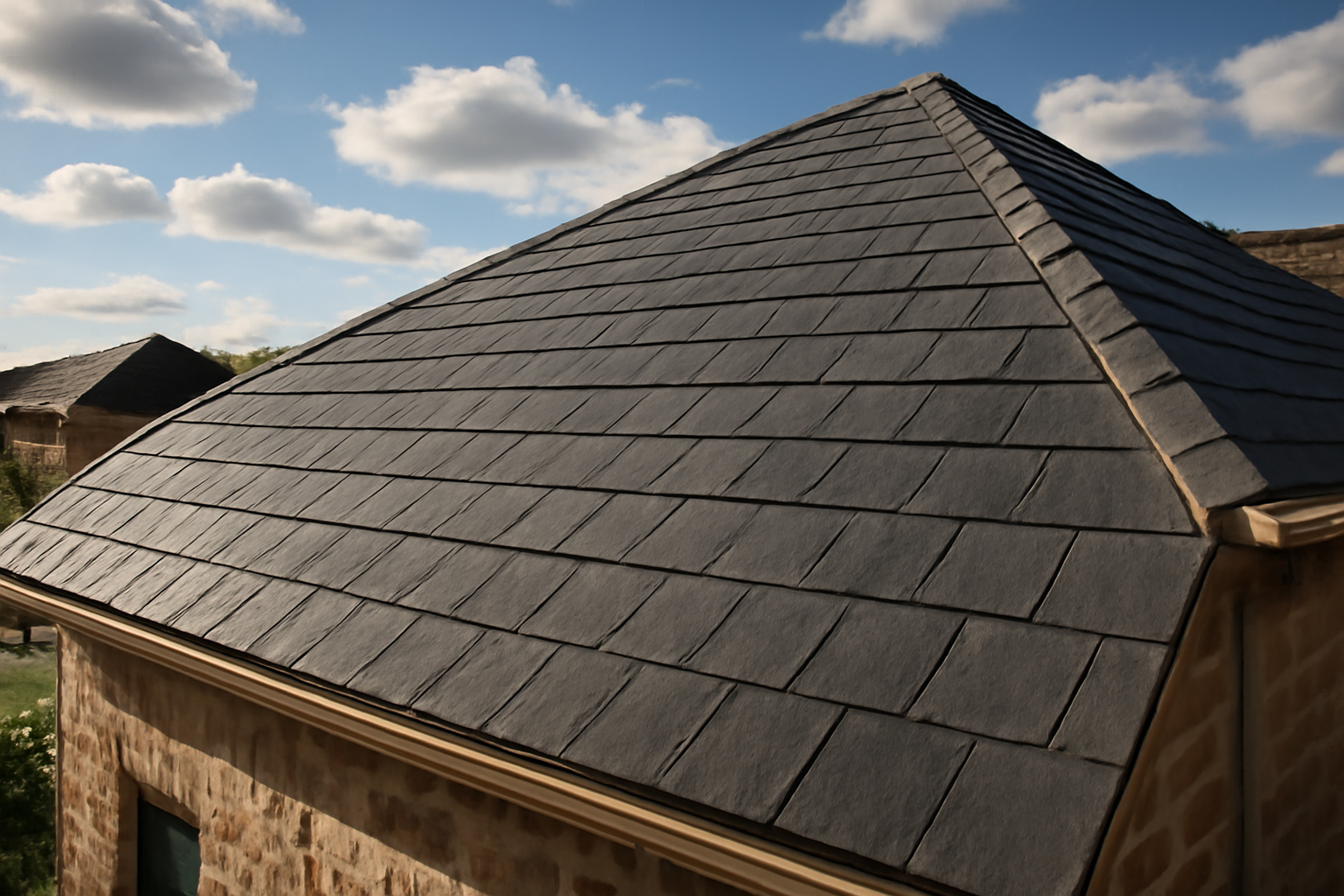
Natural slate costs a fortune. Clay tile weighs a ton — literally. And both materials can be a nightmare to source, install, and repair in the San Antonio market. That's why synthetic slate and composite tile have gained serious traction over the past decade. These engineered alternatives mimic the look of premium roofing materials at a fraction of the weight and cost. But they're not perfect, and not every product on the market deserves your money. Here's an honest breakdown from a crew that installs all of them.
What Exactly Are Synthetic Slate and Composite Tile?
These two terms get thrown around interchangeably, but they're slightly different categories:
- Synthetic slate. Engineered to replicate the look of natural quarried slate. Most products are made from a blend of recycled rubber, plastic polymers, and sometimes virgin polypropylene. DaVinci Roofscapes, Brava, and CertainTeed's Symphony line are the names you'll encounter most often. They come in individual tiles or multi-width panels.
- Composite tile. Designed to mimic clay or concrete barrel tile, flat tile, or shake profiles. These use similar polymer blends, sometimes reinforced with limestone or other mineral fillers for rigidity. Brava and F-Wave are strong players in this space.
Both categories share a key advantage: they weigh roughly 1.5 to 3 pounds per square foot, compared to 8-15 pounds per square foot for natural slate or clay tile. That weight difference matters more than most homeowners realize.
Why Weight Matters in San Antonio
Many homes in neighborhoods like Stone Oak, Alamo Heights, and the Hill Country corridor were framed for asphalt shingle loads — roughly 2 to 3 pounds per square foot. Switching to natural slate or clay tile on one of these homes means a structural engineer has to evaluate the rafters and trusses, and reinforcement can add $5,000-$15,000 to the project before a single tile goes up.
Synthetic slate and composite tile typically install at weights comparable to architectural shingles, so most existing roof structures can handle them without modification. That alone can save you a five-figure line item on a roof replacement.
Real Pricing for the San Antonio Market
Let's talk numbers. For a typical 2,000-2,500 square foot home (roughly 25-30 roofing squares), here's what installed costs generally look like in our area:
- Architectural asphalt shingles. $8,000-$15,000 installed. The baseline.
- Synthetic slate (DaVinci, Brava, etc.). $18,000-$35,000 installed, depending on profile, color blend, and roof complexity.
- Composite barrel tile. $20,000-$38,000 installed. Barrel profiles require more labor than flat profiles.
- Natural slate. $35,000-$70,000+ installed. Plus potential structural work.
- Clay tile. $25,000-$50,000+ installed. Plus potential structural work.
Synthetic products land in a middle ground that makes financial sense for homeowners who want the aesthetic of premium materials without the full premium price tag. For detailed cost comparisons against other options, check our roof replacement cost guide.
Durability and Texas Weather Performance
Here's where things get interesting — and where we can be genuinely positive about these products. San Antonio's weather throws three main challenges at a roof: UV exposure, hail, and heat cycling. Synthetic slate and composite tile handle all three well.
- Hail resistance. Most synthetic slate and composite tile products carry Class 4 impact ratings (UL 2218), the highest available. They flex on impact rather than shattering like natural slate or cracking like clay. After the hail events we see regularly in Bexar and surrounding counties, these roofs typically survive with zero functional damage. If you've dealt with hail damage repair on a shingle roof, you know how valuable that Class 4 rating is.
- UV stability. Quality products use UV stabilizers throughout the material — not just a surface coating. DaVinci and Brava both warrant against excessive fading. That said, cheaper off-brand composites can chalk and fade within 5-8 years. Brand selection matters enormously here.
- Heat cycling. San Antonio roofs can hit 160°F+ in summer and drop below freezing on winter nights. Polymer-based tiles expand and contract, but well-engineered products account for this with fastening systems that allow movement without loosening.
Most top-tier synthetic slate and composite tile products carry warranties of 50 years, with some offering limited lifetime coverage. Compare that to the 25-30 year realistic lifespan of even the best asphalt shingle roofs in our climate.
The Honest Downsides
We'd be doing you a disservice if we didn't mention the drawbacks:
- They're not the real thing. Up close, even the best synthetic slate doesn't fool a stonemason. From the street? Most people can't tell the difference. But if authenticity matters deeply to you, natural slate roofing or tile roofing is still the gold standard.
- Limited track record. Natural slate has a 400-year track record. These products have been around for 15-20 years in their current formulations. Early generations did have issues — cracking, color inconsistency, warping. Current products are dramatically improved, but we don't yet have 50 years of field data to prove out those warranties.
- Installer expertise matters. These aren't shingles. Each product has specific underlayment requirements, fastener patterns, and flashing details. A crew that's never installed DaVinci tiles before will make mistakes. Ask your contractor how many synthetic slate or composite tile jobs they've completed — and ask for references on those specific projects.
- HOA and historic district considerations. Some HOAs in areas like the Dominion or Shavano Park have specific material requirements. A few historic districts may not accept synthetic materials. Always check your CC&Rs before committing.
Insurance Advantages Worth Knowing
That Class 4 impact rating isn't just about durability — it can save you real money on homeowner's insurance. Many Texas carriers (USAA, Amica, Texas Farm Bureau, and others) offer premium discounts of 10-35% for Class 4 rated roofing systems. On a $2,500/year policy, that's $250-$875 back in your pocket annually. Over a 20-year period, those savings can offset a significant chunk of the higher upfront cost. If you're navigating an insurance claim after storm damage, upgrading to a Class 4 synthetic product during replacement is worth discussing with your adjuster.
Who Should Consider Synthetic Slate or Composite Tile?
These products make the most sense for homeowners who:
- Want the slate or tile look but can't justify (or their structure can't support) the real thing.
- Plan to stay in the home long-term. The higher upfront cost pays off over 20+ years through longevity and insurance savings.
- Live in hail-prone areas. If you're in New Braunfels, Boerne, or anywhere along the I-35 corridor, Class 4 impact resistance is a practical investment, not a luxury.
- Are replacing a failing tile roof. If your existing clay or concrete tile roof needs replacement, synthetic composite tile gives you the same look at lower weight and cost.
Considering Synthetic Slate or Composite Tile?
We'll bring actual product samples to your property so you can see and feel the difference between brands. Our free roof inspection includes a structural assessment to confirm your home can handle the material you're considering — and an honest recommendation on whether synthetic or natural is the right call for your specific situation. No pressure, no upsell games.
Bottom Line
Synthetic slate and composite tile aren't gimmicks anymore. The technology has caught up to the marketing. But product selection and installation quality make or break these roofs. Go with a proven manufacturer, hire a contractor who has hands-on experience with the specific product, and don't cut corners on underlayment or flashing. Do those three things, and you'll get a roof that looks like a million bucks, shrugs off San Antonio hailstorms, and outlasts the mortgage.