How Summer Heat Ages Your Roof in Texas | Wannamaker
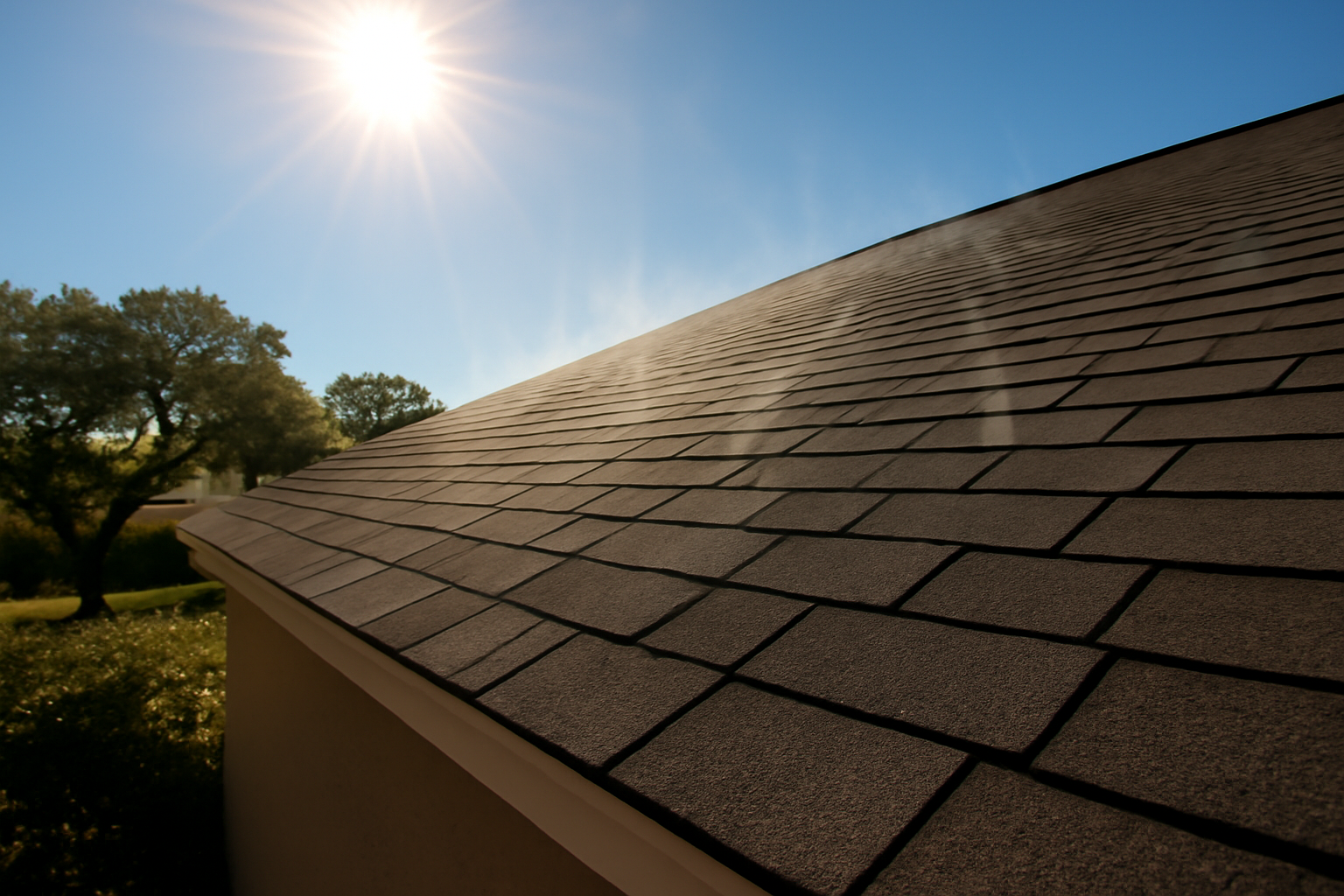
A roof in Minneapolis and a roof in San Antonio might carry the same manufacturer warranty — but they don't live the same life. When your shingles sit under 100°F+ surface temperatures for four or five months straight, the aging process accelerates dramatically. We've pulled shingles off 12-year-old roofs in Stone Oak that looked like they'd been up for 20. The culprit isn't always a single catastrophic storm. More often, it's the slow, relentless grind of Texas summer heat doing what it does best: breaking things down.
What Heat Actually Does to Roofing Materials
Understanding the mechanics matters because it changes how you prioritize maintenance. Heat damages your roof through three overlapping processes:
- UV degradation. Ultraviolet radiation breaks down the chemical bonds in asphalt shingles, causing the oils that keep them flexible to evaporate. This is why old shingles curl, crack, and become brittle. San Antonio averages roughly 220 sunny days per year — that's a lot of UV exposure compared to national averages.
- Thermal cycling. Even in summer, roof surface temperatures can swing 50-70°F between a hot afternoon and a cooler night. That expansion and contraction loosens fasteners, breaks sealant strips, and widens small cracks over time. Think of it as your roof "breathing" — and each breath costs a little structural integrity.
- Granule loss. The protective granules on asphalt shingles are your roof's sunscreen. Heat and thermal cycling accelerate granule shedding. Once those granules are gone, the underlying asphalt layer is exposed directly to UV, and degradation speeds up exponentially.
- Attic heat buildup. If your attic ventilation is inadequate — and in San Antonio, we see this constantly — trapped heat cooks your roof from underneath while the sun cooks it from above. Attic temperatures can exceed 150°F in poorly ventilated homes, baking the underside of your decking and shortening the roof's lifespan by years.
Which Roof Types Suffer Most (and Least)
Not all materials respond to heat equally. Standard three-tab asphalt shingles are the most vulnerable — they're thinner, lose granules faster, and have fewer layers of protection. Architectural (dimensional) shingles hold up better but still degrade under sustained Texas heat.
Metal roofing handles heat significantly better. It reflects more solar radiation, doesn't lose granules (obviously), and the expansion/contraction is managed by the panel design. Tile roofing also performs well — the airspace between tiles and decking provides natural insulation. That said, the underlayment beneath tile can still degrade from attic heat if ventilation is poor.
Flat roofing systems like TPO and modified bitumen are engineered for UV and heat, but they require proper installation and maintenance. We see a lot of flat roofs on San Antonio commercial buildings where the membrane is fine but the seams have failed because of thermal movement.
Month-by-Month Summer Roof Checklist for San Antonio
Here's what to do and when, tailored to our local climate:
May: Pre-Summer Inspection
Before the real heat arrives, schedule a free roof inspection. This is when you want to catch winter storm damage, any issues from spring hail season, and existing wear. Specifically ask about granule loss, sealant condition on pipe boots, and attic ventilation. If your ridge vents or soffit vents are blocked, fix them now — before your attic becomes an oven.
June: Check Your Attic
On a hot afternoon, go into your attic (carefully, and briefly). If you can't stand the heat within 30 seconds, your attic ventilation likely isn't adequate. Look for daylight through the decking, dark stains that suggest moisture issues, and compressed or displaced insulation. Poor ventilation doesn't just age your roof — it drives up your cooling bills significantly.
July: Monitor From the Ground
You don't need to climb up in July heat (please don't). Walk your yard and look at your gutters and downspouts. If you see piles of granules — more than a light dusting — your shingles are shedding faster than normal. Also check for visible curling or buckling along the roof edges. These are early signs that heat damage is accumulating.
August: Prepare for Storm Season Overlap
Late summer in San Antonio often brings pop-up thunderstorms and occasional hail. A heat-weakened roof is far more vulnerable to storm damage than a healthy one. Shingles that have lost granules and flexibility crack and break on impact instead of absorbing it. If you identified issues earlier in the summer, August is your deadline to get roof repair done before storm season peaks.
September: Post-Summer Assessment
Once temperatures start dropping (relatively speaking — we're talking low 90s), get another inspection to see how your roof survived the summer. This is especially important for roofs over 10 years old. The cumulative damage from one more Texas summer might be the tipping point between a repair and a full roof replacement.
The Hidden Cost of Doing Nothing
The most expensive roofing decision in San Antonio is ignoring gradual heat damage. A roof that could have been extended two or three years with minor repairs and ventilation improvements instead fails prematurely, costing $8,000-$15,000+ for a full replacement. We've seen homeowners in Alamo Heights and Stone Oak lose three to five years of roof life simply because their attic ventilation was insufficient and nobody caught it.
Heat damage also complicates insurance claims. Adjusters can (and do) distinguish between storm damage and wear-related deterioration. If your roof was already compromised by years of heat exposure, your claim for hail damage might get reduced or denied because the adjuster attributes the condition to "normal wear and tear." Staying ahead of maintenance protects your insurance position too.
Smart Upgrades That Fight Heat
If you're planning a roof replacement, consider heat-specific upgrades:
- Radiant barrier decking. OSB with a reflective foil layer on the attic side. It can reduce attic temperatures by 15-20°F and is a relatively inexpensive upgrade during a reroof.
- Cool-rated shingles. Many manufacturers now offer shingles with reflective granules that meet ENERGY STAR standards. They reduce heat absorption measurably — especially helpful for lighter-colored roofs.
- Upgraded ridge ventilation. Proper ridge-to-soffit airflow is the single most impactful change for roof longevity in our climate. We install this on virtually every replacement we do.
- Impact-resistant shingles. Class 4 IR shingles are thicker and more flexible, which also helps them resist thermal cycling better. Plus, most Texas insurers offer premium discounts for IR-rated roofs.
Don't let another summer silently shorten your roof's life.
Wannamaker Roofing offers free roof inspections across San Antonio and the surrounding Hill Country. We'll check your shingles, ventilation, and overall condition — and give you an honest assessment of where things stand. No pressure, no scare tactics. Just straight answers from a local crew that's been doing this since 2012.
Texas heat isn't something you can avoid — but the damage it does to your roof isn't inevitable either. A little attention at the right times goes a long way. And when the roof does need work, catching it early almost always means a cheaper, simpler fix.