Roof Permits & Inspections in San Antonio | Wannamaker
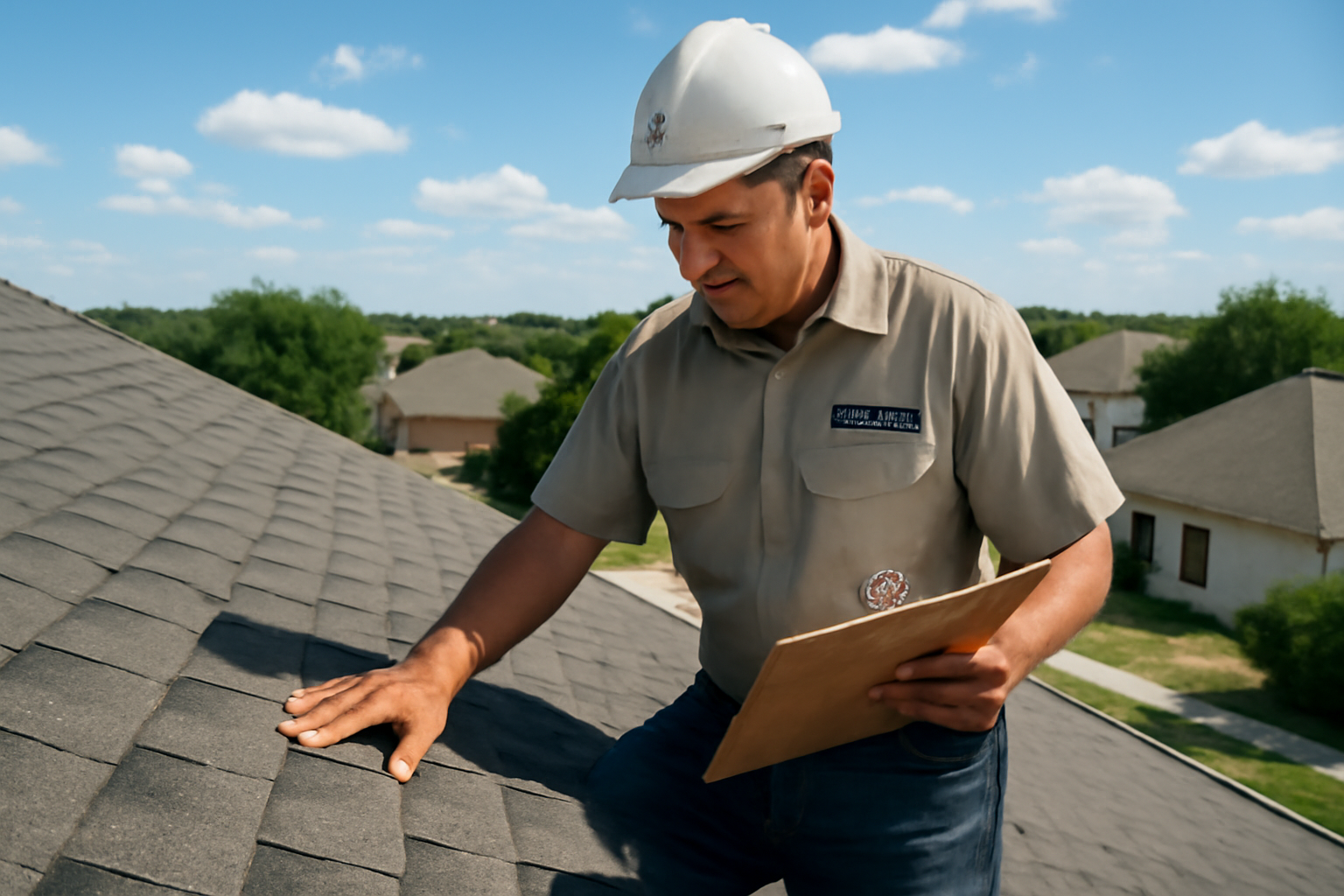
We get this question at least twice a week: "Do I really need a permit just to fix my roof?" The short answer is — it depends on the scope of work. But the consequences of guessing wrong aren't trivial. The City of San Antonio's Development Services Department can issue stop-work orders, require tear-offs of non-compliant work, and levy fines. Worse, unpermitted work can void your manufacturer warranty and create title problems when you sell. Let's walk through exactly what requires a permit, what doesn't, and what happens during a roof inspection in Bexar County.
When San Antonio Requires a Roof Permit
Under the City of San Antonio's building code (which follows the International Residential Code with local amendments), a permit is required for most roofing work that involves structural changes or a full re-roof. Here's the breakdown:
- Full roof replacement. Whether you're tearing off old asphalt shingles and installing new ones, switching to metal roofing, or upgrading to tile roofing, a permit is required.
- Re-decking or structural repairs. If your decking is rotted, sagging, or storm-damaged and needs replacement, that's structural work — permit required.
- Adding or modifying penetrations. New skylights, solar panel mounts that alter the roof structure, or changes to ventilation openings all trigger a permit.
- Overlay (second layer). Even adding a second layer of shingles over an existing layer requires a permit in San Antonio, because the city needs to verify the structure can handle the added weight.
What Typically Doesn't Need a Permit
Minor repairs — patching a small leak, replacing a handful of damaged shingles after a hailstorm, re-sealing flashing, or cleaning gutters — generally don't require a permit. The rule of thumb the city uses is whether the work is "ordinary maintenance" or a "repair" versus a "replacement." If you're touching less than roughly 25% of the roof area and not altering the structure, you're usually in the clear. But "usually" is doing a lot of heavy lifting in that sentence. When in doubt, call 311 or check with your contractor before work begins.
Who Pulls the Permit — You or the Contractor?
This is where a lot of homeowners get tripped up. Technically, a homeowner can pull their own permit for work on their primary residence. But in practice, your roofing contractor should be pulling the permit under their license. Here's why that matters:
- Accountability. When the contractor pulls the permit, they're on record as the responsible party. If the inspection fails, it's their problem to fix — not yours.
- Insurance alignment. If you're filing an insurance claim for storm damage, carriers like USAA, State Farm, and Amica expect permitted work. Unpermitted repairs can give an adjuster a reason to deny or reduce your claim.
- Red flag detection. If a contractor refuses to pull a permit or says "we don't need one" for a full replacement, that's one of the clearest warning signs you're dealing with a fly-by-night operation. Licensed San Antonio roofers know the process and budget the $75–$200 permit fee into the job.
What Happens During a City Roof Inspection
Once the permit is pulled and the work is complete (or at a required midpoint — more on that below), the city sends an inspector. In San Antonio, roof inspections typically cover these items:
- Decking condition. The inspector verifies that the roof deck is properly fastened and that any rotted or damaged sections were replaced with code-compliant material (typically 7/16" or 1/2" OSB or plywood).
- Underlayment and ice/water shield. San Antonio doesn't require ice-and-water shield in most cases (we don't have the freeze-thaw cycles of northern states), but proper synthetic or felt underlayment must be installed per manufacturer specs.
- Fastener pattern. High-wind zones require specific nail patterns. Bexar County falls under a wind speed design of 115 mph per the 2021 IRC, which dictates how many nails per shingle and the placement pattern.
- Flashing and penetrations. Every pipe boot, chimney, wall intersection, and valley must have properly installed flashing. This is where a surprising number of roofs fail inspection.
- Ventilation. The inspector checks that intake and exhaust ventilation meet the 1:150 or 1:300 ratio requirements, depending on whether a vapor barrier is present.
- Drip edge. Required along eaves and rakes. It's a small detail, but missing drip edge is a common inspection failure.
Midpoint vs. Final Inspections
For some projects — particularly re-decking or structural modifications — the city may require a midpoint inspection before the roofing material goes on. This lets the inspector verify the deck and underlayment before everything gets covered up. Your contractor should know whether a midpoint inspection is required and schedule accordingly. At Wannamaker, we coordinate all inspection scheduling so you don't have to make those calls yourself.
What a Failed Inspection Means for You
If the city inspector finds a code violation, they'll issue a correction notice. Your contractor has a window (usually 30 days) to fix the issue and call for a re-inspection. Common failures we see around San Antonio and surrounding areas like Stone Oak, Boerne, and New Braunfels include improper nail depth, missing starter strip, and inadequate attic ventilation.
The real risk isn't the re-inspection — it's hiring a contractor who disappears after the failure. A reputable local company will correct the work at no additional cost. A storm chaser from out of state? Good luck tracking them down.
How Permits Affect Your Roof Replacement Cost
Permit fees in San Antonio for residential roofing typically run between $75 and $200, depending on the scope. That's a rounding error on a roof replacement cost that typically ranges from $8,000 to $25,000 or more. Any contractor who suggests skipping the permit to "save you money" is really saving themselves the hassle — and transferring all the risk to you.
The Bottom Line on Permits
Permits exist to protect you, not to create bureaucracy. They ensure the work meets wind-load requirements for our region, that materials are properly installed, and that there's a paper trail proving the work was done right. When it comes time to sell your home, that permit record shows up in the property history — and its absence can raise questions with buyers and their inspectors.
Not sure if your roof project needs a permit?
Schedule a free roof inspection with Wannamaker Roofing. We'll assess the scope of work, explain exactly what permits and inspections apply, and handle all the paperwork so you don't have to navigate the city's process alone. We've been doing this in San Antonio since 2012 — we know the inspectors, the code, and the process inside and out.
Whether you need a minor roof repair or a full roof replacement, understanding the permit and inspection process puts you in a stronger position to evaluate contractors, protect your investment, and avoid surprises. The best roofers don't cut corners on code compliance — they build their reputation on it.