Post-Tornado Roof Inspection Priorities | Wannamaker
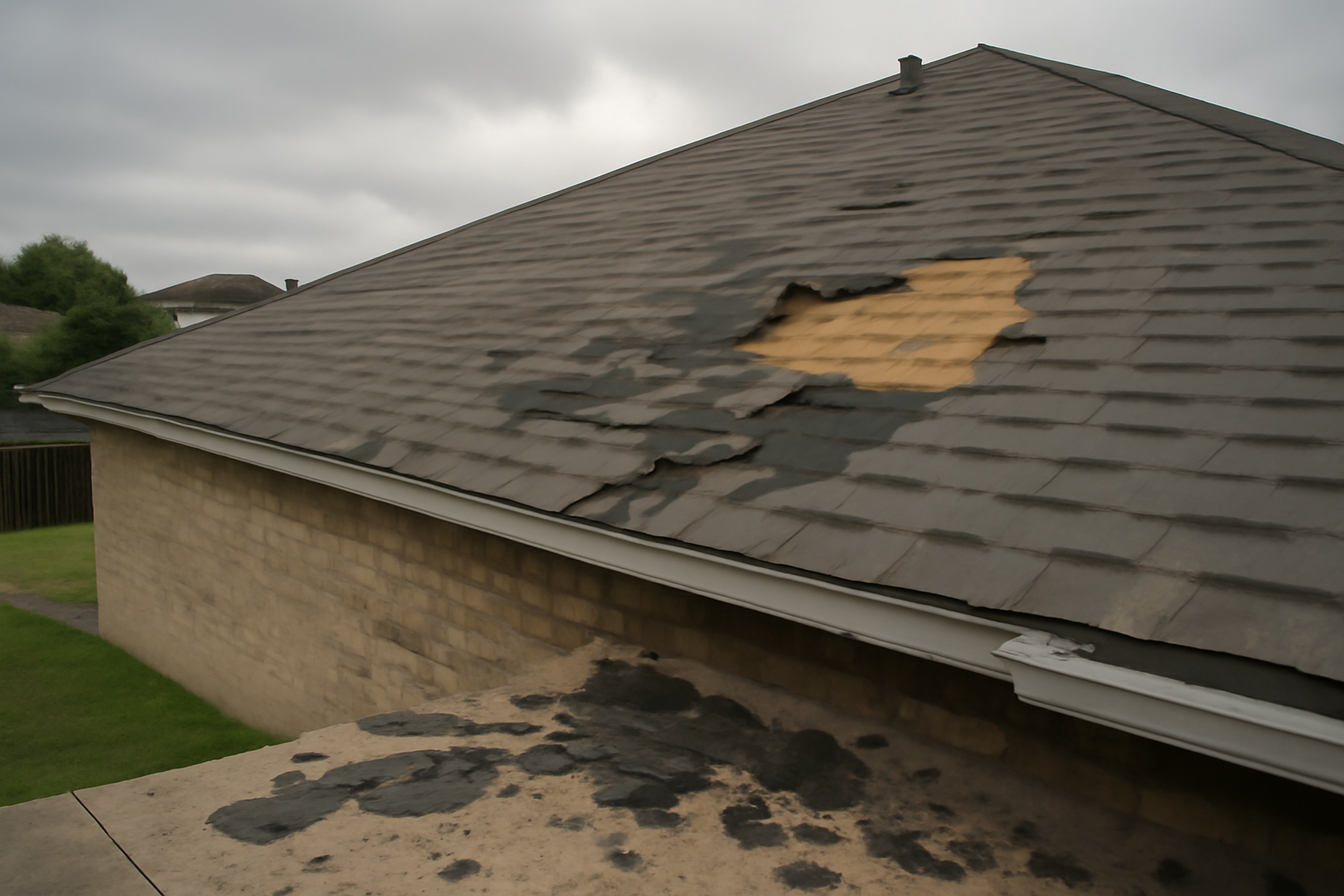
The sirens have stopped. You walk outside, and your street looks like someone threw a blender at it. Trees down, fence panels in your neighbor's yard, shingles scattered across the lawn. Your roof took a hit — but how bad? And what do you do first? The decisions you make in the next 24 to 72 hours after a tornado will determine whether your home stays protected, whether your insurance claim gets paid, and whether you avoid a five-figure bill that didn't need to happen.
Priority 1: Personal Safety — Stay Off the Roof
This one sounds obvious, but we see it after every major storm in San Antonio and the surrounding Hill Country: homeowners climbing ladders within an hour of the tornado passing. Don't. Tornado-damaged roof decking can be compromised in ways that aren't visible from above. Rafters crack, trusses shift, and saturated sheathing can give way under your weight. With the flash flood warnings that recently hit Bexar, Comal, Kendall, and Medina counties, wet conditions make damaged roofs even more treacherous.
Instead, do a ground-level assessment. Walk the perimeter of your home and look for:
- Missing or displaced shingles. Count the bare spots you can see. Even a handful of missing shingles can expose your decking to water infiltration within hours.
- Sagging or bowed sections. If any part of your roofline looks uneven compared to before the storm, structural damage is likely.
- Debris penetration. Tree limbs, fence boards, or other projectiles embedded in the roof surface need immediate attention.
- Flashing damage. Check around chimneys, vents, and wall-to-roof transitions for bent or missing metal.
- Gutter displacement. Gutters ripped away from the fascia often indicate the roof edge took significant uplift force.
Priority 2: Emergency Tarping and Water Mitigation
If you can see daylight through your attic or water is actively entering your home, you need an emergency tarp — now. Not tomorrow, not when the adjuster shows up. San Antonio storms rarely come alone, and with the recent flash flood activity across Bexar and surrounding counties, another round of heavy rain could be hours away.
Call a licensed roofer for emergency tarping rather than attempting it yourself. A professional tarp job typically costs $300–$800 depending on the area that needs coverage, and most insurance policies cover this as part of your storm damage claim. Save every receipt — your carrier will reimburse reasonable mitigation expenses, and failing to mitigate can actually reduce your payout.
While you're inside, check every ceiling in your home for water stains, bubbling paint, or soft spots. Open the attic hatch if it's safe and look for daylight penetration or wet insulation. These interior observations become critical documentation for your claim.
Priority 3: Document Everything Before Touching Anything
This is where most homeowners leave money on the table. Before you clean up a single piece of debris, before you sweep the driveway, before you pull that tree branch off your garage roof — photograph and video everything.
Here's what thorough documentation looks like:
- Wide-angle shots of each side of the house. These establish the overall scope of damage.
- Close-ups of every damaged area. Get shingle creases, torn felt paper, dented flashing, and broken tiles individually.
- Interior damage photos. Water stains on ceilings, wet carpet, damaged belongings — all of it.
- Fallen debris with context. Photograph shingles or roofing materials on the ground near your house so the origin is clear.
- Date-stamped video walkthrough. Narrate what you see. Your phone timestamps everything automatically.
This documentation protects you if there's any dispute about the extent of damage or when it occurred. Carriers like USAA, State Farm, and Allstate — all major players in the San Antonio market — process tornado claims faster when the documentation is thorough from day one.
Priority 4: File Your Insurance Claim Immediately
Don't wait for a roofer's estimate before calling your carrier. File the claim the same day if possible. After a tornado, adjusters get overwhelmed — we've seen wait times stretch to three or four weeks in the San Antonio metro after major events. The sooner you're in the queue, the sooner your adjuster arrives.
When you file, mention that you've already taken mitigation steps (tarping) and have photographic documentation. This signals to your carrier that you're a prepared, organized claimant — and in our experience, those claims move faster and settle more fairly. If you need guidance navigating the process, our team handles insurance claims regularly and can walk you through what to expect.
Priority 5: Get a Professional Roof Inspection
A ground-level assessment tells you the obvious damage. A professional inspection tells you everything else — and after a tornado, it's the hidden damage that ruins your year. Lifted shingles that re-sealed but lost their adhesive bond. Cracked decking under intact shingles. Shifted ridge caps. Compromised boot seals around pipe penetrations. None of this is visible from the ground.
Schedule a free roof inspection with a licensed local contractor — not a storm chaser from out of state who showed up with a magnetic truck sign. After every major storm event, San Antonio gets flooded with out-of-town crews. Some are legitimate. Many aren't. A local contractor who's been here through every hail season and tornado warning has a reputation to protect and a business to maintain. That matters when your roof needs warranty work two years from now.
The inspection report should detail every area of damage, include photos, and provide a scope of work that matches what your adjuster will need. If the damage warrants a full roof replacement, you'll want that scope documented before the adjuster's visit so your contractor can supplement if the initial estimate comes in low.
What Tornado Damage Looks Like vs. Hail Damage
Tornadoes and hailstorms often travel together, but the damage patterns differ. Tornado damage is primarily uplift and displacement — shingles peeled back, decking exposed, entire sections of roofing removed. Hail damage shows up as impact marks — bruised shingles, dented vents, cracked tile roofing. Your roof may have both, and your claim should account for both. An experienced inspector knows the difference and documents each type separately so your adjuster can't lump them together or dismiss one.
Need a Post-Storm Inspection?
If your property took tornado or wind damage in the recent storms across Bexar, Comal, Kendall, or Medina counties, don't wait for your insurance adjuster to tell you what happened. Get an independent, professional assessment first. Wannamaker Roofing offers free roof inspections with detailed documentation you can use for your claim. We've been in San Antonio since 2012, and we're not going anywhere after the storm passes. Call us or schedule online today.
The Bottom Line: Speed and Documentation Win
After a tornado, the homeowners who come out ahead aren't the ones who panic or the ones who wait. They're the ones who act methodically: stay safe, stop the water, document the damage, file the claim, and get a professional on the roof. Every hour you delay tarping is an hour of potential water damage. Every photo you don't take is leverage you lose at the negotiating table. Every week you wait to file is another week deeper in the adjuster's queue.
San Antonio sits in one of the most active severe weather corridors in Texas. If you live in Stone Oak, Helotes, Boerne, or anywhere in the metro, tornado damage isn't a matter of if — it's when. Knowing your priorities before the storm hits means you're ready to act when it does.