Freeze Events & Your San Antonio Roof | Wannamaker
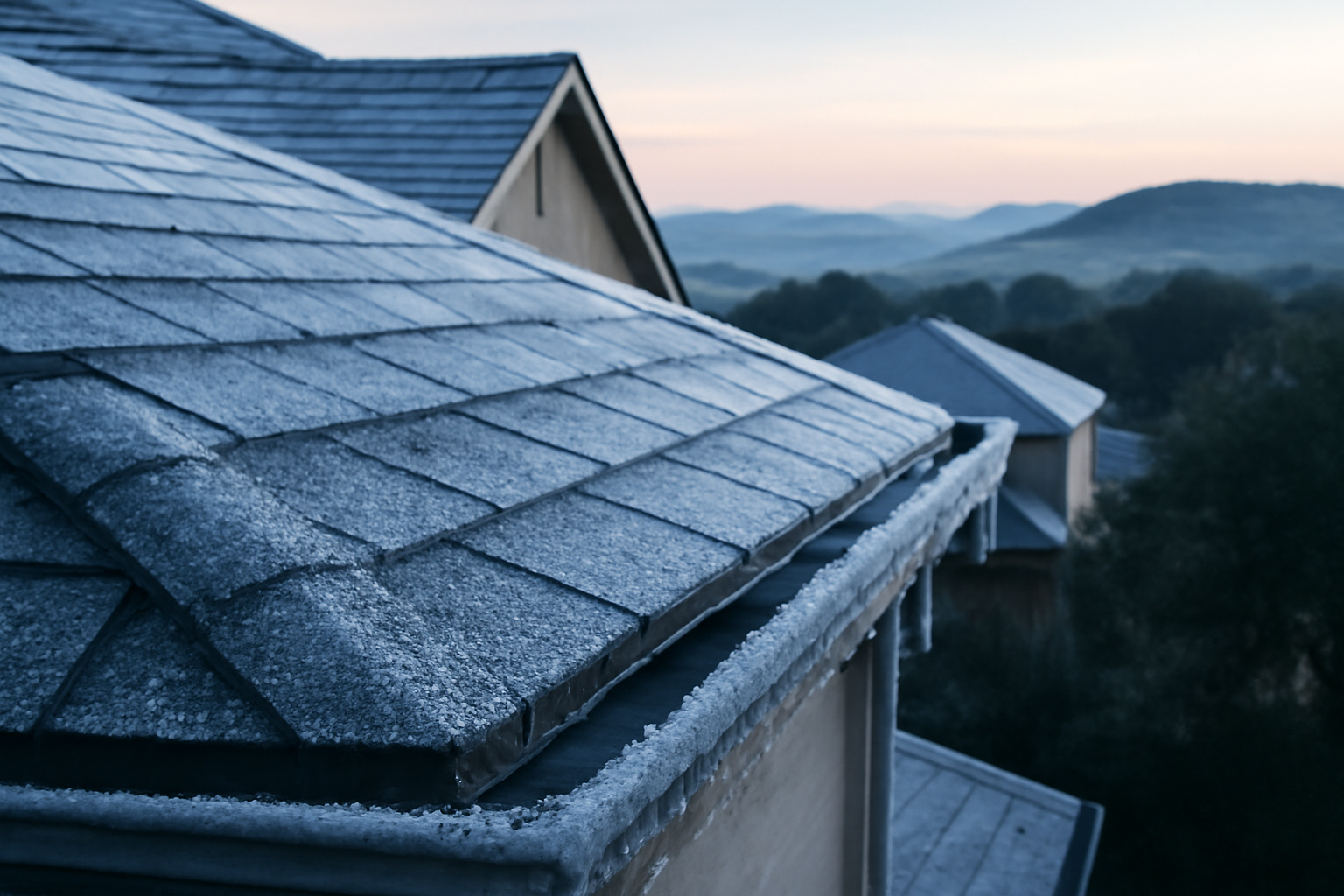
San Antonio homeowners don't think about freezing weather — until the pipes burst, the power goes out, and the roof starts leaking in places it never has before. We average a handful of nights below 32°F each winter, and every few years we get a hard freeze that drops into the teens or single digits. Winter Storm Uri in February 2021 proved that even a "warm climate" city can face catastrophic cold. Your roof is the first thing standing between that cold and everything you own. Here's what actually happens to your roof during a freeze, and what to do about it — broken down by the calendar so you're never caught flat-footed.
Why Freezing Weather Damages San Antonio Roofs
Roofing systems in Central Texas are designed for heat, UV exposure, and hail — not sustained freezing. That's exactly what makes freeze events so destructive here. The damage mechanisms are different from what you'd see in Minnesota or Michigan, because our roofs aren't built to handle them repeatedly.
The Freeze-Thaw Cycle
San Antonio's freeze events are rarely sustained. Temperatures might drop to 25°F overnight and climb back to 50°F by afternoon. That rapid swing is worse than steady cold. Water seeps into hairline cracks in tile roofing, mortar joints, and flashing seals during the day, then expands as it freezes overnight. Each cycle widens those cracks. After three or four nights of this, you've got gaps that weren't there before — and they'll leak during the next rain.
Ice Damming (Yes, Even Here)
Ice dams aren't just a northern problem. When freezing rain or sleet accumulates on a roof — especially a low-slope or flat roofing system — and your attic heat melts it from below, the water refreezes at the eaves. This creates a dam that forces water back under shingles and into the decking. During Uri, we saw ice dams on homes across Stone Oak, Alamo Heights, and Boerne that the homeowners never imagined possible.
Thermal Shock to Materials
Asphalt shingles become brittle below freezing. If wind accompanies the cold snap — and it usually does — shingle tabs can crack or lift in ways they wouldn't at 70°F. Metal roofing panels expand and contract with temperature swings, stressing fasteners and seam connections. Even asphalt shingle sealant strips can fail when the adhesive is repeatedly frozen and thawed.
Month-by-Month Freeze Protection Checklist
Timing matters. Here's when to do what, based on how San Antonio winters actually play out.
October – November: Prepare
- Clean gutters and downspouts. Clogged gutters are the number-one contributor to ice damming. Remove leaves, check that downspouts drain away from the foundation, and confirm all gutter connections are tight.
- Schedule a free roof inspection. A professional eye catches cracked flashing, lifted shingles, and sealant failures that are invisible from the ground. Fixing a $200 flashing repair in November prevents a $2,000 interior leak in January.
- Check attic insulation and ventilation. Proper attic airflow keeps your roof deck temperature closer to the outside air, reducing the melt-refreeze cycle that causes ice dams. San Antonio attics should have at minimum R-38 insulation.
- Trim overhanging branches. Ice-loaded limbs snap. A branch that falls three feet onto your roof can puncture shingles, crack tiles, or dent metal panels.
December – February: Monitor and Respond
- Watch for freeze warnings. The National Weather Service issues freeze warnings for the San Antonio area when temps are expected to hit 32°F or below. Hard freeze warnings mean 28°F or below — that's when real roof damage starts.
- Never try to remove ice from your roof yourself. Chipping ice off shingles destroys the granule surface. Pouring hot water creates more ice. If you see ice buildup, document it with photos and call a professional.
- Check your attic during or right after a freeze. Look for moisture on the underside of the roof deck, frost on nail tips, or damp insulation. These are early signs of condensation or a leak before it reaches your ceiling.
- Document everything for insurance. If you see damage — cracked tiles, displaced flashing, water stains — photograph it immediately with a timestamp. Your insurance claim will go much smoother with dated evidence.
March: Assess and Repair
- Schedule a post-winter inspection. Freeze damage often doesn't show up until the first heavy spring rain. A roof inspection in early March catches problems before San Antonio's storm season kicks in around April.
- Address small repairs immediately. Cracked caulk, popped nails, and minor flashing gaps are cheap fixes now. Leave them for storm season and you're stacking freeze damage on top of wind and hail damage — a recipe for a full roof replacement conversation.
- Review your insurance policy. Many San Antonio homeowners don't realize that freeze-related roof damage may be covered under their homeowners policy, especially if the damage leads to interior water intrusion. Don't assume it isn't covered — file and let the adjuster decide.
The Damage You Won't See Until Spring
Here's the thing most roofers won't tell you: the worst freeze damage is invisible for weeks. A freeze-thaw cycle can compromise the waterproof integrity of your underlayment without leaving any visible exterior damage. The shingles look fine. The flashing looks fine. But the felt or synthetic underlayment beneath has been saturated, frozen, expanded, and weakened. You won't know until a spring thunderstorm pushes wind-driven rain under those healthy-looking shingles and into your living room.
This is why we strongly recommend a post-freeze inspection even when your roof "looks fine" from the curb. We see this pattern every year across San Antonio, Boerne, and New Braunfels — homeowners who skip the March inspection and end up calling in May with water stains on their ceilings.
Roof Types and Freeze Vulnerability
Not all roofing materials respond to freezing the same way. Here's a quick breakdown:
- Asphalt shingles. Most vulnerable to granule loss and tab cracking in freeze-thaw cycles. Older shingles (15+ years) are significantly more at risk.
- Clay and concrete tile. Porous by nature. Water absorption followed by freezing can crack tiles from the inside out. Hairline cracks are hard to spot without a hands-on inspection.
- Standing seam metal. Best performer in freeze events. Panels shed ice naturally and fastener systems accommodate thermal expansion. Not immune — but the most resilient option for Hill Country winters.
- Flat/low-slope (TPO, modified bitumen). Highest ice dam risk due to geometry. Ponding water that freezes can stress seams and membrane adhesion. Drainage is everything.
Don't Wait for the Leak
If your roof has been through one or more freeze events this winter — or if it's been more than a year since your last inspection — now is the time to get ahead of the damage. Wannamaker Roofing offers a thorough free roof inspection that covers freeze damage, flashing integrity, ventilation, and gutter condition. We'll give you an honest assessment — no pressure, no upsell. Schedule yours before storm season hits.
The Bottom Line
San Antonio doesn't freeze often, but when it does, roofs pay the price — especially roofs that were already aging or had minor issues going into winter. The homeowners who come through freeze events without expensive surprises are the ones who clean their gutters in October, get an inspection before the cold hits, and follow up again in March. It's not glamorous. It's not complicated. But it works, and it'll save you thousands compared to ignoring freeze damage until it becomes a roof replacement cost conversation.