Diminished Value on Premium Roof Claims | Wannamaker
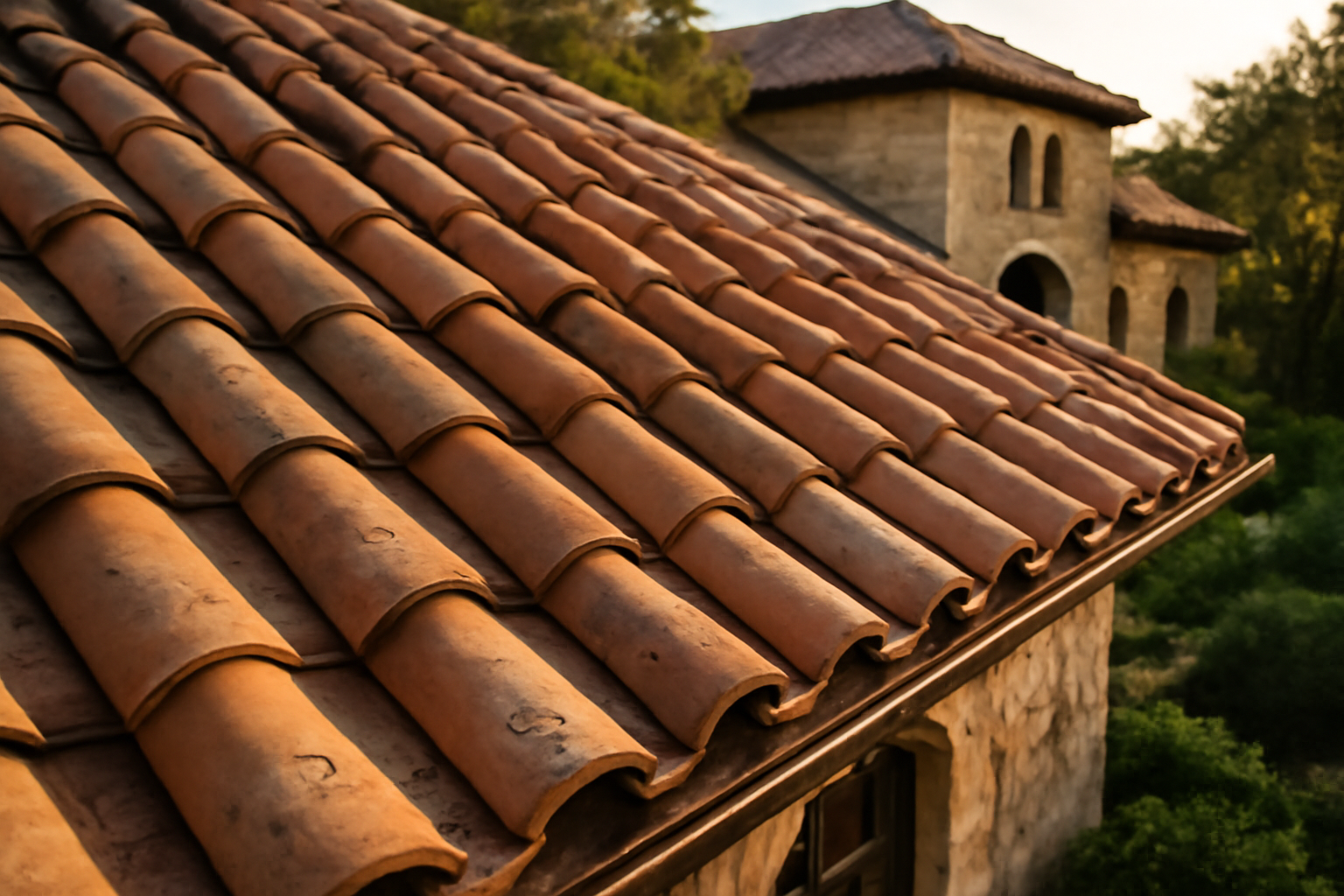
You invested in a premium roof — maybe hand-set clay tile, natural slate, or standing seam copper — because you wanted something that would outlast the house and elevate its curb appeal. Then a spring hailstorm rolls through Alamo Heights or Stone Oak, and suddenly your insurer is talking about "comparable repairs" that involve patching, color-matching, and cutting corners. Even if they pay for the repair, your roof isn't the same. Its structural integrity might be intact, but its value has diminished. That gap between what your roof was worth before the storm and what it's worth after a repair is called diminished value — and in Texas, you may have the right to recover it.
What Is Diminished Value on a Roof Claim?
Most people associate diminished value with car insurance — you get rear-ended, the body shop fixes it, but the car's resale value still drops because of its accident history. The same principle applies to real property, especially premium roofs. A repaired tile roofing system that once had a uniform, factory-original appearance now has replacement tiles that may not perfectly match the originals in color, texture, or aging patina. A slate roofing system with replaced sections loses the continuity that made it valuable in the first place.
Here's the uncomfortable truth: insurance adjusters are trained to settle claims for the least amount possible. They'll approve a repair scope that makes the roof "functional" — which is not the same as making you whole. On a $15,000 asphalt shingle roof, the difference might be negligible. On a $40,000 to $80,000 premium roof system, that gap can be tens of thousands of dollars.
Why Premium Roofs Are Uniquely Vulnerable
Not all roofing materials respond to storm damage the same way. Here's why high-end systems carry more diminished value risk:
- Color and patina mismatch. Natural materials like clay tile and slate develop a unique weathered appearance over time. New replacement tiles stand out visually, even from the street. This is especially conspicuous on homes in neighborhoods like Alamo Heights, Terrell Hills, and the Dominion where curb appeal directly impacts property value.
- Discontinued product lines. Manufacturers regularly retire tile profiles and slate cuts. If your specific product is no longer available, a "comparable" replacement is exactly that — comparable, not identical. An appraiser will notice.
- Underlayment and deck integrity. Premium roofs often use specialized underlayment systems. Partial tear-off and repair can compromise the continuity of the waterproofing layer in ways that aren't visible but affect long-term performance.
- Resale perception. Buyers and their inspectors will flag a repaired premium roof. A disclosure that the roof sustained hail damage — even if repaired — can reduce offers by 3-7% on high-value homes.
How Texas Law Handles Diminished Value
Texas doesn't have a specific statute that says "insurers must pay diminished value on roof claims." But the Texas Insurance Code requires carriers to pay the actual cash value or replacement cost value of the loss, depending on your policy. If a repair doesn't restore your property to its pre-loss condition and value, you have a legitimate basis to argue that the claim wasn't fully settled.
The key legal concept is indemnification — being made whole. If your premium roof was worth $60,000 before the storm and the repaired version is worth $45,000, you haven't been made whole. You're owed the difference.
This gets complicated fast. Most standard HO-1 and HO-3 policies in Texas cover the dwelling at replacement cost, but carriers will argue that a functional repair satisfies that obligation. To push back effectively, you typically need:
- A detailed inspection report. Not a quick drive-by — a thorough, documented roof inspection that catalogs every area of damage with photos, measurements, and material identification.
- An independent appraisal. A certified property appraiser who can quantify the before-and-after value difference specific to your roof system and neighborhood.
- A contractor estimate for full restoration. Not just repair — what would it actually cost to return the roof to its pre-storm condition? If that means full roof replacement because partial repairs can't restore the system, that number matters.
The Appraisal Clause: Your Best Tool
Almost every homeowner's policy in Texas includes an appraisal clause. If you and your insurer disagree on the value of the loss, either party can invoke this clause. Each side hires an appraiser, and the two appraisers select an umpire. If the appraisers can't agree, the umpire breaks the tie. The result is binding.
For premium roof claims, the appraisal process frequently results in significantly higher payouts than the carrier's initial offer. We've seen cases in the San Antonio market where initial offers on tile roofing claims were 40-60% below what the appraisal process ultimately awarded. The catch: you need to have your documentation airtight before invoking it.
What You Should Do After Storm Damage to a Premium Roof
If you own a home in Stone Oak, Alamo Heights, Boerne, or anywhere in the Hill Country with a premium roof system, here's the sequence that protects your interests:
- Document everything immediately. Photos from the ground and drone shots if possible. Date-stamped. Before any temporary repairs.
- Get an independent inspection before filing. Having a qualified contractor's report in hand before the adjuster arrives puts you in a stronger negotiating position. You'll know what the damage actually looks like, not just what the adjuster decides to write up.
- Don't accept the first offer. On premium roofs, initial estimates almost always undervalue the loss. Carriers use Xactimate pricing that's calibrated for standard materials — not imported Spanish barrel tile or Vermont slate.
- Ask about diminished value explicitly. Most adjusters won't bring it up. You need to raise it, in writing, as part of your claim.
- Consider a public adjuster or attorney for large claims. On claims exceeding $30,000-$40,000, the cost of professional representation often pays for itself many times over.
When Repair Isn't Enough
Sometimes the honest answer is that a premium roof can't be adequately repaired — it needs to be replaced. If more than 20-30% of a tile or slate field is damaged, most manufacturers and industry standards recommend full replacement rather than piecemeal repair. The reason is practical: every tile you pull up to replace risks cracking adjacent tiles, and the cumulative effect of extensive spot repairs compromises the entire system. If your contractor or adjuster is pushing a repair-only scope on extensive damage, get a second opinion from someone who specializes in your roof type.
Own a premium roof that took storm damage?
Before you accept your carrier's estimate, get an independent assessment of what it will actually take to restore your roof — not just patch it. Wannamaker Roofing provides thorough free roof inspections with detailed documentation you can use in your insurance claim. We'll tell you straight whether a repair makes sense or whether you're leaving money on the table.
The Bottom Line
Diminished value on premium roof claims is real, it's quantifiable, and most San Antonio homeowners never pursue it because they don't know it exists. Insurance companies aren't in the business of volunteering extra money. If you invested in a roof that was supposed to last 50+ years and look beautiful doing it, don't settle for a patchwork repair that leaves you with a lesser product and a lower home value. Know your rights, document your loss, and work with people who understand premium roofing systems — not just how to nail on shingles.