Copper vs Aluminum vs Galvanized Flashing | Wannamaker
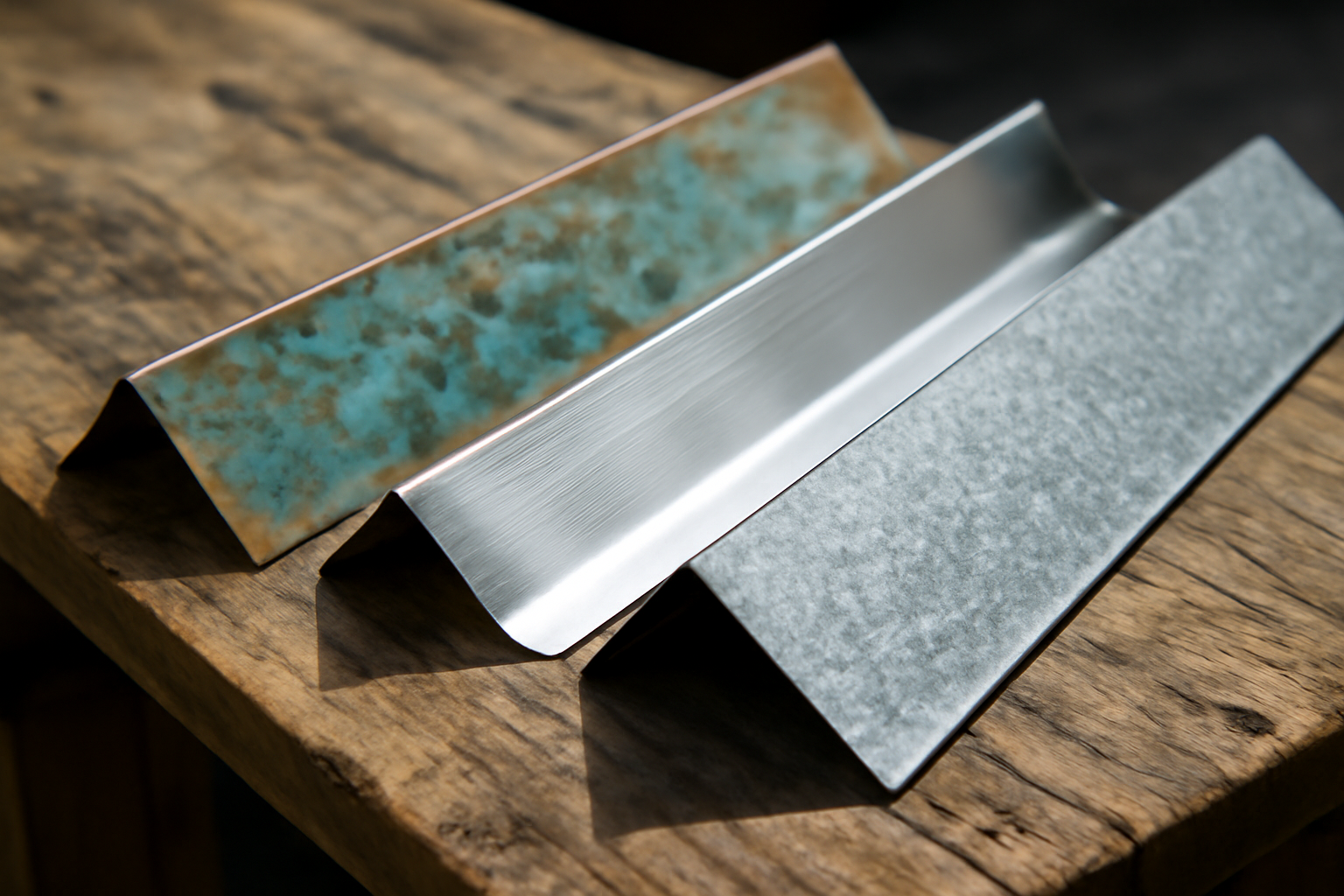
Most homeowners obsess over shingle color or metal panel profiles, then never give a second thought to flashing — the thin metal strips that seal every joint, valley, chimney base, and pipe boot on their roof. That's a mistake. Flashing failures cause the majority of roof leaks we see across San Antonio, and the material you choose matters more than most roofers will tell you. Here's a no-fluff breakdown of the three most common flashing metals: copper, aluminum, and galvanized steel.
What Flashing Actually Does (And Why It Matters)
Flashing bridges the gap wherever your roof surface meets something else — a wall, a chimney, a skylight, a vent pipe, a valley where two slopes converge. These transitions are inherently vulnerable to water intrusion. Flashing creates a watertight seal that directs rainwater away from those joints and back onto the roof surface where it can drain properly.
In San Antonio's climate, flashing endures extreme UV exposure, thermal cycling that can swing 50°F in a single day, hailstorms rolling off the Hill Country, and occasional driving rain. A flashing material that works fine in Portland may corrode, warp, or fatigue here in a fraction of the time. So the "best" flashing depends heavily on where you live — and what you're willing to spend.
Galvanized Steel Flashing: The Workhorse
Galvanized steel is the most commonly installed flashing material in residential roofing across Texas. It's carbon steel coated with a thin layer of zinc to resist corrosion. Here's what you need to know:
- Cost. The cheapest option by a wide margin — typically $1.50–$4 per linear foot installed, depending on gauge and complexity.
- Durability. The zinc coating provides solid protection for 15–25 years in our climate. Once the zinc layer breaks down, corrosion accelerates quickly. You'll see rust streaks on the roof surface before the flashing actually fails structurally.
- Workability. Easy to bend, cut, and solder. Most roofers are comfortable fabricating custom pieces on-site.
- Drawbacks. Galvanic corrosion is the big risk. If galvanized flashing contacts copper or dissimilar metals (common with certain gutter systems), it corrodes much faster. Also, cheaper imported galvanized stock sometimes has thinner zinc coatings that don't hold up as long.
For most asphalt shingle roofs in San Antonio, galvanized steel is a perfectly reasonable choice — assuming it's installed correctly and the shingle system itself will be replaced in 20–30 years anyway. The flashing and the shingles age out on roughly the same timeline.
Aluminum Flashing: Lightweight and Corrosion-Resistant
Aluminum flashing occupies the middle ground between galvanized steel and copper. It's widely available and popular in coastal and humid climates, but it has some trade-offs worth understanding.
- Cost. Typically $2.50–$6 per linear foot installed. Slightly more than galvanized, but not a budget-breaker.
- Corrosion resistance. Aluminum naturally forms an oxide layer that protects it from rust. It won't streak or stain your roof the way galvanized steel eventually does. This makes it a solid pick for tile roofing systems where aesthetics and longevity matter.
- Weight. About one-third the weight of steel, which matters on older structures or large commercial flat roofs.
- Drawbacks. Aluminum is softer. It dents more easily from hail — a real consideration in San Antonio where we see damaging hail events every few years. It also expands and contracts more than steel with temperature swings, which can stress sealant joints over time. And it cannot be soldered the way steel and copper can, so joints rely on mechanical fastening and sealants.
We often recommend aluminum flashing for flat roofing applications and situations where galvanic corrosion with other metals is a concern. It's also a smart choice when you want better longevity than galvanized but can't justify copper pricing.
Copper Flashing: The Premium Standard
Copper is the gold standard of flashing materials — literally the material of choice on historic buildings, high-end custom homes, and any project where you want flashing that outlasts the roof it's installed on.
- Cost. Significantly more expensive — typically $8–$18 per linear foot installed, and higher for complex chimney or dormer flashing. The raw material cost fluctuates with copper commodity prices.
- Longevity. Copper flashing can last 70–100+ years. It develops a green patina over time that actually protects the metal underneath. You'll see copper flashing on buildings that have been re-roofed three or four times — the flashing stays.
- Workability. Copper is highly malleable and can be soldered for watertight joints. Skilled sheet metal workers can fabricate beautiful custom pieces.
- Drawbacks. Cost is the obvious barrier. Also, copper runoff can stain light-colored roofing materials and painted surfaces green. And here's the big one: copper causes galvanic corrosion in aluminum and galvanized steel. You cannot mix copper flashing with aluminum gutters or galvanized components without an isolation barrier. This is a mistake we see on San Antonio homes more often than you'd think.
Copper makes the most sense on slate roofing or premium standing seam metal installations where the roof itself will last 50+ years. Pairing a 50-year roof with 20-year galvanized flashing is a recipe for a premature tear-off.
The Galvanic Corrosion Problem — Don't Mix Metals
This is the single most important thing to understand about flashing selection: dissimilar metals in contact with each other — especially in the presence of moisture — will corrode. Copper is the most "noble" of the three, meaning it accelerates corrosion in aluminum and galvanized steel when they touch. Aluminum and galvanized steel are closer together on the galvanic scale but can still cause problems.
The practical rule: match your flashing metal to your gutter metal, and use isolation barriers (rubber, plastic, or stainless steel separators) wherever different metals must meet. If your roofer doesn't mention galvanic corrosion during the estimate, that's a red flag.
Which Should You Choose in San Antonio?
Here's our honest recommendation based on thousands of roofs across San Antonio, Boerne, New Braunfels, and the surrounding Hill Country:
- Standard asphalt shingle roof (20-30 year system): Galvanized steel flashing is perfectly adequate. It matches the lifespan of the roof and keeps costs reasonable.
- Mid-range upgrade or tile roof: Aluminum flashing. Better corrosion resistance, longer lifespan, and a cleaner look under tile edges.
- Premium metal, slate, or 50+ year system: Copper. The upfront cost is real, but replacing flashing on a slate roof is expensive and disruptive. Spend once.
- Storm damage repair or partial re-flash: Match whatever's already on the roof. Mixing metals during a storm damage repair is a common shortcut that creates long-term problems.
A Note on "Painted" and "Coated" Flashing
You'll sometimes see pre-painted aluminum or color-coated galvanized flashing offered as an aesthetic upgrade. The paint does provide a modest extra layer of protection and can help flashing blend with the roof color. But paint chips, especially after hail. Once the coating is compromised, you're back to the base metal's performance. Don't choose a flashing material based on its paint — choose it based on the metal underneath.
Not Sure What Flashing Your Roof Has?
Corroded or failing flashing is one of the most common issues we find during inspections — and one of the easiest to fix before it causes interior water damage. Schedule a free roof inspection with Wannamaker Roofing and we'll document the condition of every flashing point on your roof, no obligation.
Flashing isn't glamorous, but it's the difference between a roof that performs for decades and one that leaks at the first heavy rain. Choose the right metal for your roof system, make sure your contractor understands galvanic compatibility, and don't let anyone cut corners on the details that matter most.