Cedar Shake vs Synthetic Shake in Texas | Wannamaker
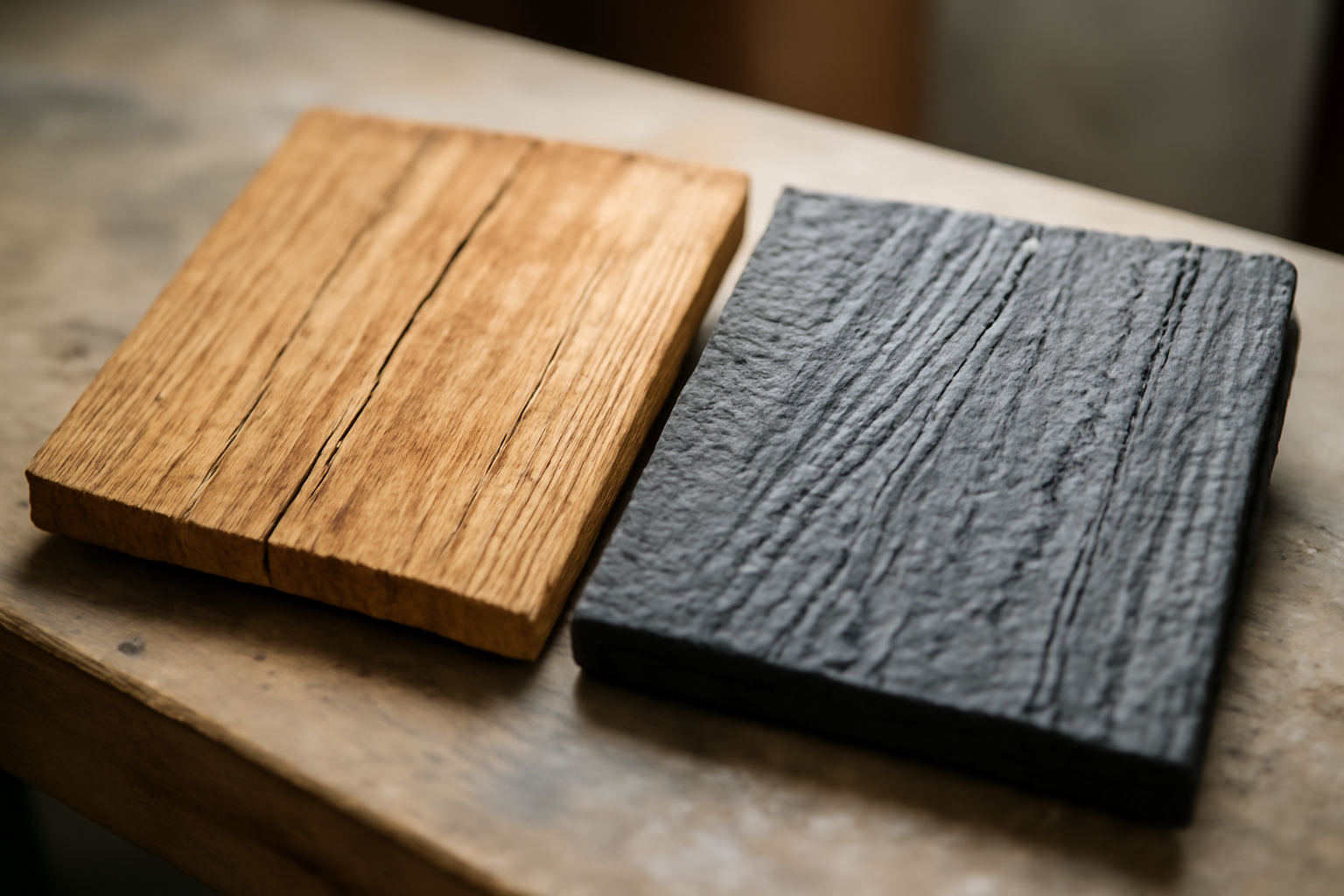
Cedar shake has a timeless look that's hard to argue with. Drive through Alamo Heights or the older neighborhoods in Boerne and you'll spot cedar roofs that have aged into that perfect silver-gray patina. But here's the thing — those roofs need constant attention, and Texas weather isn't gentle. Synthetic shake products have gotten dramatically better in the last decade, and they're showing up on more San Antonio homes every year. So which one actually makes sense for your house and your budget? Let's break it down honestly.
Real Cedar Shake: The Good and the Ugly
Cedar shake is a natural product — typically western red cedar split into tapered shingles. When it's new, it has a warm, rich tone that synthetic materials still can't perfectly replicate. Cedar also has natural oils that provide some insect and moisture resistance out of the box.
But "some resistance" isn't the same as "maintenance-free," and that's where Texas homeowners run into trouble.
The Problems with Cedar in Central Texas
- Fire risk. Cedar is a Class C fire-rated material unless treated with fire retardant, and those treatments wear off over time. In wildfire-prone areas around Helotes, Boerne, and parts of the Hill Country, some HOAs and insurance carriers have started pushing back on untreated cedar roofs. If you're in a WUI (Wildland-Urban Interface) zone, your insurer may surcharge you or decline coverage entirely.
- Hail vulnerability. San Antonio averages multiple hail events per year. Cedar shake absorbs impact differently than composite materials — it splits and cracks. After a moderate hailstorm, you may be looking at dozens of cracked shakes that need individual replacement. Over a 20-year span, hail damage repair costs on cedar can rival the original installation price.
- Moisture and mold. Our humidity — especially from April through October — creates ideal conditions for moss, mold, and algae growth on cedar. Without regular cleaning and treatment every 2-3 years, cedar shakes can cup, warp, and rot prematurely.
- Maintenance costs. Plan on $800-$1,500 every few years for professional cleaning and sealing on an average-sized home. Skip it, and your 30-year roof becomes a 15-year roof.
- Cost. Installed cedar shake in the San Antonio market typically runs $12-$18 per square foot, depending on shake grade and roof complexity. Premium hand-split shakes push that number higher.
Synthetic Shake: What You're Actually Getting
Synthetic shake — sometimes called composite shake or polymer shake — is manufactured from engineered polymers, rubber, or a blend of recycled materials molded to look like natural wood. The major players include DaVinci Roofscapes, Brava Roof Tile, CeDUR, and a few others. Each has a different composition, so lumping them all together is a mistake we see other contractors make.
Where Synthetic Shake Wins
- Fire rating. Most quality synthetic shakes carry a Class A fire rating — the highest available. This is a significant advantage in the Hill Country and for insurance purposes. Some homeowners in Boerne and Helotes have switched specifically because of fire insurance issues with cedar.
- Impact resistance. Top-tier synthetics like CeDUR achieve Class 4 impact ratings (the highest UL 2218 rating). That matters in San Antonio — a Class 4 rating can qualify you for hail-resistant roof discounts with carriers like USAA, State Farm, and Amica. Those discounts can offset a meaningful portion of the higher material cost over time.
- Near-zero maintenance. No sealing. No staining. No moss treatment. Pressure wash it once a decade if you feel like it. That's a real cost savings over the life of the roof.
- Lifespan. Most premium synthetic shakes carry 50-year limited warranties. Real-world performance data is still catching up (the best products have only been around 15-20 years), but early indications are strong.
- Weight. Synthetic shake is significantly lighter than real cedar, which means less structural stress — particularly relevant for older homes in Alamo Heights or Monte Vista that weren't framed for heavy roofing loads.
Where Synthetic Shake Falls Short
- Appearance (up close). From the street, the best synthetics are nearly indistinguishable from cedar. Up close or underfoot, you can tell. If authenticity matters to you at arm's length, you'll notice the difference. Products like CeDUR come closest to the real thing, but they're also the most expensive synthetic option.
- Upfront cost. Installed synthetic shake typically runs $10-$16 per square foot in San Antonio, depending on the product line. Premium options like CeDUR can hit $18-$22 per square foot — approaching or exceeding cedar. The value proposition is in the long-term savings, not day-one pricing.
- Color fading. Some lower-end synthetics fade noticeably in Texas UV exposure within 8-10 years. Stick with products that have UV stabilizers built into the material (not just surface coatings) or you'll be disappointed.
- Limited track record. Cedar shake has centuries of performance data. The best synthetic products have maybe two decades. We're confident in the top-tier options, but anyone who guarantees 50-year performance on a product that's existed for 15 years is speculating.
The Total Cost Picture Over 30 Years
This is where the math gets interesting. Let's use a typical 2,500-square-foot San Antonio home with a moderately complex roof (around 30 squares):
- Cedar shake installed: Roughly $36,000-$54,000 upfront, plus $800-$1,500 in maintenance every 2-3 years, plus likely one major hail repair at $3,000-$8,000. Possible full roof replacement at year 20-25.
- Mid-range synthetic shake installed: Roughly $30,000-$48,000 upfront, near-zero maintenance, better insurance discounts, likely no replacement needed within 30 years.
Over three decades, the synthetic option typically costs less — sometimes significantly less — while delivering better fire and impact protection. The only scenario where cedar clearly wins is if you value absolute material authenticity above everything else and you're committed to the maintenance schedule.
Our Honest Take
We install both. We're not anti-cedar — we've done beautiful cedar shake installations across Stone Oak and the Hill Country. But when a homeowner asks us what we'd put on our own house in San Antonio, the answer is a premium synthetic shake like CeDUR or DaVinci, paired with proper ventilation and a solid underlayment system.
The fire safety, hail resistance, and freedom from constant maintenance are just too compelling for this climate. And if you're considering other premium materials, it's worth comparing synthetic shake against standing seam metal or even high-end asphalt shingle options — depending on your home's architecture and your budget.
Not sure which shake option fits your home?
We'll bring actual material samples to your property, walk your roof, and give you an honest comparison with real numbers — no pressure, no games. Schedule a free roof inspection and we'll help you figure out the right material for your house, your budget, and your neighborhood.