Skylight Replacement During a Reroof | Wannamaker
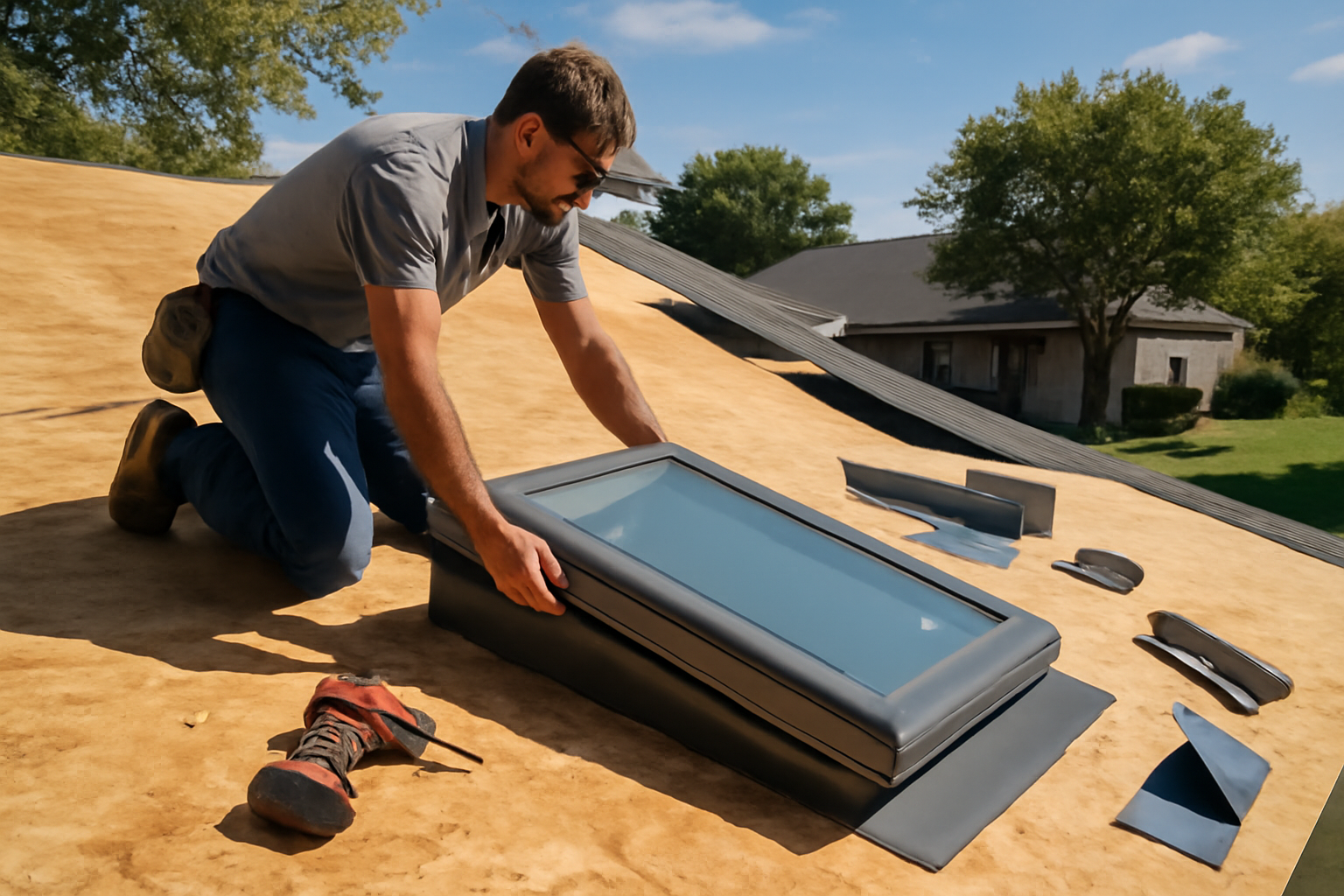
Here's a conversation we have on almost every roof replacement job where skylights are involved: "Should we replace these while you're up there?" The answer is almost always yes — and the homeowners who skip it almost always regret it within five years. Skylights are one of the most leak-prone penetrations on any roof, and the single cheapest time to address them is when the decking is already exposed and your crew is already on-site.
Why Skylights Fail — And Why Timing Matters
Most skylights installed on San Antonio homes are either Velux or generic builder-grade units. Regardless of brand, they share the same lifespan problem: the seals, flashing, and glazing all degrade at roughly the same rate as your roofing material. If your asphalt shingle roof lasted 18-22 years before needing replacement, your skylights are on borrowed time too.
The failure modes are predictable:
- Seal degradation. The rubber gaskets around the glass dry out and crack under San Antonio's UV exposure. Once they go, water finds its way in — usually during the kind of wind-driven rain we get with spring storms.
- Flashing failure. Step flashing and curb flashing around skylights corrode, pull away, or get compromised by thermal cycling. This is the number one source of skylight leaks.
- Condensation and fogging. Double-pane skylight glass loses its argon fill over time. You'll notice fogging between the panes — a sign the insulated glass unit has failed. It won't leak water, but it kills energy efficiency and looks terrible.
- Frame warping. Cheaper vinyl-framed skylights can warp in our heat, creating gaps that no amount of caulk will permanently fix.
The critical point: if your skylights are more than 15 years old and you're getting a full reroof, replacing them during the project is dramatically cheaper than doing it as a standalone job later.
The Cost Difference: During vs. After a Reroof
When we replace a skylight during a reroof, the labor savings are significant because the shingles and underlayment around the skylight are already removed. We're not paying a crew to carefully tear off and re-install roofing material around an existing penetration — we're simply installing the new unit into an open deck.
Here's what the numbers typically look like in the San Antonio market:
- Skylight replacement during reroof. $800–$1,800 per unit installed, depending on size and whether it's fixed or operable (venting). This includes the skylight, new flashing kit, and labor.
- Skylight replacement as a standalone job. $1,500–$3,200 per unit. The extra cost is almost entirely labor — removing surrounding shingles, replacing the unit, re-flashing, and re-shingling. Plus you're paying for a separate truck roll, crew mobilization, and disposal.
That's roughly 40-50% savings per skylight by bundling the work with your roof replacement cost. On a home with two or three skylights, that adds up fast.
What About Just Re-Flashing the Existing Skylight?
This is the question we get from homeowners trying to save money, and it's a fair one. During a reroof, we always install new flashing around existing skylights — that's standard practice. So if your skylight glass is clear, the frame is solid, and the seals look good, keeping the existing unit with new flashing can work.
But here's the contrarian truth most roofers won't tell you: re-flashing an old skylight is putting a new frame around an old painting. The flashing is only one failure point. If the unit itself fails in three to five years, you're paying full standalone replacement price to fix something you could have handled for a fraction of the cost during the reroof.
Our general rule: if the skylight is under 10 years old and shows no signs of seal failure or fogging, keep it and re-flash. If it's over 15 years old, replace it. Between 10 and 15, it's a judgment call — we'll give you an honest assessment during your free roof inspection.
Choosing the Right Replacement Skylight
For the San Antonio climate, not all skylights are created equal. Here's what we recommend and why:
- Velux deck-mount skylights. The industry standard for good reason. Their flashing kits are engineered to integrate with asphalt shingles, and the units carry a 10-year warranty on the full product including glass and seals. We install these most often.
- Low-E, laminated glass. Essential in our climate. Low-E coatings reflect infrared heat, keeping your attic and living space cooler. Laminated glass adds impact resistance — relevant given our hail damage repair history in Bexar County.
- Fixed vs. venting. Venting (operable) skylights cost $200-$400 more per unit but allow moisture to escape — useful in bathrooms or kitchens. For most other rooms, fixed skylights are fine and less mechanically complex.
- Solar-powered blinds. Velux offers solar-powered blinds that qualify for the federal tax credit (currently 30% under the Inflation Reduction Act for qualifying energy-efficient products). Worth considering if you're already spending the money.
What About Tubular Skylights (Sun Tunnels)?
Sun tunnels are a different product entirely — a reflective tube that channels light from a small roof-mounted dome into an interior room. They're great for hallways, closets, and bathrooms where a full skylight doesn't make sense. They're also cheaper: typically $500-$900 installed during a reroof. We install these regularly in Stone Oak and Alamo Heights homes where interior rooms need natural light.
Insurance and Skylights: What's Covered?
If your reroof is being covered by an insurance claim — say after hail or wind damage — your adjuster will typically cover skylight replacement only if the skylight itself was damaged by the covered event. Cracked glass from hail impact? Covered. Age-related seal failure? Not covered.
However, even on insurance jobs, we can add skylight replacement as an out-of-pocket upgrade. The labor savings still apply because the roof is already open. We handle the paperwork so the insurance-covered work and your upgrade are clearly separated.
Common Mistakes We See
- Caulking over old flashing. Some contractors will slather sealant around aging skylight flashing and call it good. This is a temporary patch, not a repair. It fails within one to two years in our climate.
- Reusing old flashing kits. Even during a reroof, some crews try to reuse the original flashing to save time. New skylights should always get the manufacturer's engineered flashing kit — it's designed for that specific unit and ensures warranty coverage.
- Ignoring curb height. Skylights need adequate curb height above the roof plane to prevent pooling water from backing up under the flashing. On lower-slope sections, this is especially critical.
Planning a Reroof? Let's Talk About Your Skylights.
If you're considering a roof replacement in San Antonio, Boerne, New Braunfels, or the surrounding Hill Country, schedule a free roof inspection with Wannamaker Roofing. We'll assess your skylights alongside the rest of your roof and give you a straight answer on whether replacement makes financial sense — no pressure, no upselling. Just honest guidance from a local crew that's been doing this since 2012.
The Bottom Line
Skylight replacement during a reroof isn't an upsell — it's smart project management. You're already paying for the crew, the equipment, and the tear-off. Adding skylight replacement at that point costs a fraction of what it would as a separate project. And you eliminate one of the most common future leak sources on your roof in the process. If your skylights are aging, the reroof is your window — literally and figuratively.