Roof Claim Denied? How to Appeal | Wannamaker
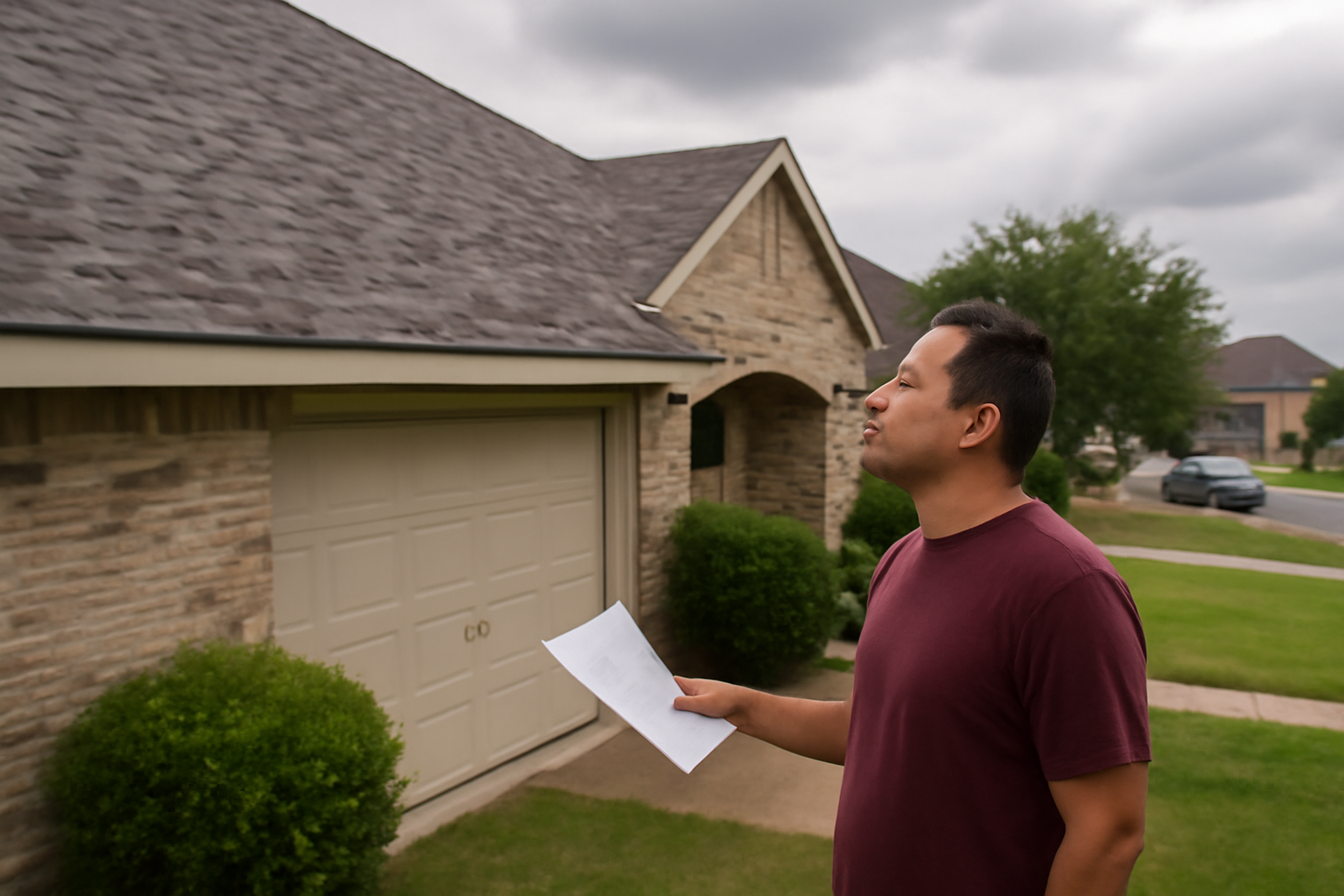
You filed the claim. You waited weeks. Then the letter arrives: denied. If you're staring at that letter right now, take a breath. A denial is not a final answer — it's an insurance company's first answer, and in our experience across hundreds of San Antonio roofs, that first answer is wrong more often than you'd think.
Why Roof Claims Get Denied in San Antonio
Before you can fight a denial, you need to understand what you're fighting. Here are the reasons we see most often when working with homeowners in San Antonio, New Braunfels, Boerne, and the surrounding Hill Country:
- "Pre-existing damage" or "wear and tear." This is the big one. The adjuster attributes the damage to age, poor maintenance, or prior neglect — not the recent storm. Sometimes they're right. Often they're lumping legitimate hail impact in with normal aging to avoid a payout.
- "Cosmetic damage only." Some policies — particularly those written after 2019 by carriers like USAA, State Farm, or Allstate in Texas — include cosmetic damage exclusions for metal or shingle roofs. The insurer argues the dents don't affect function. This is worth challenging if the damage compromises granule coverage or the integrity of the shingle mat.
- Late filing. Texas law gives you one year from the date of loss to file a property damage claim under the Texas Insurance Code. Miss that window and the carrier has a legitimate reason to deny.
- "Insufficient evidence." The adjuster's inspection found fewer hits per test square than the carrier's threshold — sometimes as few as 8 per 100 square feet. This doesn't mean there's no damage. It often means the adjuster checked the wrong slope or spent 15 minutes on a roof that needed 45.
- Policy exclusions or lapses. Your policy may exclude certain perils, have a high wind/hail deductible (common in Bexar County — typically 1-2% of dwelling coverage), or may have lapsed entirely.
Step 1: Read the Denial Letter Carefully
This sounds obvious, but most homeowners skim the letter and call their agent in a panic. The denial letter is legally required to state the specific reason for the denial and cite the policy language that supports it. Read every word. If the reason is vague — something like "damage does not meet the threshold for replacement" — you already have leverage, because vague denials are harder for the carrier to defend.
Check whether the letter references a specific inspection report. You have the right to request a copy of the adjuster's report, including photos, under your policy. Get it.
Step 2: Get an Independent Roof Inspection
The insurance adjuster works for the insurance company. That's not a conspiracy — it's just a fact of how the system is structured. Their job is to assess damage within the carrier's guidelines, which are designed to minimize payouts.
A free roof inspection from a licensed contractor gives you a second set of eyes — eyes that aren't being paid by the carrier. At Wannamaker, we document every hit, every cracked shingle, every compromised flashing with photos, measurements, and GPS-tagged locations. That documentation becomes the backbone of your appeal.
If you're in Stone Oak, Helotes, or anywhere in the San Antonio metro, we can typically get on your roof within a day or two of your call.
Step 3: File a Formal Appeal
Most carriers have an internal appeals process. Here's what a strong appeal package includes:
- A written rebuttal letter. Address the specific denial reason point by point. If they said "wear and tear," your contractor's report should show impact marks consistent with hail, not granule loss from UV exposure. These look different, and a competent inspector can explain why.
- Photographic evidence. Close-up, labeled photos of damage on every accessible slope. Include soft metal damage on vents, gutters, and AC units — these are objective hail markers that are hard to dispute.
- Weather data. NOAA storm reports, local hail maps, and radar imagery showing hail in your zip code on the date of loss. This is free, publicly available data that the adjuster may have ignored.
- A contractor's scope of repair. A line-item estimate from a licensed contractor showing what needs to be repaired or replaced and why. We write ours in Xactimate — the same software the insurance company uses — so there's no translation issue.
Submit the appeal in writing, by certified mail or the carrier's official portal. Keep copies of everything.
Step 4: Request a Re-Inspection
Along with your appeal, request that the carrier send a different adjuster for a re-inspection. You have the right to be present — and to have your contractor present. This is critical. When our team meets the adjuster on the roof, we can walk them to the specific damage areas, point out the hail indicators on soft metals, and have a professional conversation that often changes the outcome.
We've seen re-inspections flip denials into full roof replacement approvals. It happens more than you'd expect.
Step 5: Know When to Escalate
If the internal appeal fails, you have options:
- Appraisal clause. Most Texas homeowner policies include an appraisal clause. Either party can invoke it when there's a disagreement over the amount of loss. Each side hires an appraiser; the two appraisers select an umpire. A majority decision is binding. This process typically costs $300-$750 on your side and resolves faster than litigation.
- Texas Department of Insurance (TDI) complaint. Filing a complaint with TDI doesn't guarantee a reversal, but it does put the carrier on notice and creates a paper trail. TDI tracks complaint ratios by carrier.
- Legal counsel. If the claim is substantial — say, a full roof replacement cost of $12,000-$25,000 or more — and you believe the denial was in bad faith, a property damage attorney may take your case on contingency. Texas law allows recovery of attorney's fees and up to 18% penalty interest for delayed or wrongfully denied claims.
Mistakes That Kill Your Appeal
A few things we see homeowners do that hurt their chances:
- Signing a "release" too early. Some carriers offer a small check and ask you to sign a release. Once signed, you typically waive your right to further claims on that loss. Don't sign anything until you understand the full scope of damage.
- Making temporary repairs without documenting first. If you need to tarp a leak, absolutely do it — but photograph everything before and after. Undocumented repairs look like pre-existing conditions to an adjuster.
- Waiting too long. Texas weather doesn't pause. The longer you wait, the more the original storm damage blends with ongoing weathering, making it harder to prove causation.
Dealing With a Denied Claim?
We help San Antonio homeowners fight wrongful denials every week. Our insurance claim support includes a full roof inspection, detailed damage documentation in Xactimate format, and on-roof representation during re-inspections — all at no upfront cost to you. Schedule your free inspection and let's build your case.
The Bottom Line
Insurance companies deny claims because it saves them money — and because most homeowners accept the denial and move on. You don't have to be most homeowners. A well-documented appeal with a licensed contractor in your corner changes the math entirely. The carrier knows that a homeowner with a professional Xactimate estimate, labeled photos, and weather data is a homeowner who's prepared to invoke the appraisal clause or hire an attorney. That changes how they negotiate.
If your roof was damaged in a San Antonio hailstorm and your claim was denied, don't let a form letter be the final word. Get the facts on your side first, then fight with evidence.