Leon Valley Older Home Roof Challenges | Wannamaker
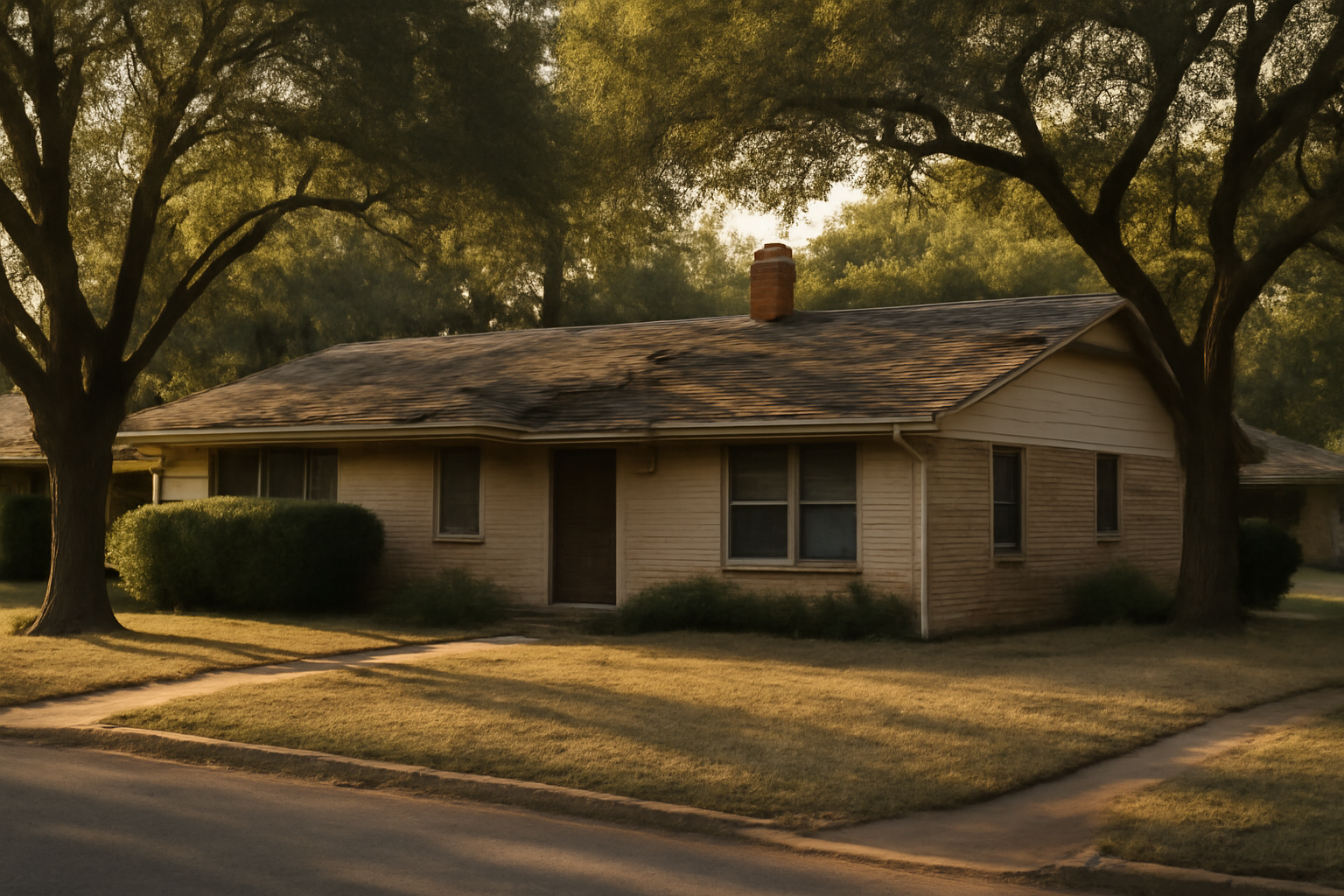
Leon Valley sits in a sweet spot — close to the Medical Center, easy access to Loop 410, and a community feel that bigger San Antonio neighborhoods sometimes lose. But many of the homes here were built in the 1950s through the 1970s, and those roofs are telling a different story than the curb appeal suggests. If you own one of these older homes, your roof has challenges that a cookie-cutter reroofing bid won't address. Here's what we actually see when we climb up there.
What Makes Leon Valley Roofs Different
Leon Valley's older neighborhoods — areas along Huebner, Poss Road, and the streets south of Evers — are full of mid-century ranch homes and early split-levels. These homes were built under older building codes with materials and methods that are no longer standard. That doesn't make them bad homes. It just means a roof project here is rarely as straightforward as stripping shingles and nailing new ones down.
The most common issues we encounter on Leon Valley older homes fall into a few predictable categories. Knowing them ahead of time can save you thousands — and help you avoid the roofer who pretends they don't exist.
1. Outdated Roof Decking
Many Leon Valley homes from the 1960s were built with 1x6 skip sheathing — spaced wood planks instead of solid plywood or OSB panels. This was standard for the era, especially under wood shingles. But when you go to install modern asphalt shingles, skip sheathing creates problems. Shingles need a flat, continuous surface to seal properly. Without it, they buckle, don't seal, and fail prematurely.
The fix is re-decking with plywood or OSB, which adds material and labor costs. A roofer who doesn't mention this during the estimate is either inexperienced or hoping you won't notice until the job is underway. We always check decking condition during our free roof inspection and factor it into the bid upfront.
2. Multiple Layers of Roofing
A home built in 1965 may have been reroofed two or three times since. Previous owners often opted for overlay jobs — adding a new layer of shingles on top of the old ones to save money. San Antonio code allows a maximum of two layers of asphalt shingles, but we regularly find three on Leon Valley homes. Even with two layers, the added weight stresses older framing and traps heat, which accelerates shingle deterioration in our 100°F summers.
A proper roof replacement on these homes means a full tear-off down to the decking. That's more dumpster weight, more labor, and more opportunity to discover rotted wood underneath. Budget accordingly.
3. Inadequate Attic Ventilation
Older Leon Valley homes were often built with minimal soffit venting — sometimes none at all. The result is an attic that traps heat and moisture year-round. In summer, attic temperatures can exceed 150°F, baking shingles from below. In winter, moisture buildup promotes mold growth on the underside of the decking.
When we replace a roof on an older home, we evaluate the entire ventilation system. Adding ridge vents, upgrading soffit intake, or installing powered attic ventilators can extend the life of a new roof by years. Skipping this step is like putting new tires on a car with bad alignment — you'll be back sooner than you should be.
4. Flashing and Penetration Failures
Decades-old galvanized flashing around chimneys, plumbing vents, and wall-to-roof transitions is one of the top leak sources we see. The original flashing on a 1960s home has long exceeded its useful life. Rust, separation, and failed sealant joints let water in slowly — the kind of leak that rots decking and framing for years before you notice a ceiling stain.
Some roofers reuse old flashing during a reroof to cut costs. On a 50-year-old home, that's negligent. Every penetration should get new flashing, properly integrated with modern underlayment. If your roof repair estimate doesn't itemize flashing replacement, ask why.
5. Code Compliance Gaps
When you pull a permit for a reroof in Leon Valley (and yes, a permit is required), the new roof must meet current building code — not the code from 1965. That typically means:
- Ice and water shield. Required at eaves and in valleys, even though ice dams aren't a San Antonio concern — the code is standardized.
- Drip edge. Metal drip edge along eaves and rakes is now mandatory and was rarely installed on older homes.
- Starter strip and hip/ridge caps. Manufacturer-specified starter strips and prefabricated hip and ridge shingles are required for warranty compliance.
- Proper nail pattern. High-wind zones in Texas require specific nailing patterns — six nails per shingle in many areas.
These aren't optional upgrades. They're baseline requirements. A roofer who cuts corners here puts your warranty and your home at risk.
Storm Damage on Aging Roofs
Leon Valley catches the same hail and wind events that hit the rest of the San Antonio metro. But older roofs sustain more damage from the same storm. Brittle shingles crack where newer ones flex. Weakened flashing lifts where sound flashing holds. If your home took hail damage, the adjuster's assessment should account for the pre-existing condition of materials — and your roofer should know how to document that properly for your insurance claim.
What a Proper Bid Looks Like
When you get estimates for an older Leon Valley home, the cheapest bid is almost always missing something. A thorough estimate should include line items for tear-off and disposal (specifying number of layers), decking inspection and replacement allowance, new flashing at all penetrations, ventilation assessment, code-required components, and cleanup. If your bid is a single line item that says "reroof — $X,XXX," that's not an estimate. It's a guess.
Understanding your roof replacement cost starts with an honest assessment of what's actually up there — not a drive-by quote from the street.
Own an Older Home in Leon Valley?
We've worked on hundreds of mid-century homes across the San Antonio area. We'll tell you exactly what your roof needs — and what it doesn't. Schedule a free roof inspection and get a detailed, itemized estimate with no pressure and no surprises.
The Bottom Line
Leon Valley is a great place to own a home. But older homes demand a roofer who understands the specific challenges that come with aging materials, outdated construction methods, and evolving building codes. The right contractor won't just slap shingles on your roof — they'll address the underlying issues that determine whether your new roof lasts 25 years or 12. That's the difference between a roofing project and a roofing investment.