How Roofers Protect Your Landscaping & Dr… | Wannamaker
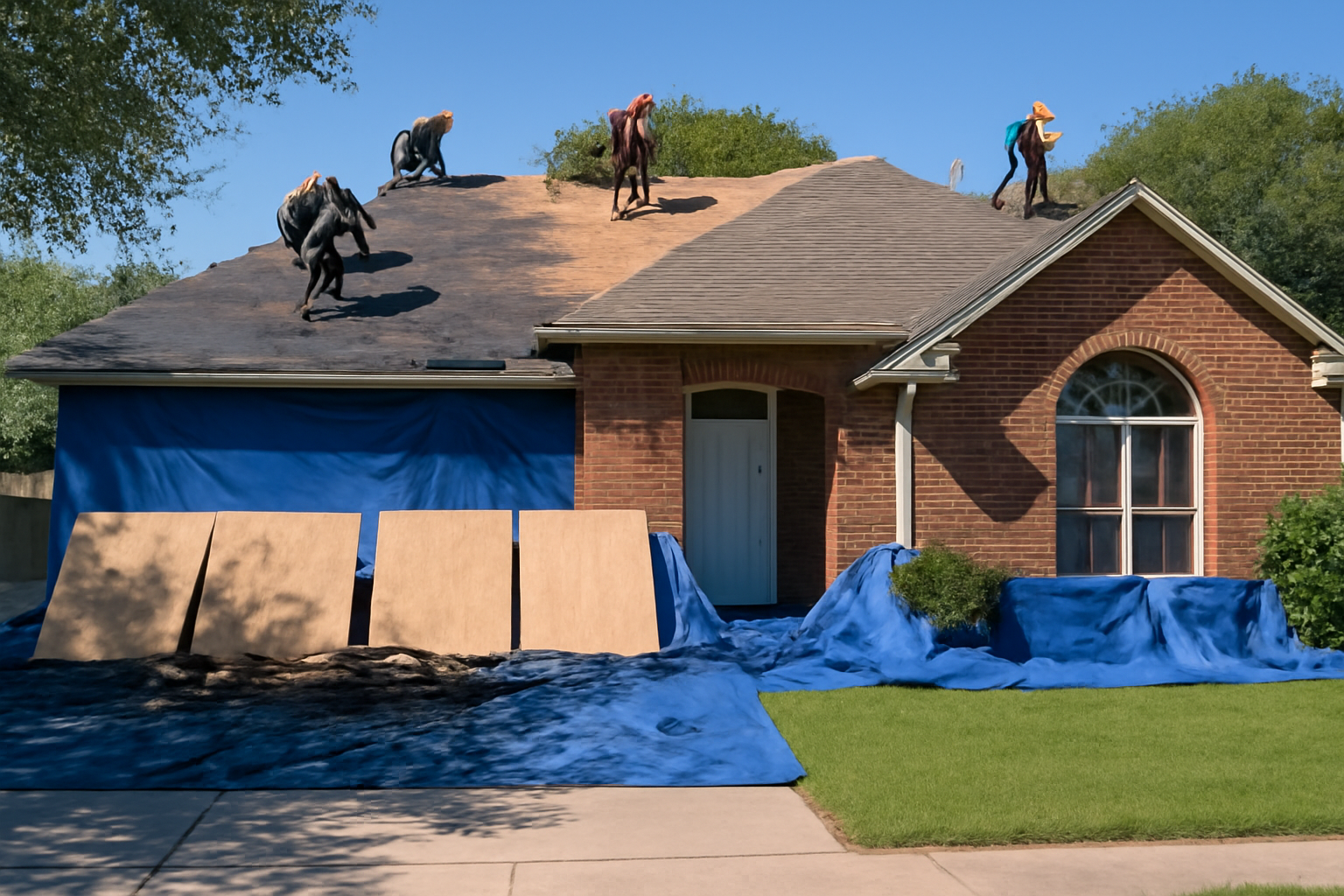
You've spent years cultivating that crepe myrtle. Your driveway was sealed last summer. And now a crew is about to strip thousands of pounds of old roofing material off your house and drop it right next to everything you care about. It's a legitimate concern — and one that separates professional roofers from the guys who leave your yard looking like a demolition site. Here's how experienced crews handle property protection, what you should expect, and the specific questions to ask before any work begins.
Why Property Protection Matters More Than You Think
A typical San Antonio roof replacement generates between 3,000 and 8,000 pounds of debris depending on the size of the home and the number of layers being removed. That's old shingles, underlayment, nails, flashing, pipe boots, and ridge caps raining down from 15 to 30 feet in the air. Without a solid protection plan, that debris damages plants, cracks pavers, stains concrete, dents gutters, and buries nails in your lawn where bare feet and dog paws will find them months later.
The damage isn't always dramatic. A single piece of flashing sliding down a roof slope can gouge a window screen. Roofing granules ground into a flagstone patio leave permanent stains. Nail pops hidden in St. Augustine grass cause flat tires. These are preventable problems — if the crew plans ahead.
How Professional Crews Protect Your Property
1. Ground Tarps and Drop Cloths
Before any tear-off begins, a good crew lays heavy-duty tarps along the perimeter of the house. These aren't painter's drop cloths — they're thick, reinforced tarps designed to catch falling debris. Tarps protect flower beds, hardscape, HVAC units, and patio furniture. They also make cleanup dramatically faster because the crew can bundle debris and haul it to the dump trailer instead of picking shingle fragments out of your mulch by hand.
2. Plywood and Board Protection for Driveways
Dump trailers and material deliveries are heavy. A loaded shingle pallet can weigh over 3,000 pounds, and the truck delivering it isn't light either. On stamped concrete, pavers, or freshly sealed driveways common in neighborhoods like Stone Oak and Alamo Heights, crews lay plywood sheets or rubber mats under trailer jacks and along the path where materials will be staged. This distributes weight and prevents cracking, gouging, or oil stains.
3. Plant Relocation and Wrapping
Potted plants near the house get moved to a safe zone before work starts. Established landscaping — shrubs, ornamental grasses, small trees — that can't be moved gets wrapped in breathable landscape fabric or loosely tented with tarps. The key word is "loosely." In a San Antonio summer, wrapping plants too tightly in plastic can cook them faster than falling debris would damage them. Experienced local crews understand this because they've dealt with our heat before.
4. Magnetic Nail Sweeps
This is non-negotiable. After tear-off and again after final cleanup, the crew should run a rolling magnetic sweeper across the entire yard, driveway, sidewalks, and street frontage. A single roofing nail in a tire costs $20-40 to patch or $150+ to replace. Good crews make multiple passes — once isn't enough when you've pulled thousands of nails off a roof.
5. Gutter and Downspout Protection
Debris slides into gutters constantly during tear-off. Crews that plan ahead either remove gutter sections in the work zone or install temporary shields to keep shingle fragments and granules from clogging your drainage system. If your gutters drain into underground French drains — common in newer Hill Country developments around Boerne and Helotes — a clog can cause expensive water backup problems long after the roofing crew is gone.
6. Strategic Debris Chute Placement
On two-story homes, crews often use debris chutes — enclosed slide systems that funnel old materials directly into the dump trailer. This keeps debris from scattering across the yard and dramatically reduces the impact zone. The chute gets anchored to the roof edge and aimed into the trailer, keeping your landscaping out of the fallout area.
Questions to Ask Your Roofer Before Signing
Not every contractor handles property protection the same way. Before you commit, ask these specific questions:
- "What's your plan for protecting my landscaping and driveway?" A vague answer like "we'll be careful" is a red flag. You want specifics — tarps, plywood, plant wrapping, magnetic sweeps.
- "How many magnetic nail sweeps do you do?" The answer should be at least two — one after tear-off and one after final cleanup. Three is better.
- "Who's responsible if my property is damaged?" A licensed, insured contractor carries general liability coverage that protects your property. Ask to see the certificate. If they hesitate, walk away.
- "Will you do a walk-through with me before and after?" A pre-job walk-through documents existing conditions. A post-job walk-through confirms everything was restored. Both should be standard.
- "Where will the dump trailer be parked?" You want to know in advance so you can move vehicles and flag any concerns about driveway surfaces.
What You Can Do to Prepare
Even with a great crew, a little homeowner prep goes a long way:
- Move vehicles. Park cars, boats, and trailers away from the house and out of the driveway.
- Relocate patio furniture and grills. Anything within 15 feet of the house should be moved to a covered area or the far side of the yard.
- Flag fragile plants. If you have a prized rose bush or a newly planted live oak, point it out during the pre-job walk-through so the crew knows to give it extra protection.
- Secure pets. Keep dogs and cats indoors during tear-off and cleanup. Roofing nails and pets don't mix.
- Take photos. Document your driveway, landscaping, and exterior surfaces before the crew arrives. This creates a baseline if any damage occurs.
After the Job: What to Inspect
Once the crew finishes, do your own walk-through before signing off. Check for nail pops in the grass by walking the yard slowly in hard-soled shoes. Look at your driveway for oil stains, cracks, or scuff marks. Inspect gutters and downspouts for debris. Check window screens for tears. Run your sprinkler system to confirm no heads were damaged. If anything looks off, document it with photos and bring it up with your contractor immediately — reputable companies handle these issues without pushback.
Planning a Roof Project?
We walk every property before work begins and document the plan for protecting your landscaping, driveway, and exterior. Schedule a free roof inspection and we'll show you exactly how we handle property protection — before a single shingle comes off.
A roof project is one of the biggest investments you'll make in your home. The crew's work ethic shows up in the details — not just the shingles they install, but how they treat everything around them. The best roofers in San Antonio leave your property looking like they were never there, except for the new roof overhead. That's the standard you should hold every contractor to.