What Happens to Your Gutters During a Rer… | Wannamaker
You've signed the contract for a roof replacement, picked your shingle color, and scheduled the crew. But have you thought about your gutters? Most homeowners don't—until they notice water sheeting off the side of their house after the job is "done." Your gutter system and your roof are physically connected, and what happens to your gutters during a reroof can mean the difference between a clean install and a headache that lasts for years.
Your Gutters and Your Roof Share More Than a Wall
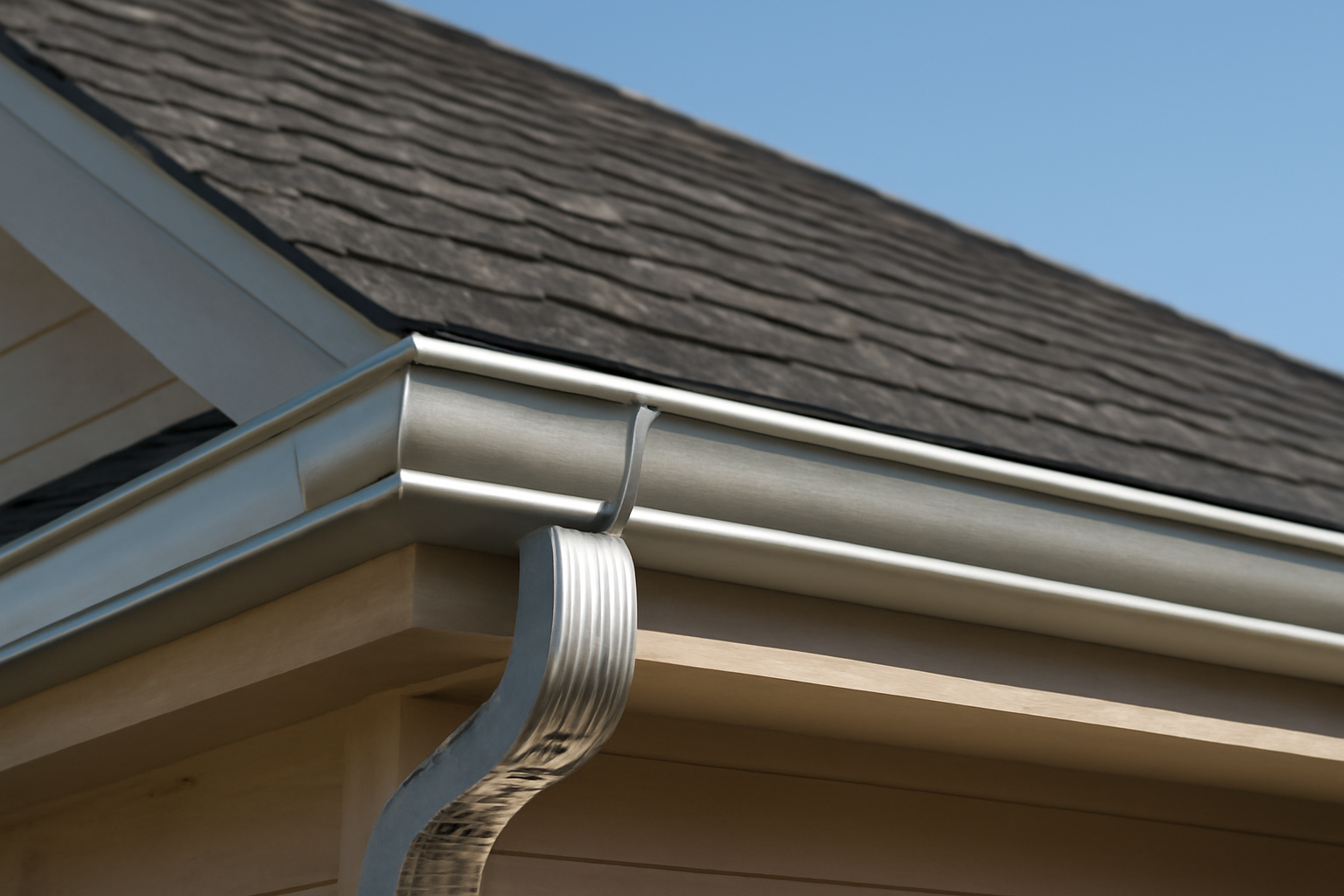
Gutters aren't just hanging off the edge of your house for decoration. They're typically fastened to the fascia board, which sits directly beneath the drip edge—a metal flashing that directs water off the roof deck and into the gutter trough. During a reroof, the crew has to tear off old shingles, underlayment, and often the existing drip edge. That means they're working right on top of your gutter system for the entire job.
Here in San Antonio and surrounding areas like Stone Oak and Boerne, most homes have seamless aluminum gutters. Aluminum is lightweight and dents easily. If a crew isn't careful—or doesn't have a plan for the gutters—you'll end up with bent hangers, crushed sections, and downspouts that no longer align.
The Three Things That Happen to Gutters During a Reroof
1. They Get Removed (Best Practice)
The cleanest approach is to remove the gutters before tear-off begins. This protects them from falling debris, lets the crew properly install new drip edge, and ensures the gutters get reattached at the correct pitch after the new roof is on. Removing and reinstalling gutters adds some labor time, but it's the only way to guarantee the drip edge sits correctly behind the gutter's back lip—which is critical for directing water where it needs to go.
2. They Stay On and Get Worked Around (Common but Risky)
Many roofing crews leave gutters in place and try to slide the new drip edge over or behind them. This is faster and cheaper, but it creates problems. The drip edge may not seat properly, debris from the tear-off piles up inside the gutter troughs, and the weight of old shingles sliding off the roof can bend or dislodge gutter sections. If your crew takes this shortcut, you'll want to inspect very carefully.
3. They Get Damaged and Nobody Mentions It
This is the scenario we see most often when homeowners call us after using another contractor. Gutters get bent, hangers get ripped out of the fascia, or downspout connections get knocked loose. The crew finishes the roof, cleans up the yard, and drives away. The homeowner doesn't notice until the next heavy rain—and by then, the contractor's phone goes straight to voicemail.
Drip Edge: The Detail That Ties It All Together
Drip edge is a thin metal flashing installed along the eaves and rakes of your roof. It's required by code in Texas and serves two purposes: it keeps water from wicking back under the shingles, and it channels runoff into the gutter. When gutters are left in place during a reroof, the drip edge often gets installed on top of the gutter rather than behind it. That might look fine from the ground, but it creates a gap where water can drip behind the gutter and run down your fascia, leading to rot and staining.
A properly installed drip edge should tuck behind the back lip of the gutter. The only reliable way to achieve this is to remove the gutter first, install the drip edge, then reattach the gutter over the drip edge flange. It's a small detail, but it matters enormously over 20+ years of San Antonio thunderstorms.
What to Ask Your Roofing Contractor Before the Job Starts
Before any crew sets foot on your roof, get clear answers to these questions:
- Will gutters be removed during the reroof? If the answer is no, ask why. There are rare cases where gutter removal isn't practical (e.g., copper systems on historic homes in Alamo Heights), but for standard aluminum gutters, removal is best practice.
- Who is responsible for gutter damage? Get this in writing. Some contracts explicitly exclude gutter damage from the scope. If yours does, negotiate before you sign.
- Will new drip edge be installed? It should be, every time. If a contractor says they'll reuse the old drip edge, that's a red flag.
- Will gutters be cleaned out after the job? Even with tarps and careful debris management, granules, nails, and shingle fragments end up in gutters. The crew should flush them out before they leave.
- Are new gutters included or recommended? If your gutters are already 15-20+ years old, a reroof is the most cost-effective time to replace them. The crew is already up there, and the cost to add new seamless gutters during a reroof is typically lower than scheduling it separately.
Your Post-Reroof Gutter Inspection Checklist
Before you sign off on the final walkthrough, check these items yourself—or schedule a free roof inspection with us and we'll check them for you:
- Gutter pitch. Water should flow toward downspouts with no standing pools. Pour a bottle of water into each gutter run and watch it drain.
- Hanger spacing. Gutter hangers should be spaced every 24-36 inches. If some were removed and not replaced, sections will sag over time.
- Drip edge position. Look up from below the eave. The drip edge should extend into or behind the gutter—not sit on top of it or stop short.
- Downspout connections. Every downspout should be firmly connected at the top and bottom. Wiggle them. They shouldn't move.
- Debris in the troughs. Run a garden hose through each run. If nails or shingle fragments flush out, the crew didn't clean up properly.
- Dents or bends. Walk the perimeter of your house and look for new damage that wasn't there before the reroof started.
When Gutters Need Full Replacement During a Reroof
Sometimes the smartest move is replacing gutters entirely during your roof replacement. Here are the situations where it makes sense:
- Existing gutters are 20+ years old. Aluminum gutters in the San Antonio heat typically last 20-25 years. If your gutters are the same age as the roof being replaced, they're near end of life.
- Visible corrosion or joint failures. Sectional gutters with failing joints will only get worse. Replacing them with seamless gutters during a reroof eliminates the problem.
- You're upsizing. Standard 5-inch gutters may not handle the volume from a steep or large roof. A reroof is the ideal time to upgrade to 6-inch gutters with larger downspouts.
- Fascia board repair is needed. If the fascia behind your gutters is rotted, the crew needs to remove gutters anyway. Replacing both at once saves a second trip.
Planning a Reroof? Let's Talk About the Whole System.
At Wannamaker Roofing, we remove and reinstall gutters on every full roof replacement—it's built into our process, not an upsell. If your gutters need replacing too, we'll give you an honest assessment during your free inspection. We've been doing this across San Antonio since 2012, and we'd rather do it right the first time than get a callback.
Your gutters aren't an afterthought—they're part of the roofing system. A contractor who treats them that way is telling you something about how they'll treat the rest of the job. Pay attention to the details before the crew shows up, ask the right questions, and don't sign off until everything drains the way it should.