Attic Moisture: Causes, Risks & Fixes | Wannamaker
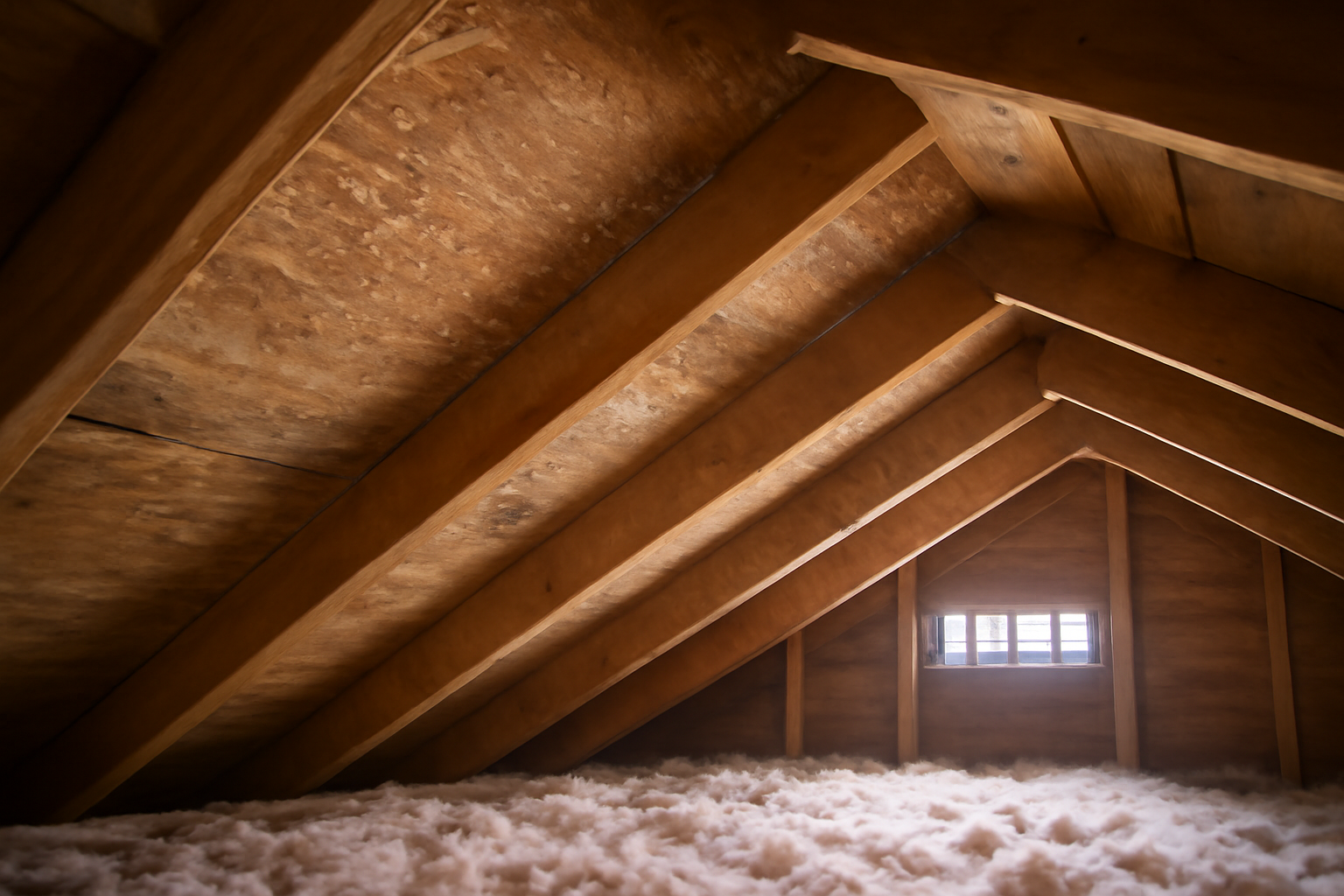
You probably don't spend much time thinking about your attic — and that's exactly why moisture problems up there get so bad before anyone notices. In San Antonio, where humidity regularly pushes past 80% and summer temperatures can turn your attic into a 150°F oven, the conditions for moisture damage are almost always present. The difference between a healthy attic and a rotting one usually comes down to airflow, vapor management, and whether anyone bothered to look up there in the last few years.
Where Attic Moisture Actually Comes From
Most homeowners assume attic moisture means a roof leak. Sometimes it does. But more often, the water is coming from inside the house — not outside it. Here are the real culprits:
- Bathroom exhaust fans venting into the attic. This is the single most common cause we see in San Antonio homes built before 2000. The builder ran the duct into the attic instead of through the roof or soffit. Every shower pumps warm, humid air directly into the space above your ceiling.
- Kitchen and dryer vents terminating in the attic. Same concept, different source. Dryer vents are especially bad because they carry both moisture and lint, which clogs everything and holds water like a sponge.
- Inadequate attic ventilation. Your attic needs a balanced system of intake (usually soffit vents) and exhaust (ridge vents, turbines, or powered fans). When that balance is off — or when vents are blocked by insulation, paint, or debris — moisture has nowhere to go.
- Air leaks from the living space. Gaps around light fixtures, plumbing penetrations, attic hatches, and ductwork let conditioned air escape into the attic. In summer, that cooler air hits hot surfaces and condenses. In winter, warm air rises and condenses on cold decking.
- Actual roof leaks. Yes, sometimes it really is a leak — especially after hail season. A cracked boot around a plumbing vent or a few missing shingles can let water in slowly for months before staining shows on your ceiling.
Why This Matters More Than You Think
A little condensation sounds harmless. It's not. Here's what sustained attic moisture does to a San Antonio home:
Decking Rot
Your roof decking — the plywood or OSB sheets nailed to the rafters — is what your shingles or tile sit on. When it stays damp, it delaminates and softens. We've pulled back shingles on homes in Stone Oak and Alamo Heights that looked fine from the street, only to find decking so soft you could push a screwdriver through it. Replacing decking during a roof replacement adds real cost — typically $75-$150 per sheet, and a typical home might need dozens of sheets if the problem has been going on for years.
Mold and Mildew
San Antonio's warm climate and trapped moisture create textbook mold conditions. Mold in the attic doesn't always stay in the attic — spores travel through HVAC systems and ceiling penetrations into your living space. Remediation is expensive and disruptive, and it's entirely preventable.
Insulation Failure
Wet insulation doesn't insulate. Fiberglass batts that absorb moisture compress and lose R-value. Blown-in cellulose clumps and settles. Either way, your energy bills climb and your HVAC works harder — which, in a San Antonio July, is the last thing you need.
Shortened Roof Lifespan
Moisture from below accelerates the aging of asphalt shingles by causing the decking to warp and buckle. Shingles that should last 25-30 years may fail in 15-18 when the substrate underneath them is compromised. That's tens of thousands of dollars in premature roof replacement cost.
How to Spot Attic Moisture Problems
You don't need to be a roofer to catch the early signs. Here's what to look for:
- Dark staining on rafters or decking. Water marks on wood are a dead giveaway. Fresh moisture looks wet; old moisture leaves dark gray or black stains.
- Musty smell. If your attic smells like a damp basement, something is wrong.
- Visible mold. Black, green, or white fuzzy growth on wood surfaces or insulation.
- Rusted nails or metal connectors. Nail tips poking through the decking will rust quickly in a humid attic. Bright orange rust on nail points is a reliable early indicator.
- Dripping or condensation on HVAC ducts. If your ductwork is sweating, the attic humidity is too high.
- Ceiling stains or bubbling paint. By the time you see this inside the house, the attic problem has been going on for a while.
If you're not comfortable climbing into the attic yourself — and plenty of people aren't — a free roof inspection includes checking the attic space for exactly these issues.
Fixes That Actually Work
There's no single silver bullet. Solving attic moisture usually means addressing multiple contributing factors at once:
1. Re-route Exhaust Vents
Every bathroom fan, kitchen exhaust, and dryer vent needs to terminate outside the building envelope — through the roof or a sidewall, never into the attic. This is a code requirement in modern construction, but older San Antonio homes frequently have it wrong. An HVAC contractor or roofer can re-route these for a few hundred dollars per vent.
2. Balance Your Ventilation
The general rule is 1 square foot of net free ventilation area for every 150 square feet of attic floor space (or 1:300 with a vapor barrier). Most homes in the San Antonio area are under-ventilated. Adding soffit baffles to keep insulation from blocking intake vents, installing additional ridge vent, or upgrading to a solar-powered attic fan can make a dramatic difference.
3. Seal Air Leaks
Caulk and foam around every penetration between the living space and the attic — can lights, plumbing stacks, electrical wires, HVAC boots, and the attic hatch itself. This reduces both moisture transfer and energy loss. It's tedious work, but it's cheap and high-impact.
4. Fix the Roof Leak
If the moisture source is external — a failed pipe boot, cracked flashing, or hail damage repair that was never done — get it fixed before doing anything else. No amount of ventilation improvement will overcome an active leak.
5. Consider Insulation Upgrades
If your insulation is compromised, replacing it is an opportunity to do it right — adding a radiant barrier, ensuring soffit baffles are in place, and hitting the recommended R-38 to R-49 for our climate zone. This won't fix a moisture problem on its own, but it's smart to address it as part of the overall solution.
When to Call a Professional
Sealing a few air leaks and checking your bathroom fan duct is reasonable DIY territory. But if you're seeing widespread mold, soft decking, or you can't identify where the moisture is coming from, it's time to get a professional up there. A qualified roof inspection will identify whether the problem is ventilation, a leak, or both — and give you a clear plan instead of guesswork.
Not sure what's going on in your attic?
Wannamaker Roofing offers a free roof inspection that includes an attic assessment for moisture, ventilation, and insulation issues. We'll tell you exactly what we find — and if nothing's wrong, we'll tell you that too. No sales pitch required.
Attic moisture isn't dramatic. It doesn't announce itself the way a storm-damaged roof does. But left alone, it quietly does more cumulative damage than most single weather events. The good news: the fixes are straightforward, most are affordable, and catching it early saves you from the expensive problems down the road.