Solar Panels & Your Roof Warranty | Wannamaker
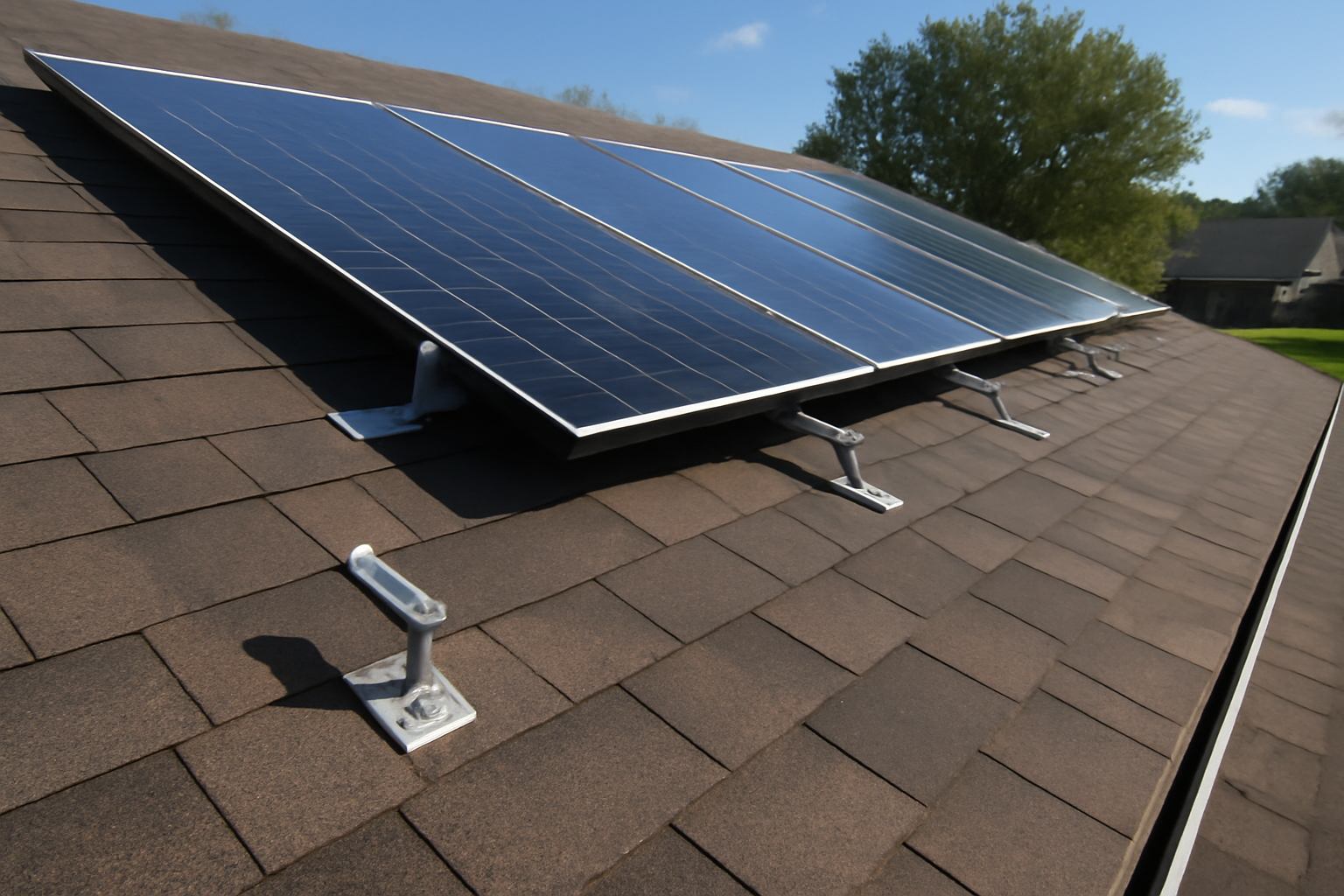
The solar salesperson shows you a beautiful rendering of panels on your roof, a projected electricity savings chart, and a financing plan that looks almost too good to pass up. What they rarely show you is a close-up of the lag bolts they're about to drill through your shingles and into your roof decking — or what that means for the manufacturer warranty you're counting on to protect a $15,000–$25,000 asset.
We're not anti-solar at Wannamaker Roofing. We've worked alongside good solar installers and helped homeowners make smart decisions about when and how to add panels. But we've also torn off roofs where poorly executed solar penetrations caused years of slow water damage that nobody noticed until the decking was rotting. The truth about solar and your roof warranty deserves a straight answer.
What "Roof Penetrations" Actually Means
Most residential solar panel systems in San Antonio use a rail-mounted racking system that attaches to your roof with lag bolts. Each bolt passes through your shingles, through the underlayment, and into the roof decking or rafters. A typical residential installation might require 40 to 80 individual penetration points, depending on the system size and racking design.
Each penetration is sealed with flashing and sealant — usually a combination of aluminum flashing and a butyl or polyurethane-based roof sealant. When done correctly by an experienced crew, these penetrations hold up well. When done poorly — or when the sealant degrades and nobody maintains it — each one becomes a potential entry point for water.
San Antonio's climate is particularly unforgiving here. We get intense UV exposure that breaks down sealants faster than in northern states, plus hail events that can crack flashing or dislodge boot seals. The thermal cycling between our 100°F summers and occasional freezes adds stress to every sealed joint on your roof.
How Solar Installations Affect Your Roof Warranty
This is where things get complicated — and where a lot of homeowners get bad information.
Manufacturer Warranties
Major shingle manufacturers like GAF, Owens Corning, and CertainTeed include language in their warranties that addresses third-party penetrations. The general position is this: if someone other than a certified roofing contractor penetrates the roof system, the manufacturer warranty on the affected area may be voided. Some manufacturers are stricter than others, and the exact language varies by product line and warranty tier.
GAF's system warranties, for example, typically require that any roof penetration be performed by a GAF-certified contractor or be sealed using GAF-approved methods. If a solar installer who isn't certified by your shingle manufacturer drills 60 holes in your roof, you could lose warranty coverage — not necessarily on the entire roof, but on any area where a leak can be attributed to those penetrations.
Workmanship Warranties
If your roof replacement came with a workmanship warranty from your roofing contractor, solar penetrations almost always void it in the affected areas. Your roofer warranted the work they did. The moment another trade modifies that work, responsibility shifts. This isn't your roofer being difficult — it's basic liability.
Solar Company Warranties
Reputable solar installers offer a roof penetration warranty that covers leaks caused by their mounting system — typically for 10 to 25 years. This is critical. If a solar company won't give you a written warranty that specifically covers roof leaks caused by their installation, walk away. Period.
The catch: that warranty is only as good as the company behind it. San Antonio has seen a wave of solar installers come and go over the past decade. If the company folds in five years, your penetration warranty goes with it.
How to Protect Your Roof When Going Solar
- Get a roof inspection first. Before any solar work begins, have an independent roof inspection done. If your roof has less than 10 years of useful life left, you should replace it before panels go on. Removing and reinstalling solar panels for a future roof replacement typically costs $2,000–$5,000 — money you can avoid by sequencing the projects correctly.
- Coordinate with your roofing contractor. The best scenario is having your roofer and solar installer communicate before work starts. Some roofing contractors will install additional flashing or reinforcement at planned penetration points during a roof replacement, which preserves warranty coverage.
- Ask about non-penetrating mounting options. Ballasted systems (weighted, not bolted) work on flat roofing but aren't practical for most pitched residential roofs. Some newer rail-less systems reduce the number of penetrations, which helps but doesn't eliminate the issue.
- Get the penetration warranty in writing. Read it. Make sure it covers the full cost of interior damage repair, not just re-sealing the bolt. Confirm the warranty is transferable if you sell your home.
- Schedule regular inspections. Once panels are installed, the roof beneath them is essentially invisible. You can't see cracked sealant or lifted flashing under a panel array. Annual or biannual inspections by a roofing professional catch problems before they become expensive.
What About Hail Damage and Solar Panels?
San Antonio sits in one of the most active hail corridors in the country. When a hailstorm hits a roof with solar panels, you've got a complicated insurance claim on your hands. The adjuster has to determine what damage is hail-related versus what might be attributed to the solar installation. Panels themselves can be damaged, and the removal-and-reinstallation cost during a hail damage repair or replacement adds significant expense to the project.
Some insurance carriers in Texas have started adding exclusions or surcharges for homes with solar panels. Check with your carrier before installation — not after.
The Bottom Line
Solar panels and roofs can coexist just fine — when the installation is done right, the roof is in good condition, and the homeowner understands exactly what warranties cover what. The problems we see come from rushing the process, skipping the pre-installation roof assessment, or trusting a solar company's verbal assurance that "it won't affect your warranty" without getting documentation.
Your roof protects everything inside your home. Any modification to it deserves the same level of scrutiny you'd give the roof itself.
Thinking About Solar? Start With Your Roof.
Before you sign a solar contract, find out what shape your roof is actually in. Wannamaker Roofing offers a free roof inspection for San Antonio homeowners — we'll tell you honestly whether your roof is ready for panels or needs attention first. No sales pitch, just a straight assessment from a licensed local contractor.