Skylight Leaks: Common Causes & Repair | Wannamaker
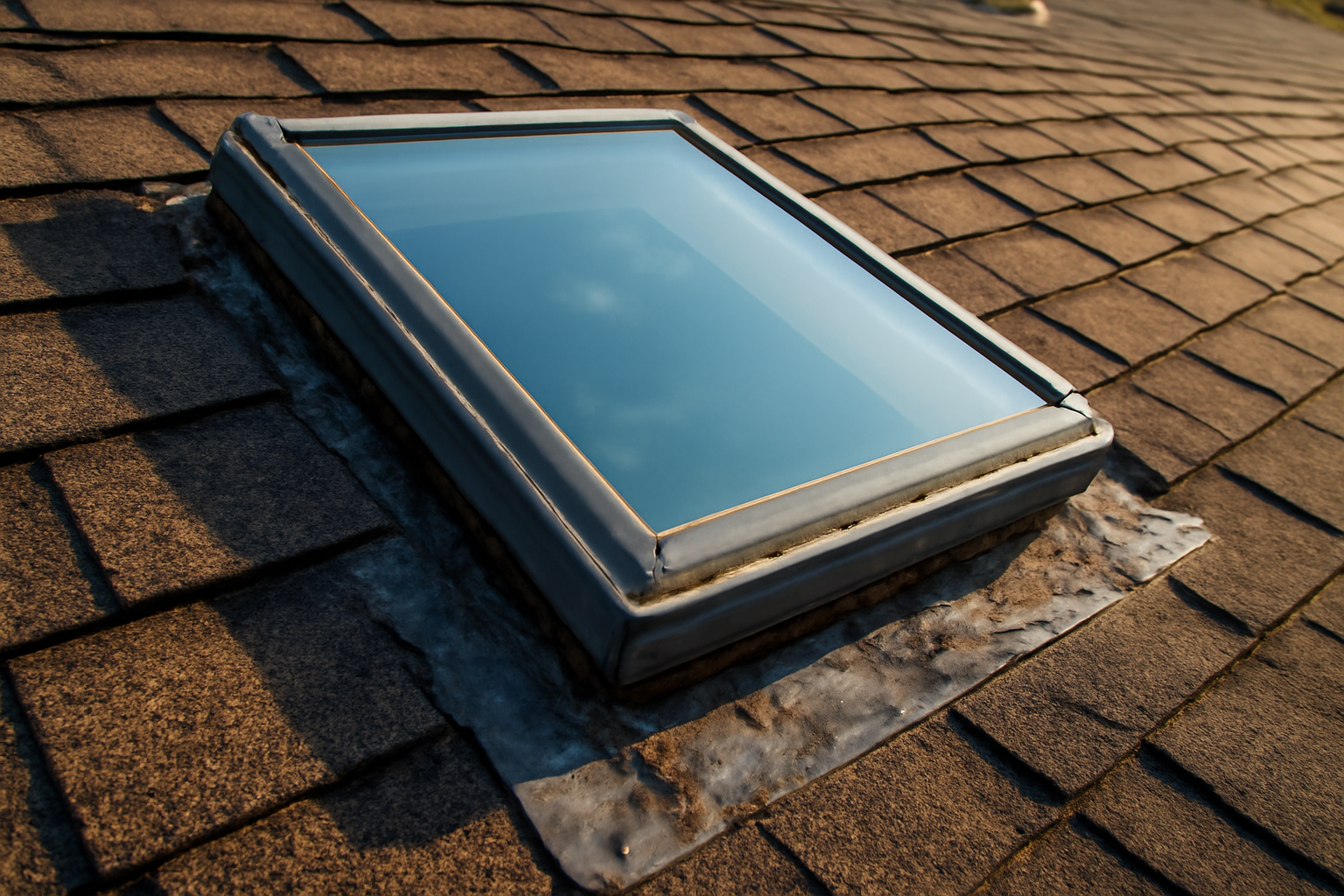
You notice a water stain spreading across the ceiling near your skylight. Your first instinct is probably "the skylight is broken" — but that's the actual cause less than 20% of the time. The real culprit is usually everything around the skylight: the flashing, the curb seal, or even condensation you're mistaking for a leak. San Antonio's combination of intense UV, thermal cycling, and seasonal hail makes skylight assemblies age faster than the rest of your roof. Let's walk through what's really going on and how to handle it.
Why Skylights Leak More Often in San Antonio
Skylights are essentially holes cut into your roof deck, sealed and flashed to keep water out. That seal system has to survive everything your roof does — plus the added stress of a different material (glass or acrylic) expanding and contracting at a different rate than the surrounding shingles and decking.
In the San Antonio and Hill Country climate, three factors accelerate skylight failures:
- Extreme UV exposure. We get 220+ sunny days per year. UV breaks down sealants, caulking, and rubber gaskets faster than in northern climates. A bead of roofing sealant that might last 10 years in Ohio can crack and separate in 4-5 years here.
- Thermal cycling. Roof surface temperatures in summer can swing 80°F+ between dawn and peak afternoon. That repeated expansion and contraction loosens flashing and works fasteners free over time.
- Hail impact. Even moderate hail events can crack acrylic domes, chip the seal between glass and frame, or dent step flashing enough to create water channels. If you've had hail damage repair done on your shingles but nobody checked the skylight, you may have a hidden problem.
The 5 Most Common Causes of Skylight Leaks
1. Flashing Failure
This is the number one cause we see on roof inspections. Skylight flashing — the metal pieces that integrate the skylight curb with the surrounding shingles — can corrode, lift, or separate at the corners. When the flashing fails, water follows gravity down the curb and into your attic or ceiling cavity. The leak often shows up several feet away from the skylight itself, which is why homeowners sometimes don't connect the two.
2. Dried-Out or Cracked Sealant
Builders and roofers use sealant (sometimes called caulk or mastic) around the skylight frame and flashing joints. San Antonio sun eats this stuff alive. If your skylight is more than 5-7 years old and nobody has re-sealed it, there's a good chance the sealant has pulled away from the frame or developed hairline cracks that admit water during heavy rain.
3. Condensation (Not Actually a Leak)
This one fools a lot of people. When humid indoor air meets the cooler glass surface of a skylight — especially in winter or during a cold front — condensation forms and drips down. It looks exactly like a roof leak, but the water is coming from inside the house. Clues: it happens when it's not raining, or it worsens when you're running a humidifier, cooking, or showering.
4. Improper Installation
We see this more than we'd like, particularly on homes built during San Antonio's rapid growth periods. Skylights installed without proper step flashing, with incorrect curb height, or with the flashing layered in the wrong order will eventually leak. Sometimes they leak from day one; sometimes it takes a few years of settling and weathering before the problem shows up. If your skylight leaked within the first 2-3 years of installation, installation error is the likely suspect.
5. Cracked Glass or Dome
Direct hail impact, falling tree limbs, or just age-related stress fractures can crack the glazing itself. Acrylic dome skylights are especially vulnerable — they yellow and become brittle after years of UV exposure. A cracked dome is obvious when you climb up and look, but hairline fractures in tempered glass can be nearly invisible from the ground.
How to Diagnose the Source
Before calling anyone, you can narrow things down:
- Check the timing. Does it only leak during rain? That's a roof-side issue (flashing, sealant, or glazing). Does it happen on cold mornings with no rain? That's condensation.
- Look at the attic. If you can safely access your attic space, look at the underside of the skylight shaft during daylight. Water stains, damp insulation, or visible light gaps around the curb tell you where the breach is.
- Check the ceiling stain location. Water travels along rafters and sheathing before it drips. A stain 3 feet from the skylight doesn't mean the leak is 3 feet from the skylight — it usually means water ran along a rafter before dropping.
- Note recent weather events. If the leak started after a hailstorm, there's a strong chance the skylight or its flashing took impact damage. That's potentially an insurance claim situation.
Repair vs. Replace: What Makes Sense
Not every skylight leak requires a full replacement. Here's a rough decision framework:
- Re-seal and re-flash (repair). If the skylight itself is in good condition — no cracks, no yellowing, seals intact on the glass — and the issue is flashing or exterior sealant, a targeted roof repair is usually sufficient. Typical cost in San Antonio runs $300-$800 depending on accessibility and how much flashing needs to be redone.
- Replace the skylight unit. If the dome is cracked, the frame is corroded, or the unit is more than 15-20 years old, replacement is the smarter long-term play. Modern skylights from Velux or similar manufacturers have dramatically better seals, low-E coatings, and integrated flashing kits. Replacement typically runs $800-$2,500 installed, depending on size and type.
- Replace during a roof replacement. If you're already getting a roof replacement, that's the ideal time to swap out an aging skylight. The roofer is already stripping the area, the flashing integration is cleaner, and you avoid paying for a separate service call later.
One thing we tell every homeowner: don't let someone just slather more caulk over failing flashing and call it a repair. That's a band-aid. If the flashing is the problem, the flashing needs to be properly removed and reinstalled with correct layering. Caulk is a supplement to good flashing — never a substitute for it.
Preventing Future Skylight Leaks
A few maintenance habits go a long way:
- Annual inspection. Have your skylight checked as part of a yearly roof inspection. Catching dried sealant or lifted flashing early is a $200 fix instead of a $2,000 problem.
- Keep debris clear. Leaves and debris that pile up on the uphill side of a skylight curb hold moisture against the flashing and accelerate corrosion.
- Address condensation at the source. If condensation is your issue, improve attic ventilation, use bathroom exhaust fans, and consider a dehumidifier. The skylight isn't the problem — your indoor humidity is.
- Post-storm checks. After any significant hail event in the San Antonio area — and we get them regularly from spring through fall — get your skylight inspected along with the rest of your roof.
Skylight leaking? Let's find the real cause.
Wannamaker Roofing offers a free roof inspection that includes a thorough check of all skylight assemblies, flashing, and sealant. We'll tell you exactly what's going on and whether you need a repair, a replacement, or nothing at all. We serve homeowners across San Antonio, Stone Oak, Boerne, New Braunfels, and surrounding Hill Country communities.