Signs Your Roof Underlayment Has Failed | Wannamaker
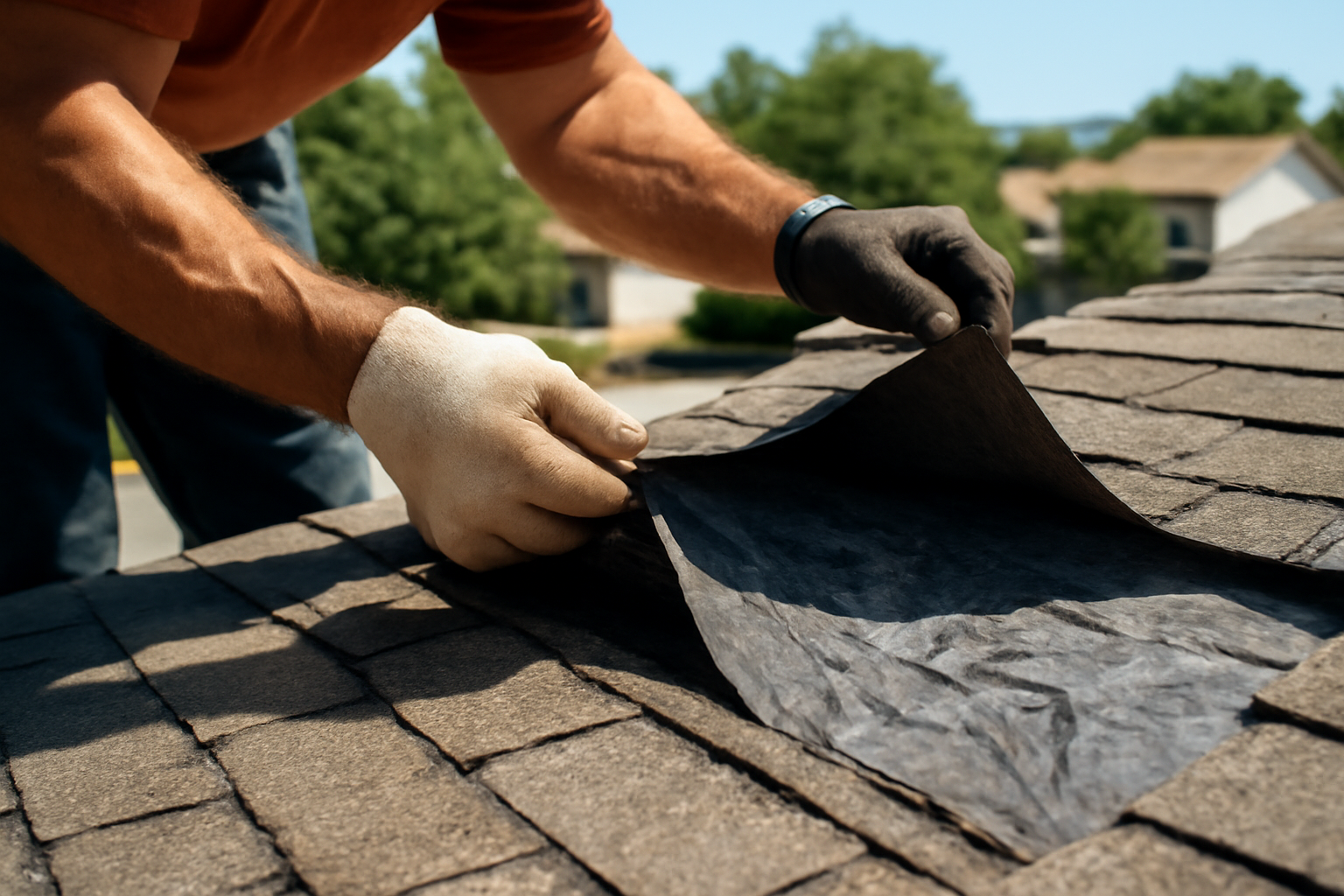
Most homeowners never think about roof underlayment. It's hidden beneath the shingles, out of sight and out of mind—until water starts showing up where it shouldn't. The underlayment is your roof's second line of defense, and in San Antonio's brutal heat-and-storm cycle, it takes a beating. When it fails, you don't always get an obvious warning. You get a slow, quiet leak that rots decking, grows mold, and costs thousands more than an early catch would have.
What Roof Underlayment Actually Does
Think of underlayment as your roof's insurance policy against imperfection. Shingles shed the vast majority of water, but wind-driven rain, ice dams (rare here, but not impossible during freak events), and nail penetrations all create opportunities for moisture to get past the outer layer. Underlayment—whether it's traditional felt, rubberized asphalt (peel-and-stick), or synthetic—sits on top of the roof decking and catches what the shingles miss.
In the San Antonio and Hill Country climate, underlayment faces two specific enemies: extreme UV heat cycling and sudden severe storms. Summer attic temperatures can exceed 150°F, which accelerates the breakdown of organic felt and even some lower-grade synthetics. Then spring hail season arrives and drives water into every micro-gap in the shingle layer. If the underlayment beneath is already compromised, that water goes straight to the decking.
7 Warning Signs of Underlayment Failure
Some of these signs are visible from inside your home. Others require a closer look at the roof itself. Either way, catching them early is the difference between a targeted roof repair and a full roof replacement.
1. Water Stains on Ceilings or Walls—With No Obvious Roof Damage
This is the classic scenario. You check the roof after noticing a brown ring on the ceiling, and the shingles look perfectly fine. The leak is bypassing the shingles entirely because the underlayment beneath has cracked, wrinkled, or delaminated. Water travels along the decking before dripping down, so the stain may appear feet away from the actual failure point.
2. Musty Smell in the Attic
If your attic smells damp or musty—especially during or after rain—moisture is getting trapped somewhere. Failed underlayment allows small amounts of water to wick into the decking without creating a visible drip. Over time, this feeds mold and mildew growth that you'll smell before you see.
3. Sagging or Soft Spots in the Roof Deck
Walk your attic with a flashlight (carefully, on the joists). If you see decking that looks warped, discolored, or feels spongy, moisture has been sitting against the wood for a while. This almost always points to underlayment failure, because intact underlayment would have directed that water to the eave or a drainage point instead of letting it pool.
4. Granule Loss Concentrated Around Penetrations
Pipe boots, vents, and skylights are the highest-risk areas for underlayment failure. If you notice heavy granule loss or shingle deterioration specifically around these penetrations, the underlayment beneath has likely cracked or pulled away from the flashing. These areas need ice-and-water shield (self-adhering membrane), and many older San Antonio roofs were installed with only felt in these zones.
5. Daylight Visible Through the Roof Deck
Go into your attic during the day and turn off all lights. If you see pinpoints of daylight, that means both the shingles and the underlayment have gaps or holes. Even a small amount of visible light means water can follow the same path. This needs immediate professional attention.
6. Curling or Buckling Shingles With No Storm History
When underlayment wrinkles or bunches from heat exposure, it pushes the shingles above it out of position. If your shingles are curling or buckling but are relatively new (under 10 years), the problem may be underneath rather than with the shingles themselves. This is especially common on south- and west-facing slopes in San Antonio, where afternoon sun exposure is relentless.
7. Recurring Leaks After Previous Repairs
If you've had a roofer patch the same area more than once and the leak keeps coming back, the surface-level fix isn't addressing the real issue. The underlayment in that zone has likely deteriorated beyond what a shingle swap can solve. A proper fix means pulling up the shingles, replacing the underlayment section (and possibly the decking), and re-shingling.
Why Underlayment Fails Faster in San Antonio
San Antonio's climate is uniquely hard on roofing materials. The combination of 95°F+ summer days, rapid temperature swings during blue northers, and spring hailstorms creates a cycle of expansion, contraction, and impact that degrades underlayment faster than in milder climates. Roofs in neighborhoods like Stone Oak, Alamo Heights, and out toward Boerne all face the same thermal stress, though homes with more tree coverage tend to see slightly longer underlayment life.
Traditional 15-pound felt paper—still used by some budget contractors—can become brittle and crack in as few as 5-8 years under these conditions. Synthetic underlayment lasts significantly longer, and self-adhering membranes at vulnerable points (valleys, penetrations, eaves) provide the best protection. If your roof was installed with the cheapest underlayment option, it may fail well before the shingles above it show any wear.
What to Do If You Suspect Underlayment Failure
Don't guess. A visual shingle inspection from the ground won't reveal underlayment problems. You need someone to get into the attic, check the decking from below, and potentially lift shingles in suspect areas to inspect the underlayment directly. This is exactly what a thorough roof inspection covers.
- Check your attic first. Look for discoloration, dampness, mold, or soft spots on the underside of the decking. Take photos.
- Document any interior damage. Water stains, peeling paint, and bubbling drywall all help a professional trace the leak path back to its source.
- Don't just patch shingles. If the underlayment has failed, a surface repair is a temporary fix at best. Insist on seeing the underlayment condition before approving any repair scope.
- Check your insurance. If the underlayment failure was caused by a documented storm or hail damage, your homeowner's policy may cover the repair. Carriers like USAA, State Farm, and Allstate all have adjusters familiar with San Antonio storm patterns.
Not Sure What's Going On Under Your Shingles?
Wannamaker Roofing offers a free roof inspection that includes an attic check and underlayment assessment—not just a quick glance from the driveway. We'll show you exactly what's happening beneath the surface and give you honest options, whether that's a targeted repair or a conversation about roof replacement cost. No pressure, no scare tactics—just the facts about your roof.
The Bottom Line
Your shingles are the face of your roof, but the underlayment is the backbone. When it fails, every rainstorm becomes a gamble. The good news is that catching it early—through attic checks, attention to subtle interior signs, and professional inspections—keeps the repair scope manageable. Ignore it, and you're looking at decking replacement, mold remediation, and potentially a full tear-off that could have been avoided. In a climate like San Antonio's, the underlayment deserves as much attention as the shingles sitting on top of it.