How to Prepare Your Home Before Roofers A… | Wannamaker
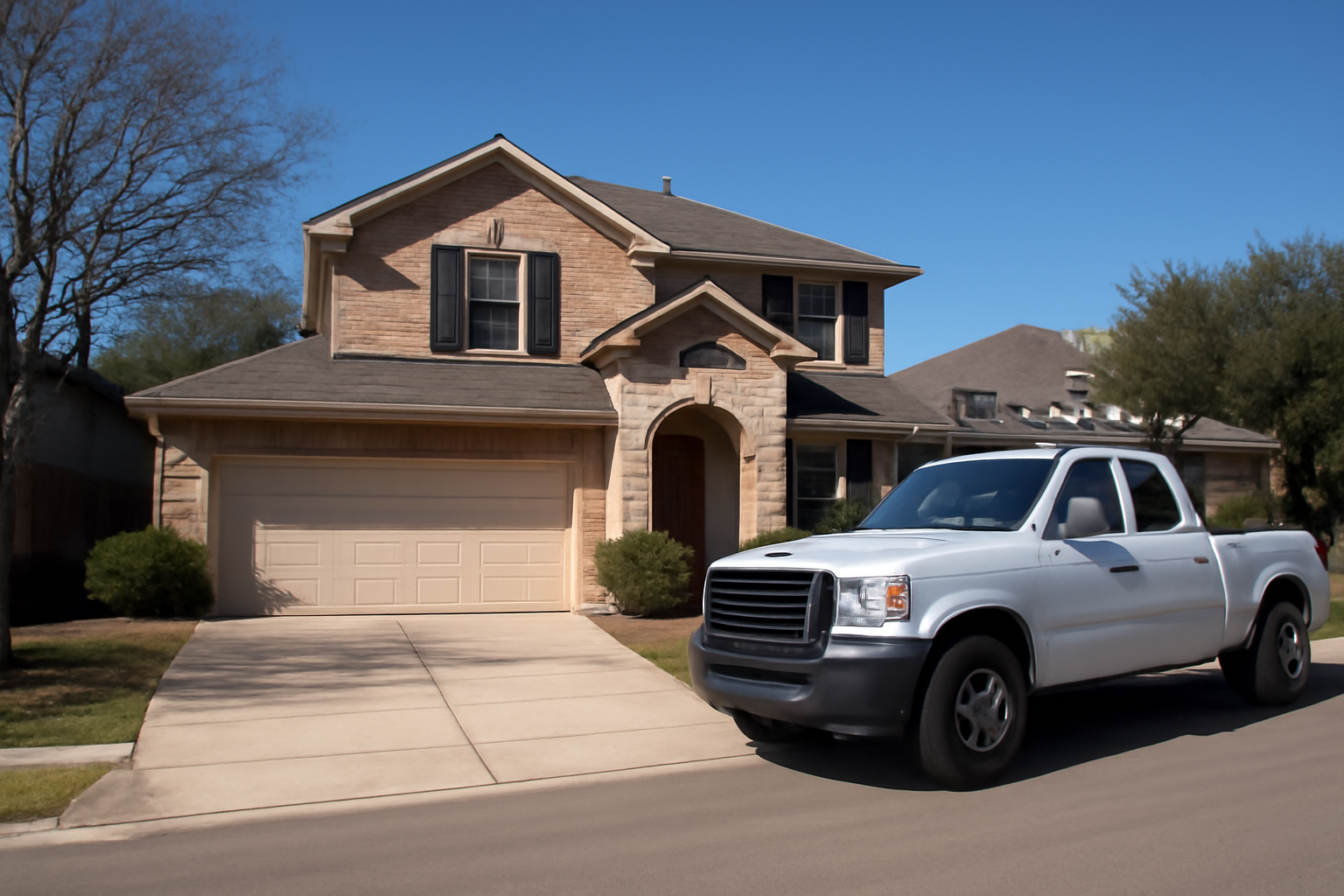
You've signed the contract, picked your shingle color, and your roof replacement is scheduled for next week. Now comes the part most contractors forget to mention: what you need to do before the crew shows up at 7 a.m. A little preparation protects your property, keeps the job on schedule, and eliminates the kind of surprises that cost time and money. Here's the checklist we send every Wannamaker Roofing client before project day.
The Driveway and Street: Give the Crew Room to Work
A roofing crew arrives with a dump trailer, a material delivery truck, and usually three to five work vehicles. That's a lot of metal competing for curb space. The single most helpful thing you can do is clear your driveway completely and, if possible, ask neighbors to leave the curb in front of your house open on project day.
- Move all vehicles. Park cars, trailers, and boats at least two houses down or around the corner. Falling debris — even with tarps — can scratch paint or crack a windshield.
- Open the garage door path. If materials need to stage near the garage, make sure the crew can access it without moving your things.
- Note HOA rules. Some San Antonio HOAs (especially in Stone Oak and Alamo Heights) have rules about trailer parking or work-hour restrictions. Let your project manager know ahead of time so we can plan around them.
Yard and Landscaping: Protect What You've Grown
Roofing is a demolition job first and a construction job second. Old shingles, nails, felt paper, and flashing all come off the roof and land somewhere. We use tarps to catch debris, but anything within about six feet of the house is in the impact zone.
- Move patio furniture, grills, and planters. Relocate them to the far side of the yard or into the garage. Even lightweight items can get damaged by a falling shingle bundle wrapper.
- Trim branches close to the roofline. Overhanging limbs slow the crew down and can interfere with material staging. If branches are within three feet of the eave, trim them back before we arrive — or ask us to include it in the scope.
- Flag sprinkler heads. San Antonio yards are full of in-ground irrigation. Mark heads near the foundation with small flags or tape so the crew doesn't crush them when setting ladders.
- Cover flower beds and fragile plants. A cheap painter's tarp from the hardware store works. We lay our own tarps, but a second layer on prize rose bushes is cheap insurance.
Inside the House: Vibrations Are Real
Tearing off old roofing and nailing new decking creates serious vibration. Think of it like a prolonged, low-grade earthquake localized to your ceiling. That means a few interior precautions are worth the five minutes they take.
- Remove wall hangings in upper rooms. Framed photos, mirrors, and shelved décor can walk off nails during tear-off. Take them down or at least secure them with museum putty.
- Cover attic belongings. Dust and small debris can sift through the decking during removal. If you store anything valuable in the attic, drape a sheet or tarp over it.
- Expect noise from 7 a.m. to sundown. Most San Antonio roofing crews operate within the city's permitted construction hours (7 a.m.–8 p.m. on weekdays). Plan to be out of the house if noise bothers you, and arrange for pets to be elsewhere — the hammering can stress animals badly.
Pets, Kids, and the Gate Situation
Crews need access to every side of the house. That usually means gates stay open all day. If you have dogs, board them or keep them inside a room away from exterior doors. Kids should stay out of the yard entirely — a roofing job site is no place for bare feet or curious hands.
Unlock all side gates the morning of the job. If you have a padlock, either remove it or give the combination to your project manager. Crews that have to wait for gate access lose 30–45 minutes of productive time, and that can push the job into a second day — which nobody wants.
Satellite Dishes, Antennas, and Rooftop Equipment
Anything mounted on the roof needs attention before tear-off begins. Satellite dishes, antennas, solar panels, and attic fans will be removed and reinstalled (or replaced) as part of the project. Let your project manager know about every rooftop accessory so it's accounted for in the plan.
If you have solar panels, coordinate with your solar provider for removal and reinstallation — that's typically a separate scope and cost. We see this a lot in Boerne and the Hill Country where solar adoption has picked up.
Talk to Your Neighbors
This one's underrated. A quick heads-up to the neighbors on either side — and directly behind you — goes a long way. Let them know the approximate dates, that there will be noise and a dumpster, and that nails may occasionally land in shared spaces despite magnetic sweeps. We do a thorough nail sweep with a rolling magnet after every job, but a courtesy warning keeps relationships intact.
Day-Of Expectations
On project morning, material delivery usually arrives first — often before the crew. Shingle bundles are staged on the roof by a conveyor or boom truck. Then tear-off begins. For a typical San Antonio single-story home, a full roof replacement takes one to two days depending on the roof's complexity and the weather.
You don't need to be home, but we do need a way to reach you by phone in case decisions come up — like unexpected decking rot or a question about a vent location. Keep your phone handy.
Not Sure What Shape Your Roof Is In?
Before you start prepping for a new roof, make sure you actually need one. We offer a free roof inspection that gives you an honest assessment — no pressure, no scare tactics. If your roof has years left, we'll tell you. If it doesn't, we'll walk you through every option and help you plan the prep from day one.
Quick-Reference Prep Checklist
- ☐ Driveway cleared — all vehicles moved away from the house.
- ☐ Yard items relocated — furniture, grills, toys, planters.
- ☐ Sprinkler heads flagged — especially near the foundation.
- ☐ Fragile plants covered — tarps over flower beds.
- ☐ Interior hangings secured — mirrors and frames in upper rooms.
- ☐ Attic items covered — sheets or tarps over stored belongings.
- ☐ Pets and kids planned for — boarded, kenneled, or supervised indoors.
- ☐ Gates unlocked — all sides of the house accessible.
- ☐ Neighbors notified — a quick heads-up on dates and noise.
- ☐ Rooftop accessories noted — dishes, antennas, solar panels communicated to your PM.
Preparation isn't glamorous, but it's the difference between a smooth one-day job and a frustrating two-day ordeal. Do the small stuff now so the crew can focus on what matters — putting a solid roof over your head.