Documenting Storm Damage for Insurance Cl… | Wannamaker
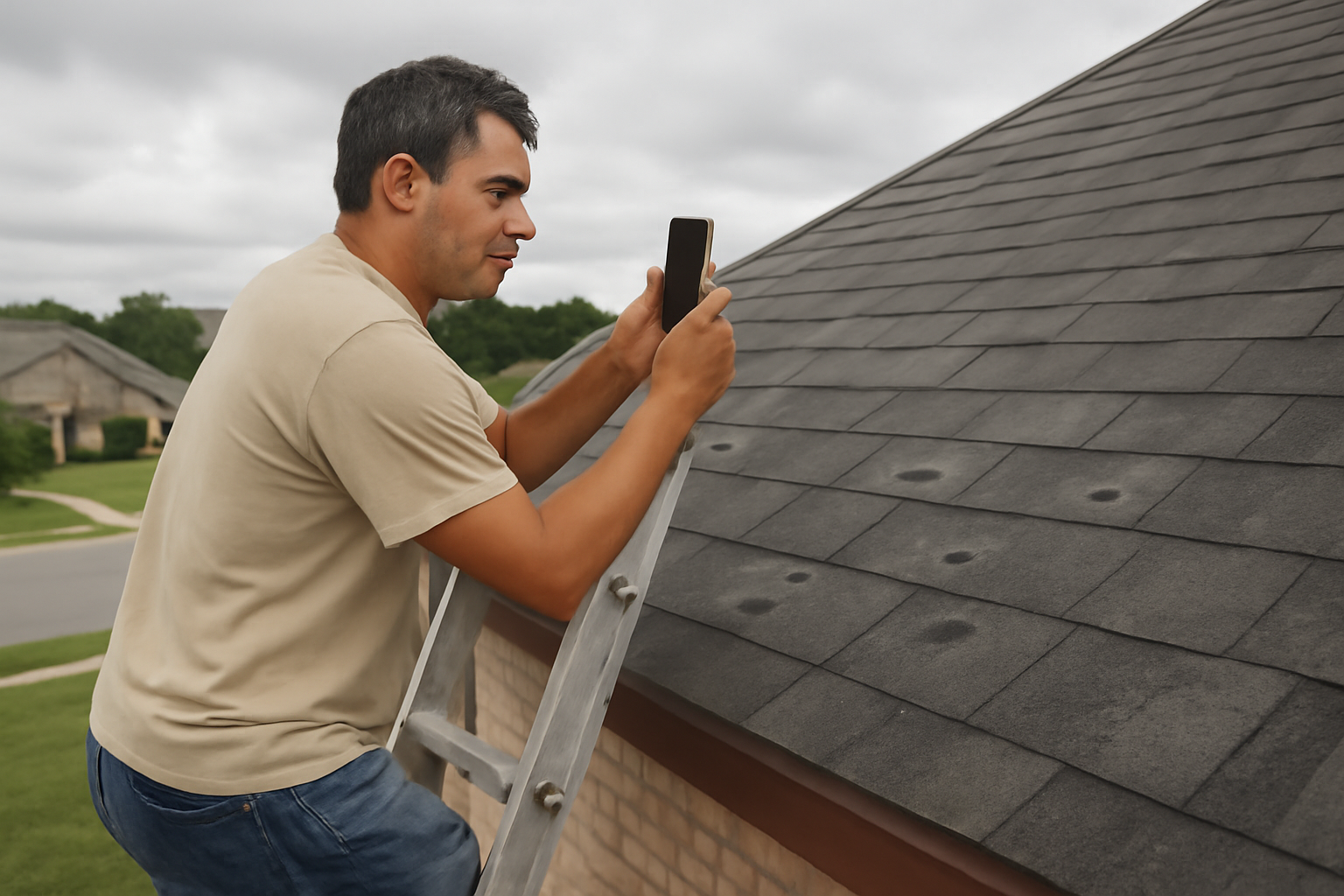
The flash flood warnings that swept through Bexar, Comal, Guadalupe, and Medina counties on May 1st are a sharp reminder — severe weather doesn't schedule itself around your weekend plans. And once the storm passes, most homeowners make the same mistake: they call their insurance company before they've documented anything. That's backwards. Your carrier's adjuster is trained to minimize payouts. Your job is to hand them evidence so thorough that minimizing becomes impossible.
Why Documentation Decides Your Claim — Not Damage Alone
Here's a truth most roofing companies won't tell you: having real damage on your roof is not enough to guarantee a successful claim. Insurance adjusters evaluate claims based on documented evidence tied to a specific weather event. If you can't prove when the damage happened, what caused it, and how extensive it is, you're giving your carrier room to attribute it to normal wear and tear — or deny it outright.
We've seen San Antonio homeowners with legitimate hail craters across every shingle get lowballed because they waited three weeks to take photos, by which point granule loss from foot traffic muddied the evidence. We've also seen homeowners with moderate damage get fully covered because their documentation was airtight from day one.
Step 1: Secure Your Property First
Before you touch a camera, handle immediate safety. If water is entering your home, place buckets, move valuables, and cover exposed areas with tarps. Your homeowner's policy requires you to mitigate further damage — and failing to do so can actually reduce your payout. Keep receipts for any emergency supplies (tarps, buckets, temporary patches). These are typically reimbursable under most policies from carriers like USAA, State Farm, and Allstate that cover San Antonio properties.
If you need emergency tarping or temporary roof repair, get it handled within 24-48 hours. Just make sure you photograph everything before any temporary fixes go on.
Step 2: Photograph and Video — The Right Way
Your smartphone is your most powerful claims tool. But random snapshots of your roof from the backyard won't cut it. Here's the specific documentation protocol that holds up with adjusters:
- Wide establishing shots. Capture each side of your home from the street or yard, showing the full roofline. These orient the adjuster to your property layout.
- Mid-range damage zones. Move closer to show affected sections — a 10-15 foot perspective that shows clusters of hail strikes, lifted shingles, or displaced flashing.
- Close-up detail shots. Get within 2-3 feet of individual damage points. Hail bruises on shingles, cracked tile, dented metal flashing, split pipe boots. Place a coin or pen next to the damage for scale.
- Collateral damage on the ground. Photograph dented gutters, damaged window screens, dings on AC units, and pockmarked car hoods. This corroborates the storm's severity and direction.
- Interior water intrusion. Stains on ceilings, wet insulation in the attic, water trails on walls — all of it. Adjusters need to see the interior consequences.
- Timestamps matter. Keep your phone's location services and date/time stamp active. Some homeowners use apps like CompanyCam or even just the native photo metadata. The point is proving these photos were taken within days of the storm event — not months later.
A short walk-around video narrating what you see adds another layer of credibility. "This is the north-facing slope — you can see hail impact marks every six inches across the ridge cap" is exactly the kind of evidence that moves a claim forward.
Step 3: Get a Professional Inspection Before You File
This step trips up a lot of homeowners. They call their insurance company first, the adjuster comes out, does a 20-minute walkthrough, and writes up a report that undervalues the damage. Now you're fighting uphill.
A better sequence: get an independent free roof inspection from a licensed contractor before filing your claim. A qualified roofer will identify damage that isn't visible from the ground — soft spots from hail impact, compromised underlayment, cracked hip and ridge caps, damaged drip edge. You'll file your claim already knowing the full scope of damage, which puts you in a much stronger negotiating position.
When the adjuster arrives, your contractor can be present to walk the roof with them. This isn't adversarial — it's collaborative. But it ensures nothing gets overlooked or conveniently omitted from the adjuster's report.
Step 4: Preserve the Paper Trail
Documentation isn't just photos. You need a paper trail that connects the storm to your damage to your claim:
- Storm reports. Pull the NOAA storm event database or local NWS reports for your area. The May 1st flash flood warnings across Bexar and surrounding counties, for example, are publicly documented. Save PDFs.
- Your contractor's written assessment. A detailed inspection report with photos, measurements, and material specifications. This becomes your counter-document if the adjuster's estimate comes in low.
- Communication log. Write down every call with your insurance company — date, time, representative name, what was discussed. Follow up phone calls with a summary email to create a written record.
- Receipts for temporary repairs. Every tarp, every bucket, every roll of sealant tape. Photograph the receipts and store digital copies.
Step 5: File Promptly — But Not Blindly
Most Texas homeowner policies require you to file within one year of the damage event, but sooner is always better. File within the first week if possible. However, "promptly" doesn't mean "before you're ready." Having your photos, video, storm reports, and contractor inspection report assembled before you make that first call transforms the process.
When you file, reference the specific storm date and provide your documentation package. If your carrier pushes back or the adjuster's estimate seems low, that's where having a contractor experienced with insurance claims becomes critical. The supplement process — where your contractor submits additional documentation to justify the actual repair cost — is standard practice, not confrontation.
Common Mistakes That Sink San Antonio Claims
After handling hail damage repair and storm damage claims across neighborhoods from Stone Oak to New Braunfels, we see the same avoidable errors:
- Waiting too long to document. Weather continues. Debris shifts. Granules wash away in the next rain. Evidence degrades fast in the Texas climate.
- Signing with a storm chaser before reading the contract. Out-of-town crews that appear after every hailstorm often lock homeowners into contracts with assignment-of-benefits clauses that strip you of control over your own claim.
- Accepting the first adjuster estimate as final. The initial estimate is a starting point, not a verdict. Supplements exist for a reason.
- Throwing away damaged materials. If shingles blow off or tiles crack, keep samples. Physical evidence supports your claim.
Storm hit your area? Don't wait for evidence to disappear.
Wannamaker Roofing provides thorough, documented free roof inspections that give you the evidence you need before you file. We work directly with your insurance carrier through the entire insurance claim process — no pressure, no assignment-of-benefits games. Licensed and local since 2012. Call us or schedule online.
The Bottom Line
Insurance companies aren't charities, and adjusters aren't villains. They're processing claims based on evidence. Your job is to make that evidence undeniable. Photograph everything, get a professional inspection early, keep meticulous records, and work with a local contractor who knows how to navigate the claims process in San Antonio. The storms will keep coming — your preparation is what determines whether you're covered or left holding the bill.